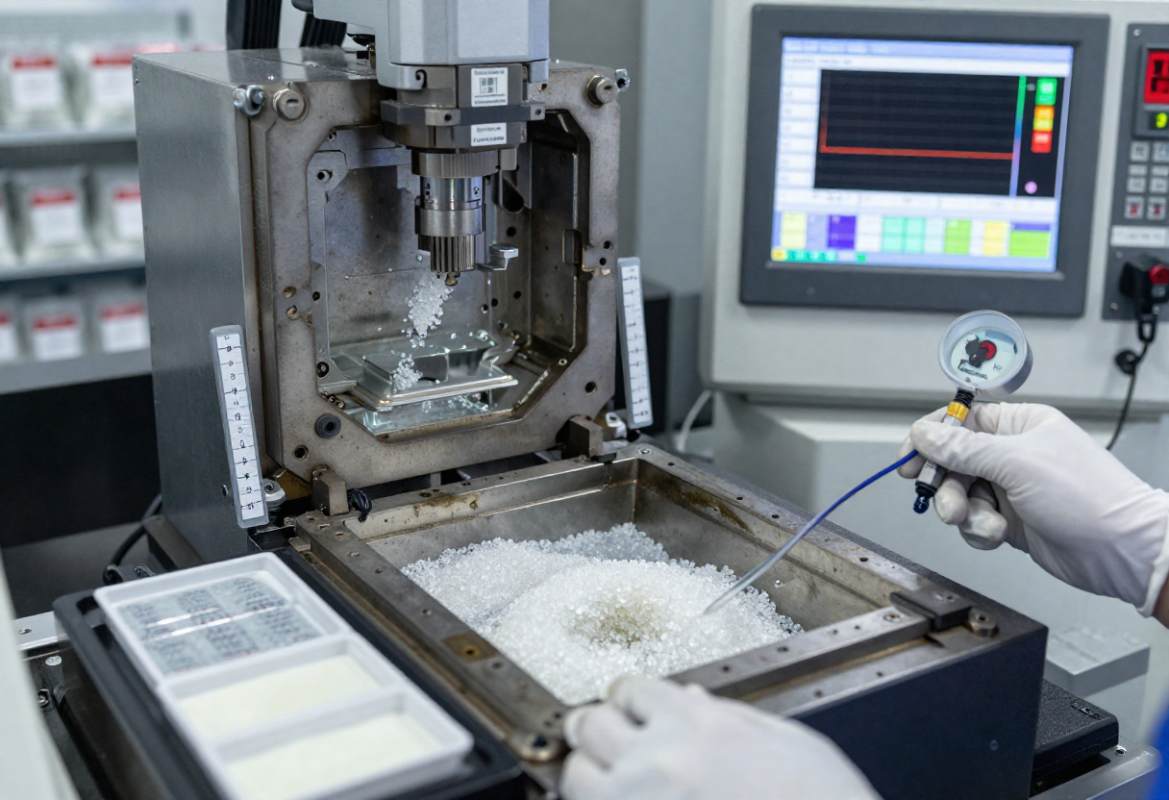
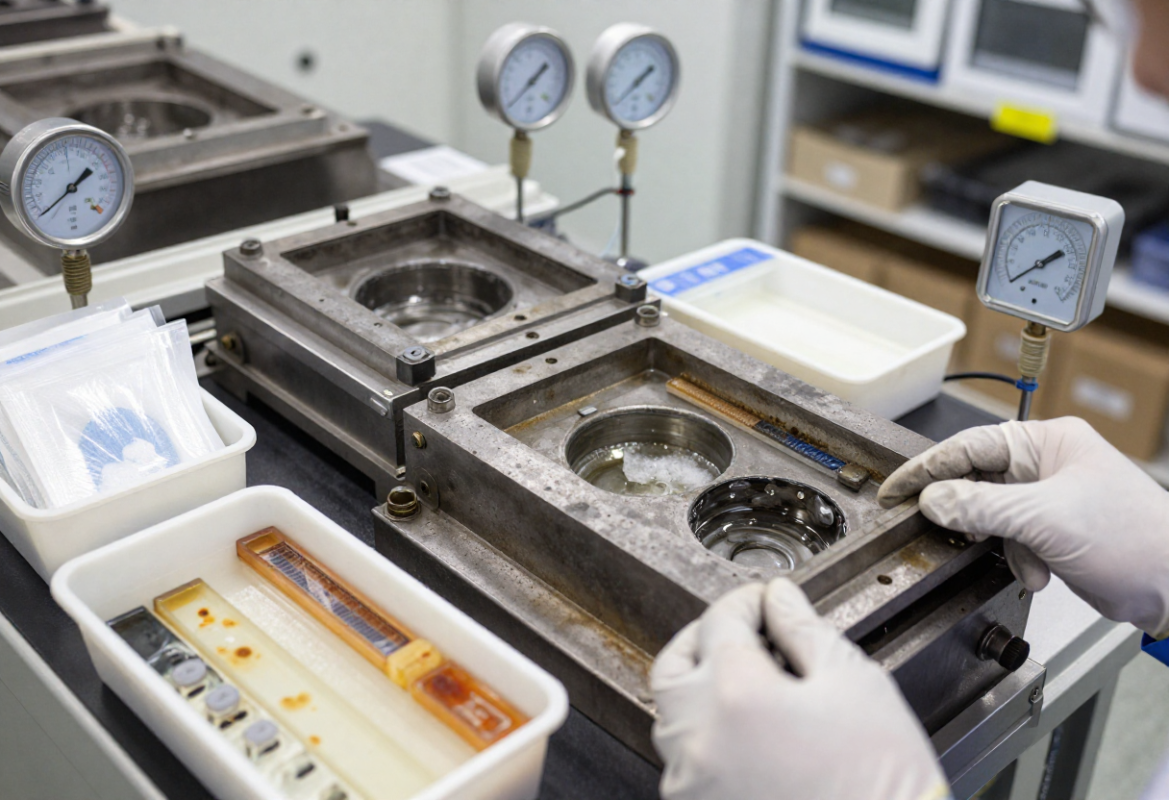
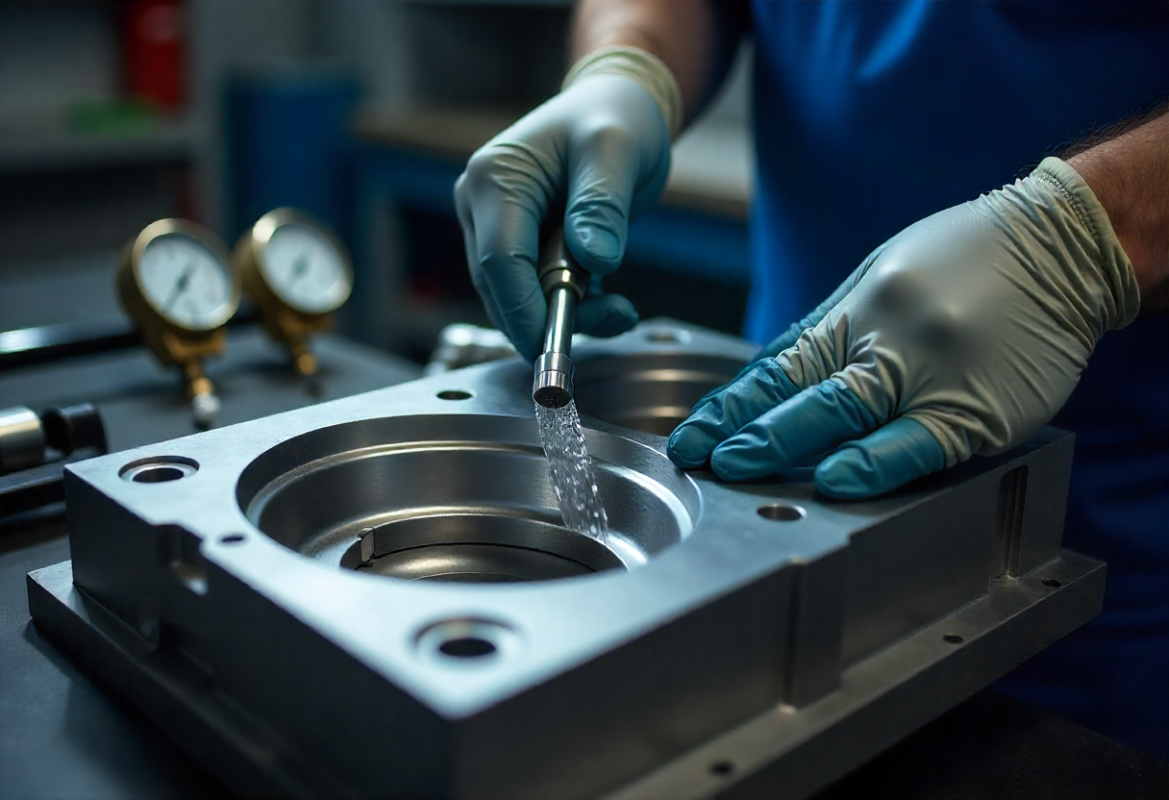

Tooling & Mold Engineering

Mold Life, Maintenance & Repair Support PM, Spares & Rapid Repair

Maximize uptime and protect NPI schedules with structured tool life programs: preventative maintenance (PM), spare insert strategies, scheduled refurbishment, EDM and recoating services, plus prioritized emergency repair lanes and SLA options for critical tooling.

  • Shot‑count based PM, dimensional checks, polish cycles and coolant cleaning
  • Spare cores/inserts, die leasing and shared‑ownership options to reduce CAPEX risk
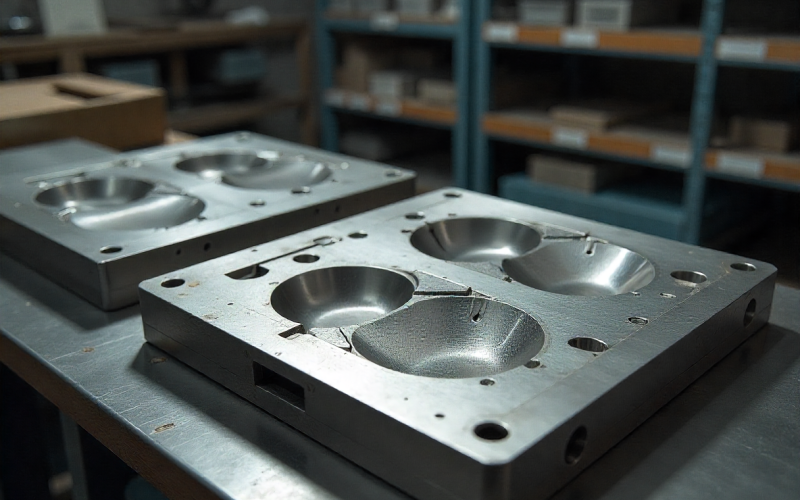
  • EDM rework, insert replacement, recoating and re‑hardening to extend service life

What Determines Mold Life?

Material & Design

Material & Design

Tool steel selection, hardness and heat treatment; use of wear‑resistant alloys or coatings; design complexity (slides, lifters, small cores) and presence of undercuts that accelerate wear.
Process & Product

Process & Product

Polymer abrasiveness (glass/mineral filled compounds), shot weight, cycle time, clamp tonnage and thermal cycling. High melt temperatures and frequent temperature swings reduce tool life.
Environment & Corrosion

Environment & Corrosion

Humidity, salt air, coolant chemistry and handling (storage) influence corrosion and pitting; corrosion accelerates wear and cracks if not controlled.
Maintenance Discipline

Maintenance Discipline

Regular PM (polishing, coolant cleaning, channel flushing, dimensional checks) dramatically prolongs usable life and prevents catastrophic failures.

Preventative Maintenance (PM) Programs

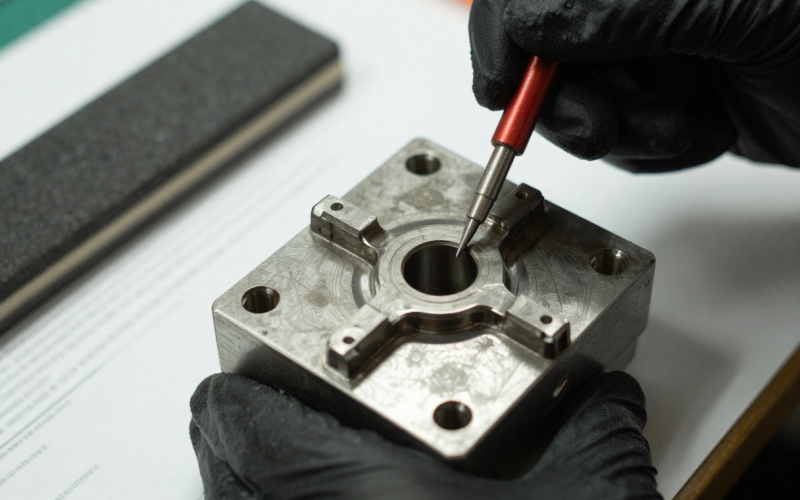
We provide shot‑count or time‑based PM programs tailored to tool type and application. PM reduces unplanned downtime by catching wear early and includes the items below.
task

Standard PM tasks

Visual inspection & parting line checks Polishing and fine‑surface restoration of cavities Coolant channel cleaning and filter replacement Dimensional checks of critical datums (CMM or manual gauges) Slide and ejector inspection, lubrication and slack removal

monitoring

Advanced PM & monitoring

Thermal imaging of molds in operation Shot‑traceability and SPC‑linked maintenance triggers In‑tool sensors (temperature/pressure) and remote monitoring dashboards
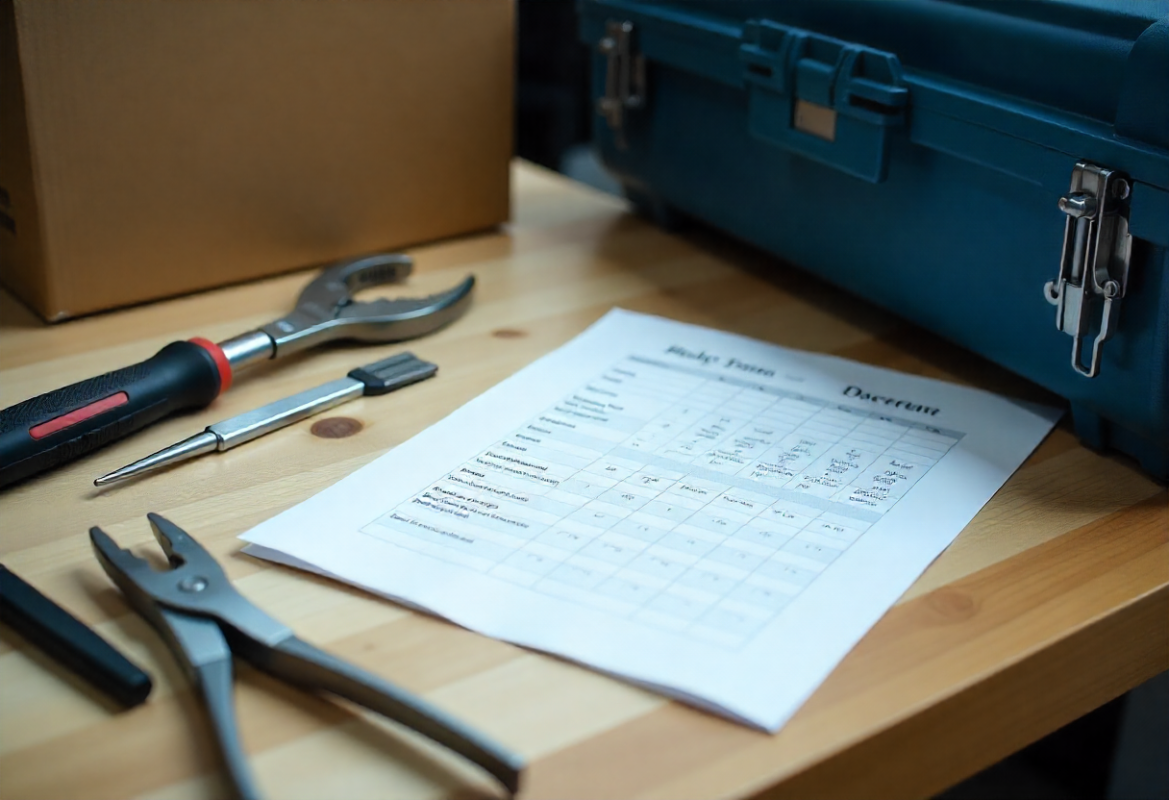
Spare Strategy & Redundancy

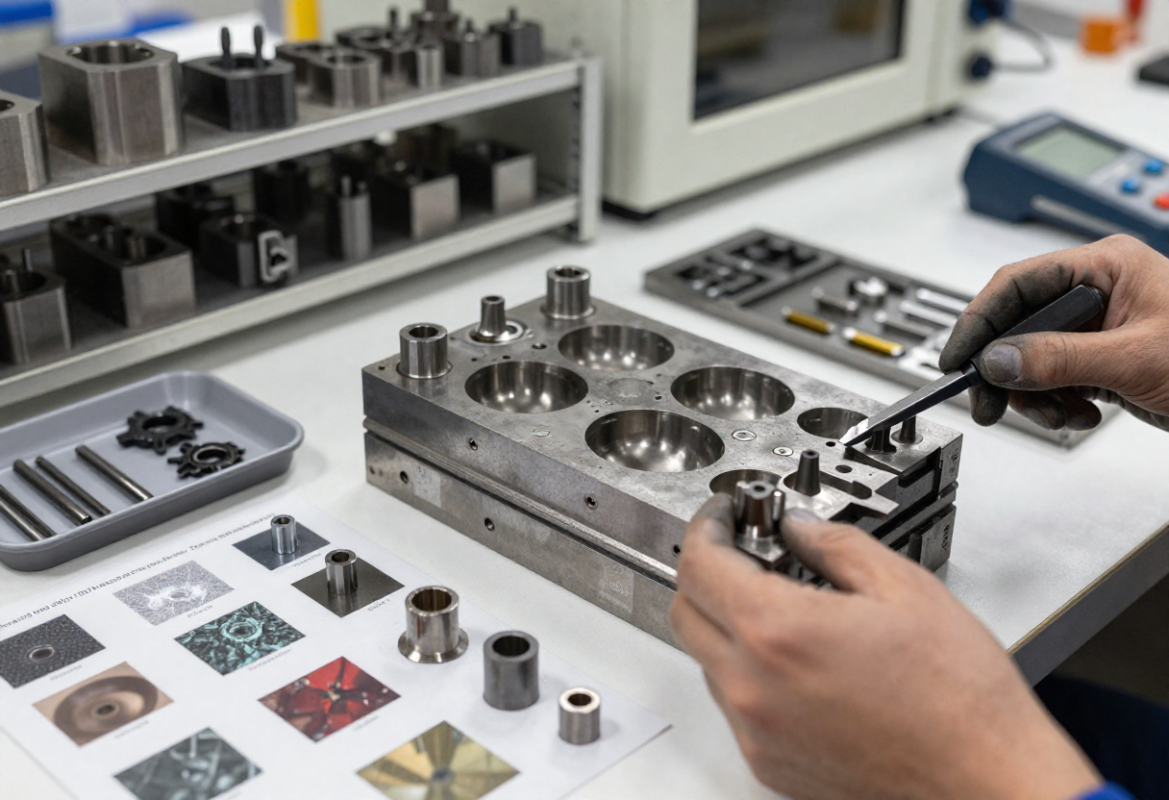
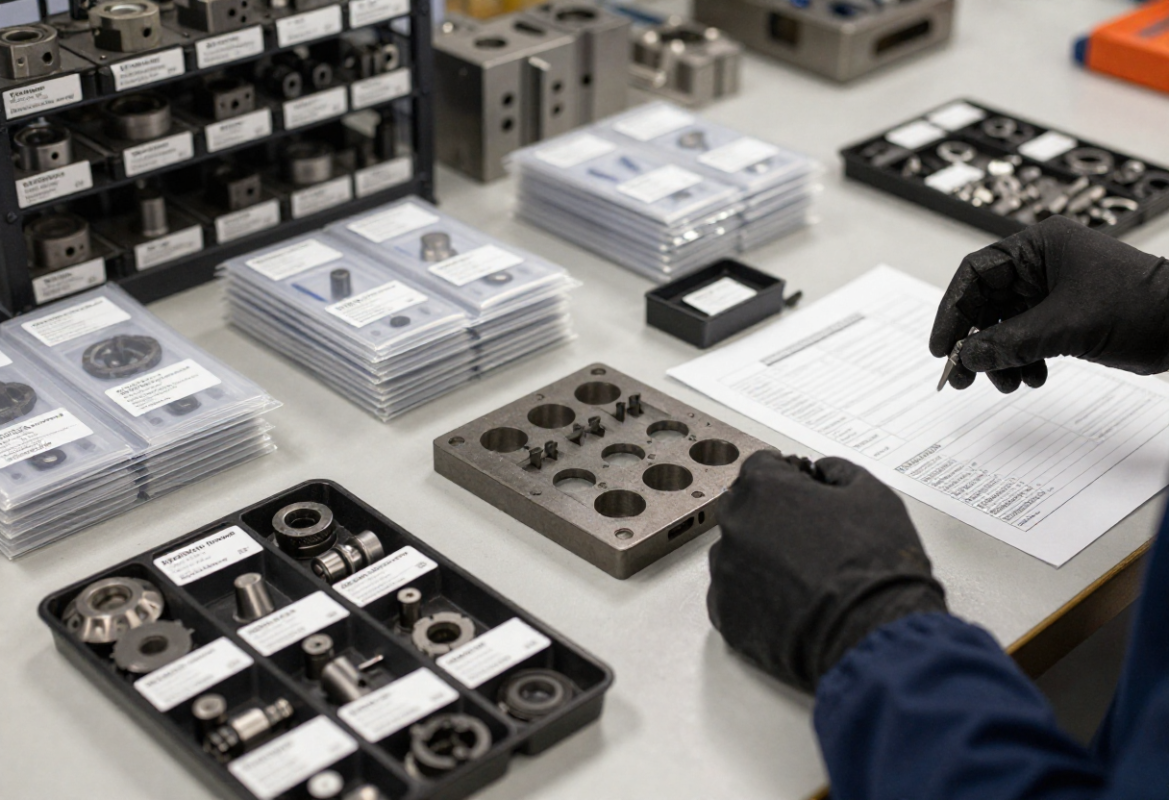
Planned spares for high‑wear components (cores, cavities, slides, return pins) reduce downtime. We offer several ownership models to balance CAPEX and availability:

  • Customer‑owned spare kits shipped to customer sites
  • Tooling warehoused by us with on‑demand dispatch
  • Die leasing / shared ownership to reduce upfront cost

Recommendation: maintain at least one spare insert or core for every critical cavity on high‑volume multi‑cavity tools.

Spare Strategy & Redundancy

Automated Tooling & Robotic Integration

Common repair operations

  • EDM cavity restoration and corrections
  • Weld rebuilds and machining of core defects
  • Replacement of bushings, guide pins, slides and springs
  • Recoating or nitriding of wear zones

Common repair operations

  • Refurbish when core geometry is intact but surfaces or wear items are degraded. Replace when fundamental geometry or core alignment is compromised beyond economical rework.

Emergency Repair Lanes & SLA Options

Emergency Repair Lanes & SLA Options

Critical programs can enroll in prioritized repair lanes with contracted SLAs for response and turnaround. Typical options include:

  • Priority inspection & quoting within 24 hours
  • Emergency EDM / insert fabrication with 48–72 hour turnaround (scope dependent)
  • On‑site technician dispatch for setup and urgent repair
  • Loan tools or spare swap programs during repair

SLA specifics depend on tooling complexity, geographic location and contractual terms — we provide tailored quotes and response matrices.

Tool Monitoring & Digital Records

Digitized maintenance and monitoring reduce guesswork. We provide tool logs and dashboards that link shot counts, parts produced, PM actions, and repair history. Integration with MES/ERP enables predictive maintenance and better decision making.

Shot tracking

Trigger PM by shot count or SPC alarms

Process logs

Store tryout conditions, cycle windows and accepted ranges

Repair history

Full trace to EDM work, inserts replaced and maintenance records

Dashboards

KPIs: MTTR, MTBF, OEE impact and PM adherence

Cost Models, Amortization & Decision Support

We provide cost models comparing repair vs replacement, spare strategy payback, and tooling amortization across volumes. These analyses include expected maintenance spend, downtime costs, and per‑part tooling amortization to guide CAPEX decisions.
Scenario Considerations Outcome
Repair vs replace Extent of damage, EDM hours, insert cost Refurbish if repair cost < 50% replacement and geometry stable
Spare kit Cost of spare vs expected downtime cost Spares justified when downtime cost > spare ownership cost
Die leasing Upfront CAPEX vs monthly fee Leasing reduces up-front capital and transfers maintenance to provider

Representative Projects

Multi‑Cavity Connector Mold Spare Insert Program

Multi‑Cavity Connector Mold Spare Insert Program

Deployed spare inserts and scheduled PM. Swap‑in of spare insert reduced downtime from 3 days to 3 hours, enabling continuous production during EDM refurbishment of the primary insert.
Hardened Die Recoating & Life Extension

Hardened Die Recoating & Life Extension

TiCN recoating and re‑polish restored surface finish and reduced cavity wear rate by 4x, extending tool life and delaying costly replacement for the customer.

Frequently Asked Questions

How often should molds be polished?
Frequency depends on polymer abrasiveness and part finishes — typically every several thousand shots for abrasive materials, but scheduling should be driven by SPC trends in dimensional drift or surface degradation.
At minimum, one spare core/insert per critical cavity; for high‑volume tools consider duplicates for the highest‑wear cavities or slides to enable immediate swap out.
Yes — we perform controlled EDM repair, channel cleaning, and where needed replating/nitriding. Complex AM conformal features require careful handling during repair; we provide feasibility and cost estimates per tool.
Yes — we provide tailored training, PM checklists, tooling handling procedures, and remote support options to help customer teams perform routine maintenance safely and consistently.

Protect Your Tooling & Minimize Downtime

Upload your tooling drawing, current shot counts and process material. We’ll return a PM plan, spare recommendations, and a repair/amortization assessment typically within 24 business hours.

Samples in 1 day, $50-200 fee refunded on 100+ units

Get a Quote in 30 Minutes
We make it fast, easy, and risk-free to get started.
Get Free Quote in 30 Minutes

All uploads are secure and confidential

Samples in 1 day, $50-200 fee refunded on 100+ units
Get a Quote in 30 Minutes
All uploads are secure and confidential.