
Mold Life, Maintenance & Repair Support PM, Spares & Rapid Repair
Maximize uptime and protect NPI schedules with structured tool life programs: preventative maintenance (PM), spare insert strategies, scheduled refurbishment, EDM and recoating services, plus prioritized emergency repair lanes and SLA options for critical tooling.
- Shot‑count based PM, dimensional checks, polish cycles and coolant cleaning
- Spare cores/inserts, die leasing and shared‑ownership options to reduce CAPEX risk
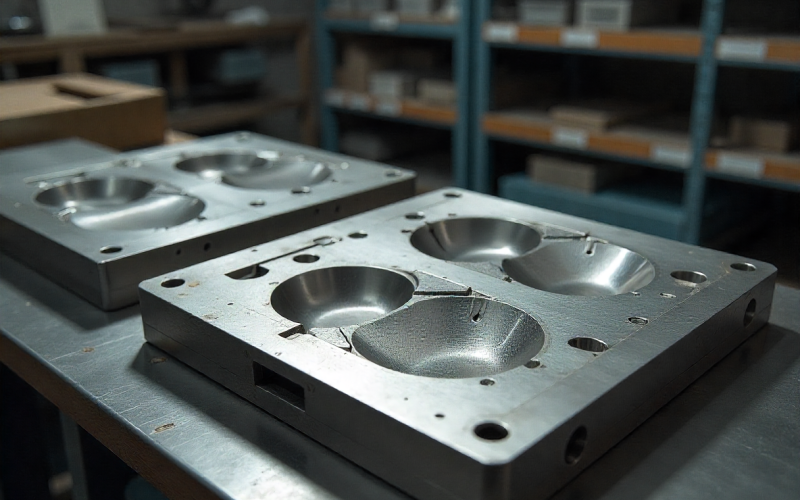
- EDM rework, insert replacement, recoating and re‑hardening to extend service life
What Determines Mold Life?
Material & Design
Process & Product
Environment & Corrosion
Maintenance Discipline
Preventative Maintenance (PM) Programs

Standard PM tasks
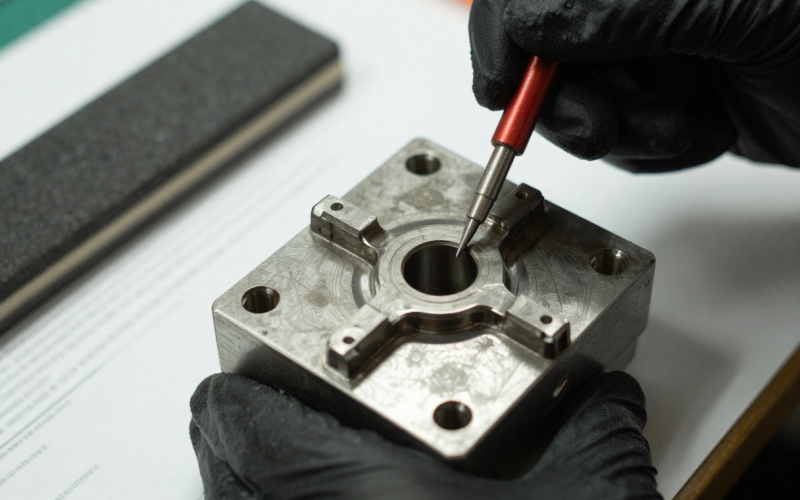
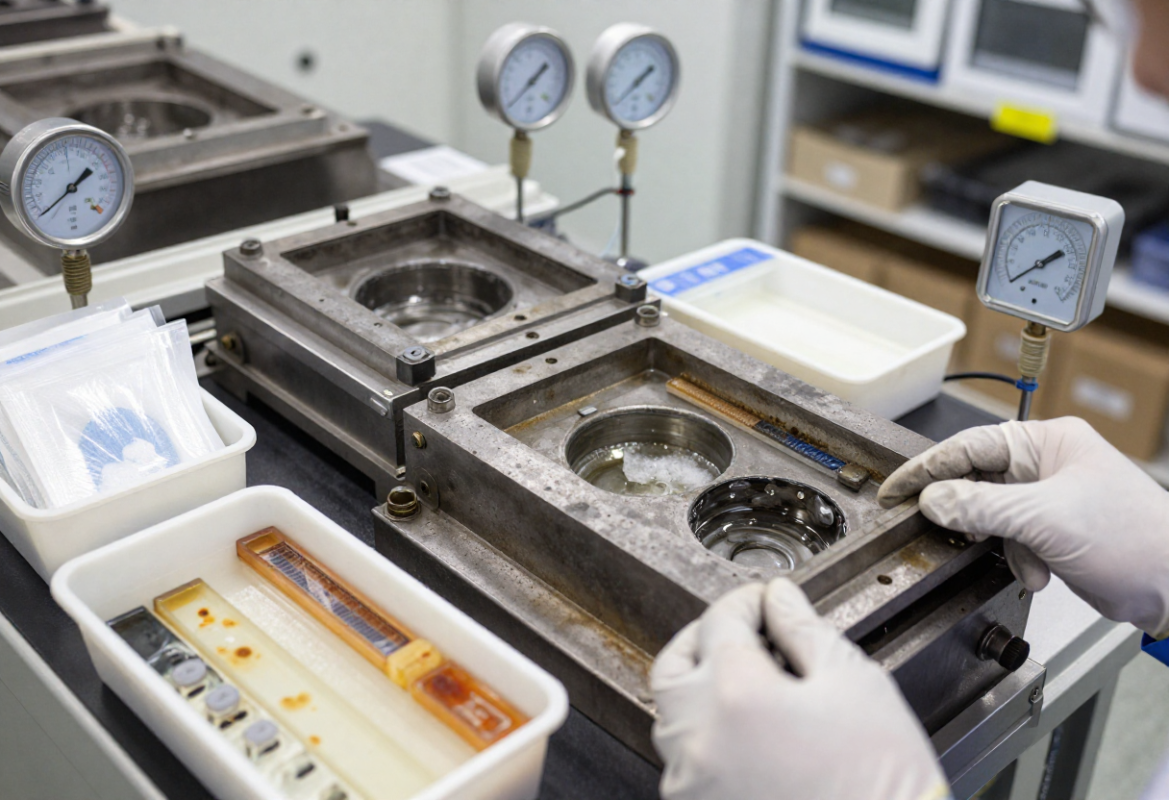
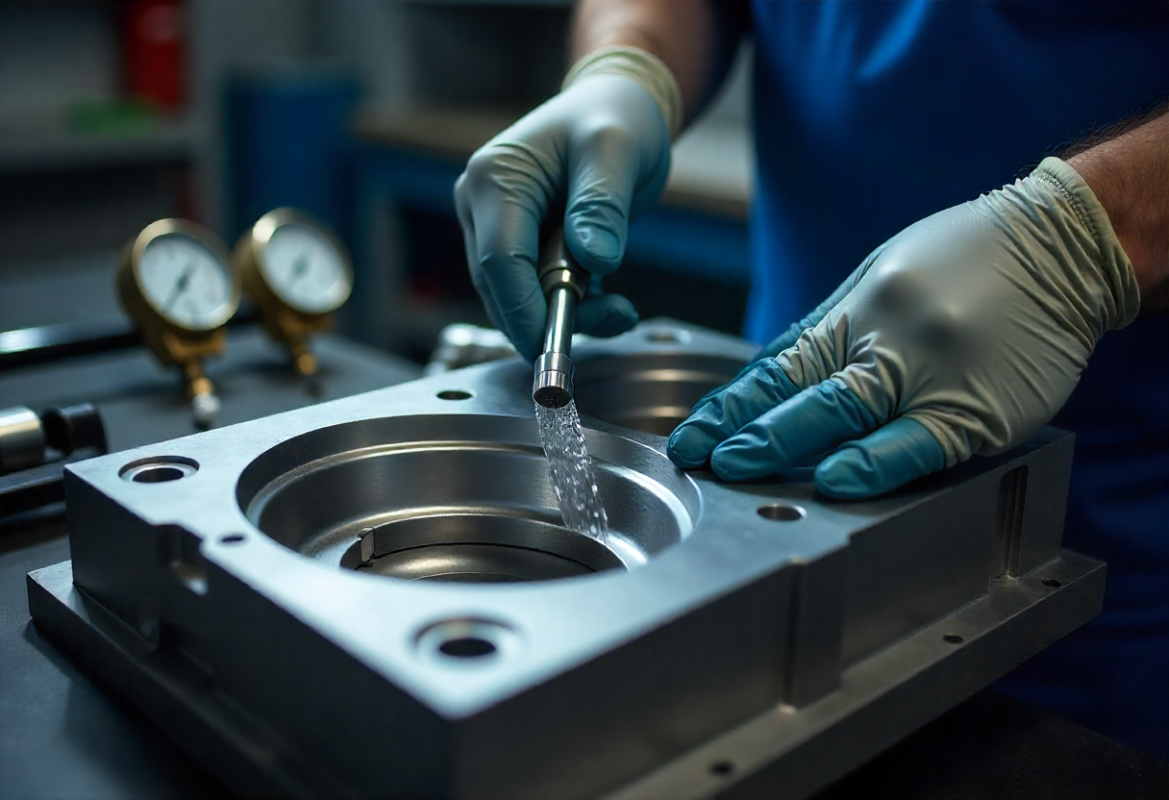
Visual inspection & parting line checks Polishing and fine‑surface restoration of cavities Coolant channel cleaning and filter replacement Dimensional checks of critical datums (CMM or manual gauges) Slide and ejector inspection, lubrication and slack removal

Advanced PM & monitoring
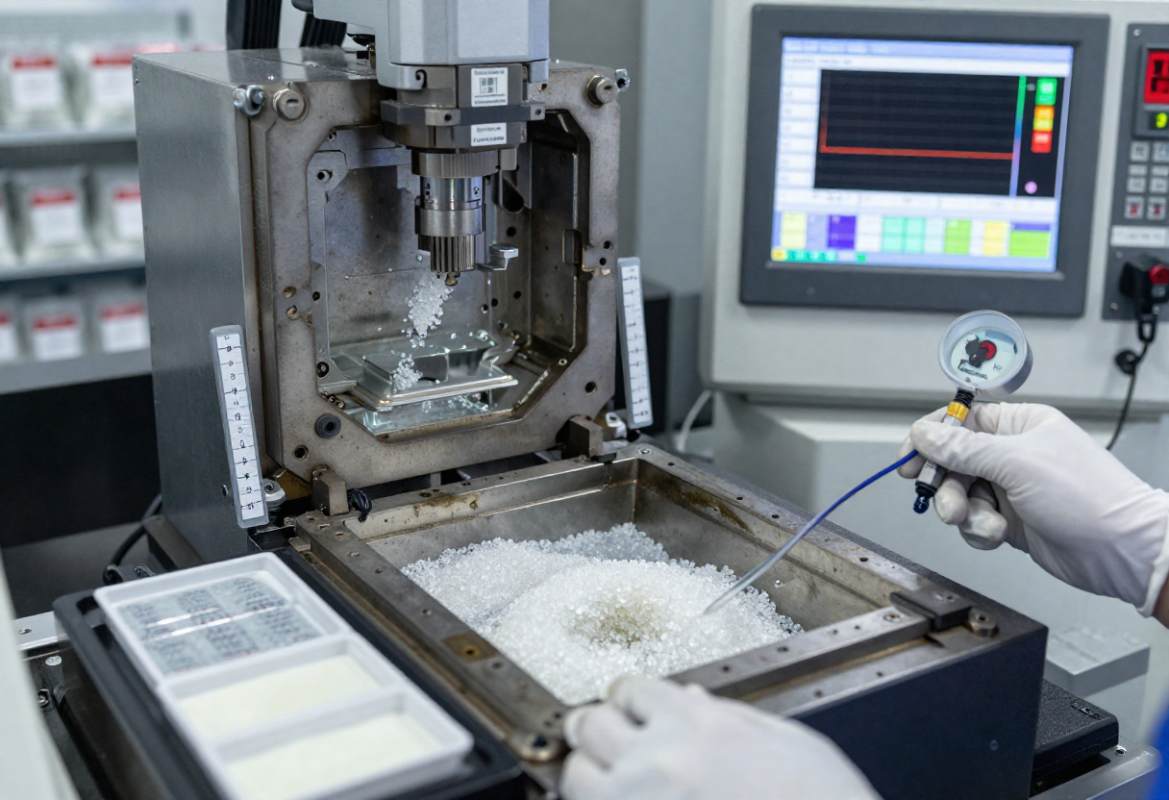
Thermal imaging of molds in operation Shot‑traceability and SPC‑linked maintenance triggers In‑tool sensors (temperature/pressure) and remote monitoring dashboards
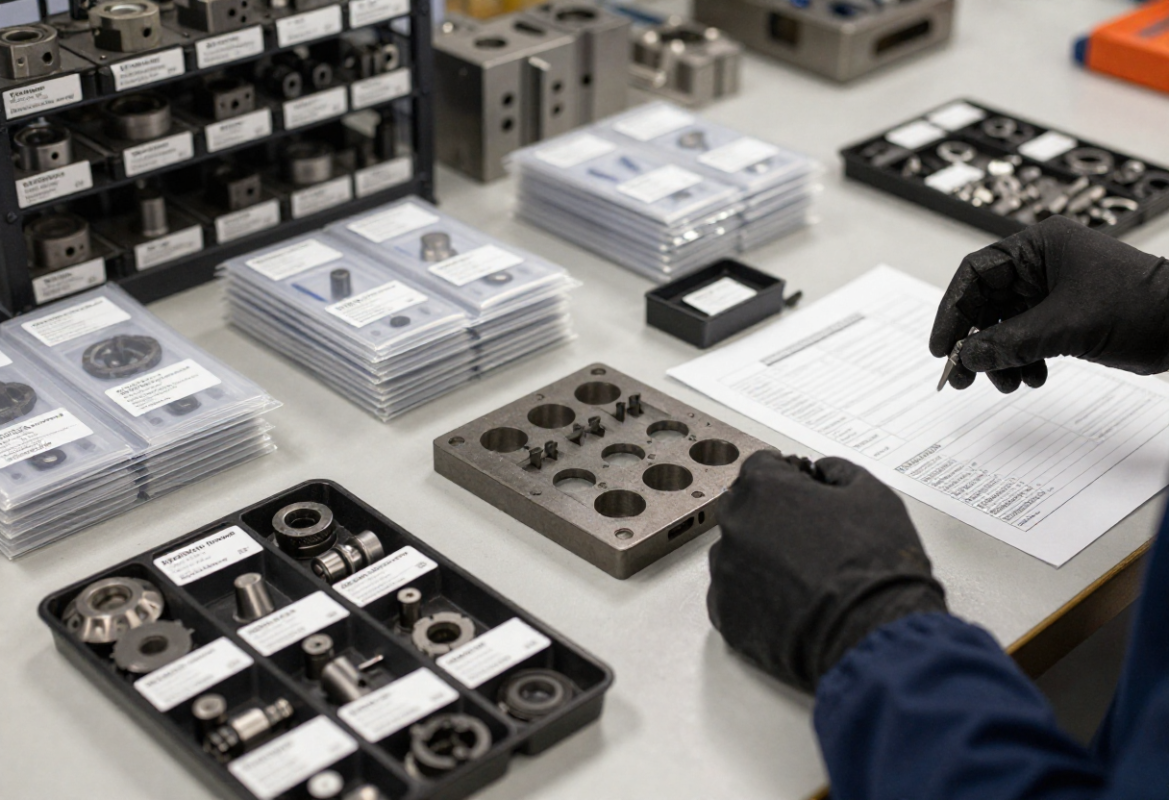
Spare Strategy & Redundancy
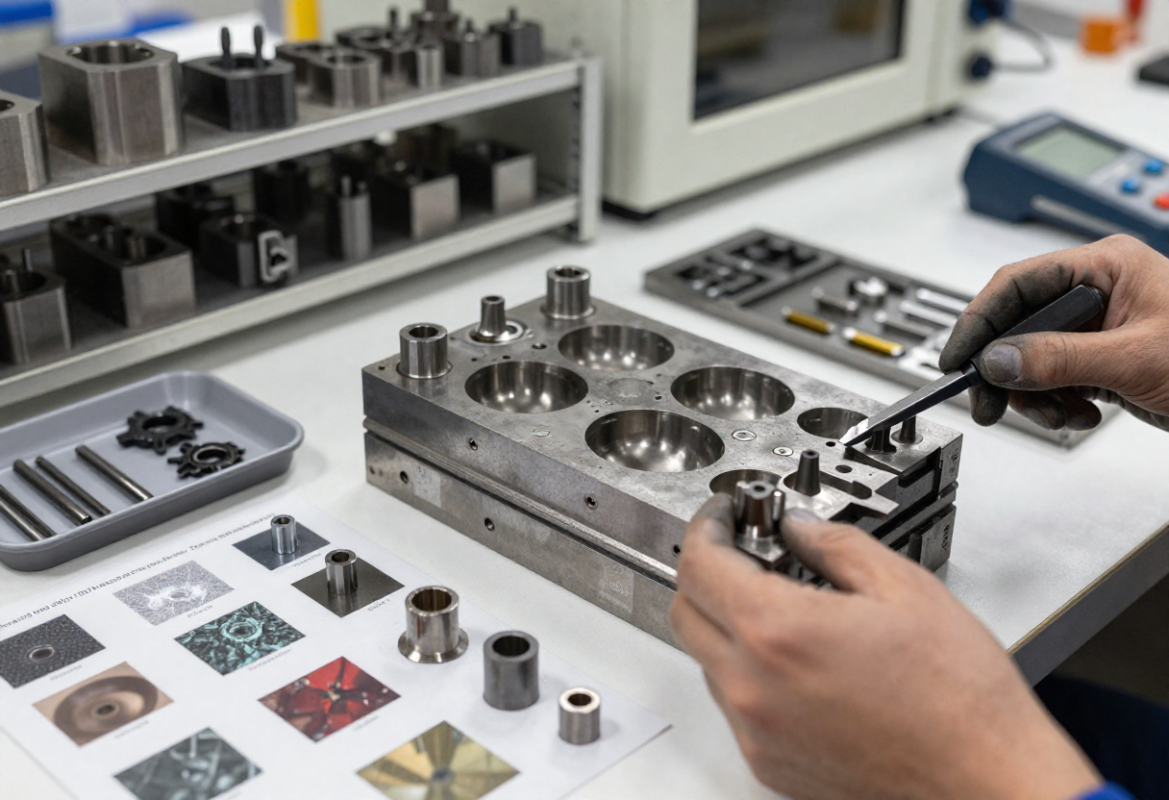
Planned spares for high‑wear components (cores, cavities, slides, return pins) reduce downtime. We offer several ownership models to balance CAPEX and availability:
- Customer‑owned spare kits shipped to customer sites
- Tooling warehoused by us with on‑demand dispatch
- Die leasing / shared ownership to reduce upfront cost
Recommendation: maintain at least one spare insert or core for every critical cavity on high‑volume multi‑cavity tools.
Automated Tooling & Robotic Integration
Common repair operations
- EDM cavity restoration and corrections
- Weld rebuilds and machining of core defects
- Replacement of bushings, guide pins, slides and springs
- Recoating or nitriding of wear zones
Common repair operations
Refurbish when core geometry is intact but surfaces or wear items are degraded. Replace when fundamental geometry or core alignment is compromised beyond economical rework.
Emergency Repair Lanes & SLA Options
Critical programs can enroll in prioritized repair lanes with contracted SLAs for response and turnaround. Typical options include:
- Priority inspection & quoting within 24 hours
- Emergency EDM / insert fabrication with 48–72 hour turnaround (scope dependent)
- On‑site technician dispatch for setup and urgent repair
- Loan tools or spare swap programs during repair
SLA specifics depend on tooling complexity, geographic location and contractual terms — we provide tailored quotes and response matrices.
Tool Monitoring & Digital Records
Shot tracking
Trigger PM by shot count or SPC alarms
Process logs
Store tryout conditions, cycle windows and accepted ranges
Repair history
Full trace to EDM work, inserts replaced and maintenance records
Dashboards
KPIs: MTTR, MTBF, OEE impact and PM adherence
Cost Models, Amortization & Decision Support
| Scenario | Considerations | Outcome |
|---|---|---|
| Repair vs replace | Extent of damage, EDM hours, insert cost | Refurbish if repair cost < 50% replacement and geometry stable |
| Spare kit | Cost of spare vs expected downtime cost | Spares justified when downtime cost > spare ownership cost |
| Die leasing | Upfront CAPEX vs monthly fee | Leasing reduces up-front capital and transfers maintenance to provider |
Representative Projects
Multi‑Cavity Connector Mold Spare Insert Program
Hardened Die Recoating & Life Extension
Frequently Asked Questions
How often should molds be polished?
What are recommended spares for multi‑cavity tools?
Can you refurbish tools with complex conformal cooling channels?
Do you offer training for onsite tool maintenance?
Protect Your Tooling & Minimize Downtime
Upload your tooling drawing, current shot counts and process material. We’ll return a PM plan, spare recommendations, and a repair/amortization assessment typically within 24 business hours.