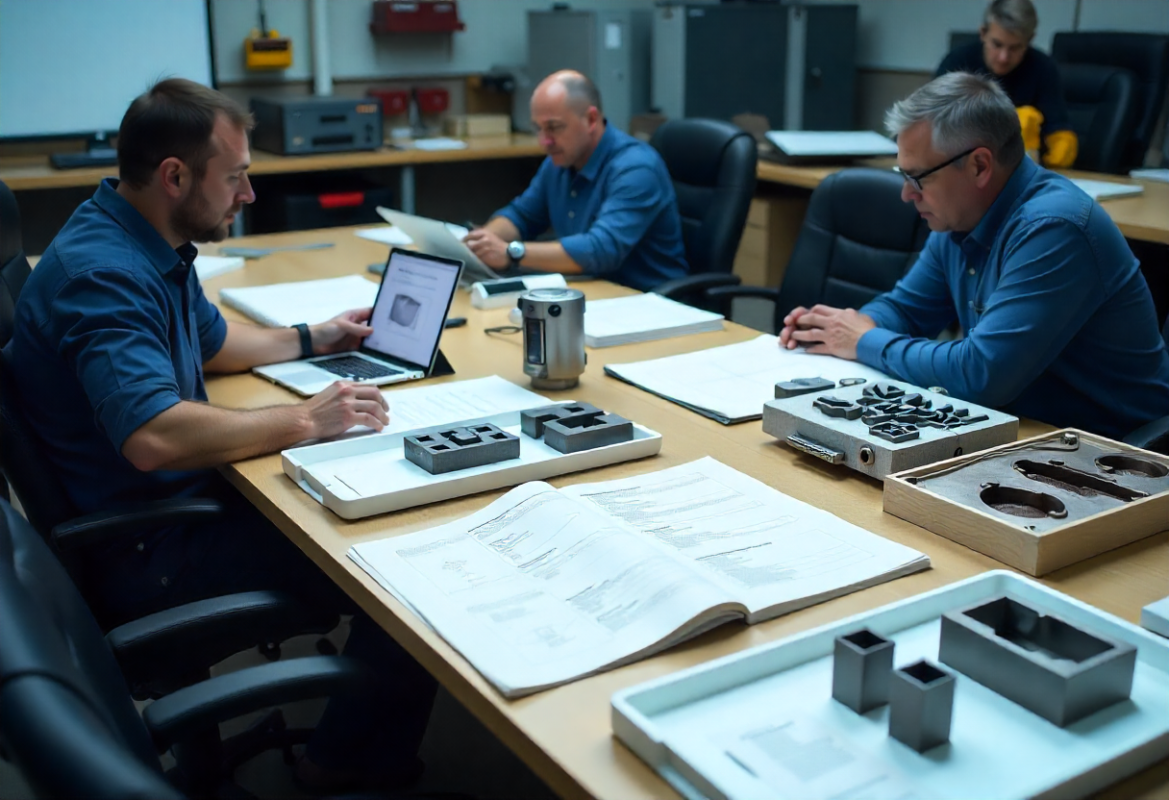

Tooling & Mold Engineering

Tooling Overview From Prototype Dies to Production Molds & Fixtures

Complete tooling capability: prototype & production injection molds, die casting dies, rubber & LSR molds, extrusion dies, progressive stamping tools, casting patterns, and precision jigs & fixtures — engineered for quality, repeatability and long life.

  • End‑to‑end tooling: CAD → CAM → tool build → tryout → validation → lifecycle support
  • Tooling strategies for cost amortization, multi‑cavity optimization and rapid NPI
  • Maintenance, spare components, refurbishment and emergency repair programs

Injection Molds — Prototype & Production

Die Casting Dies — Vacuum & Low Pressure

Progressive Stamping & Progressive Tooling

Tool Types & Where We Use Them

Injection Molds (Prototype & Production)

Injection Molds (Prototype & Production)

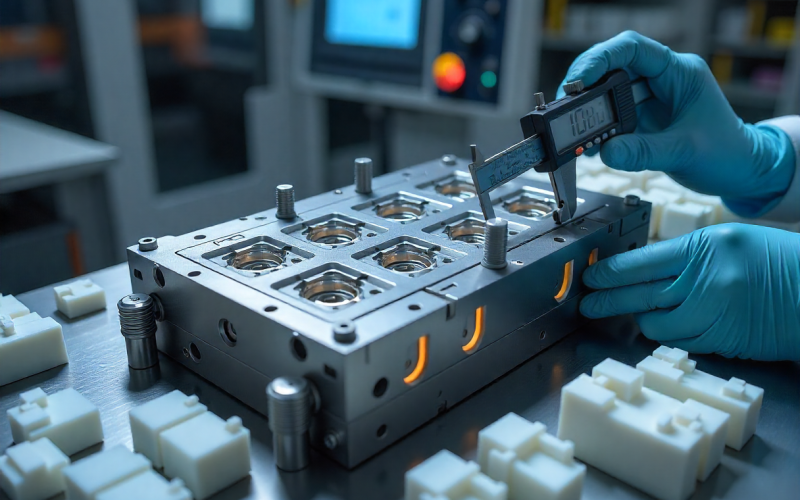
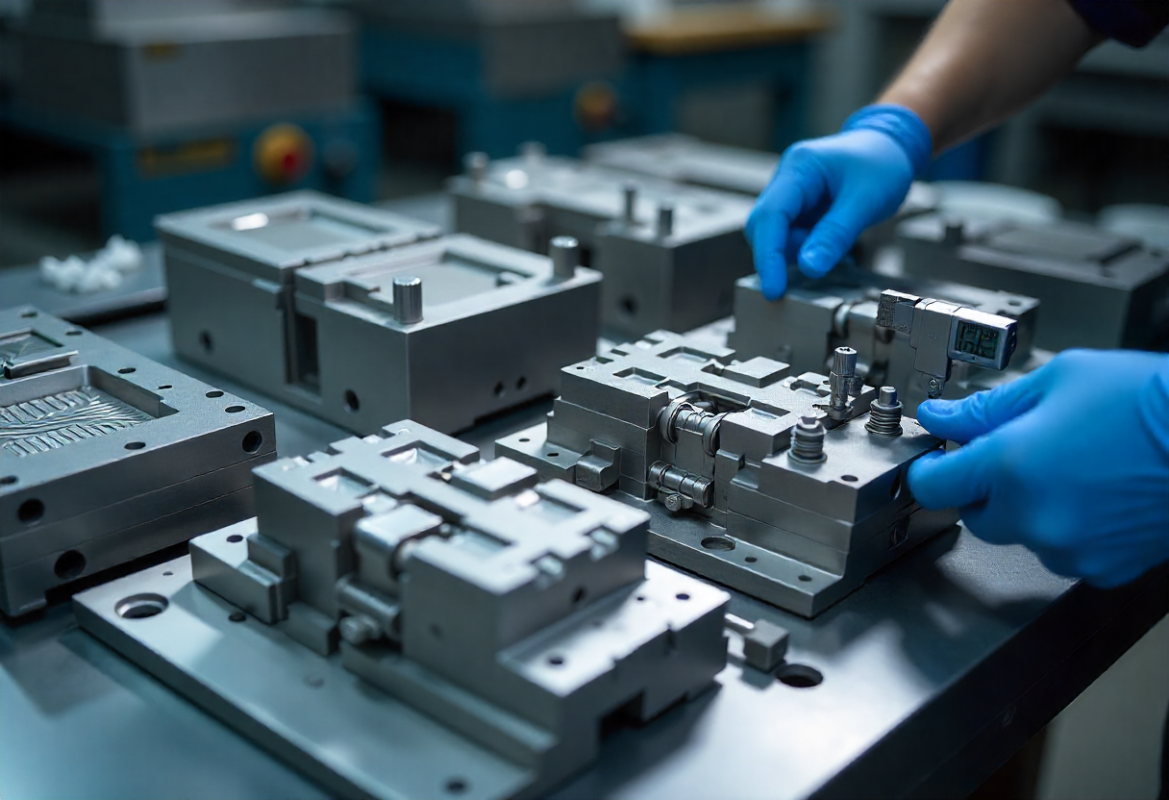
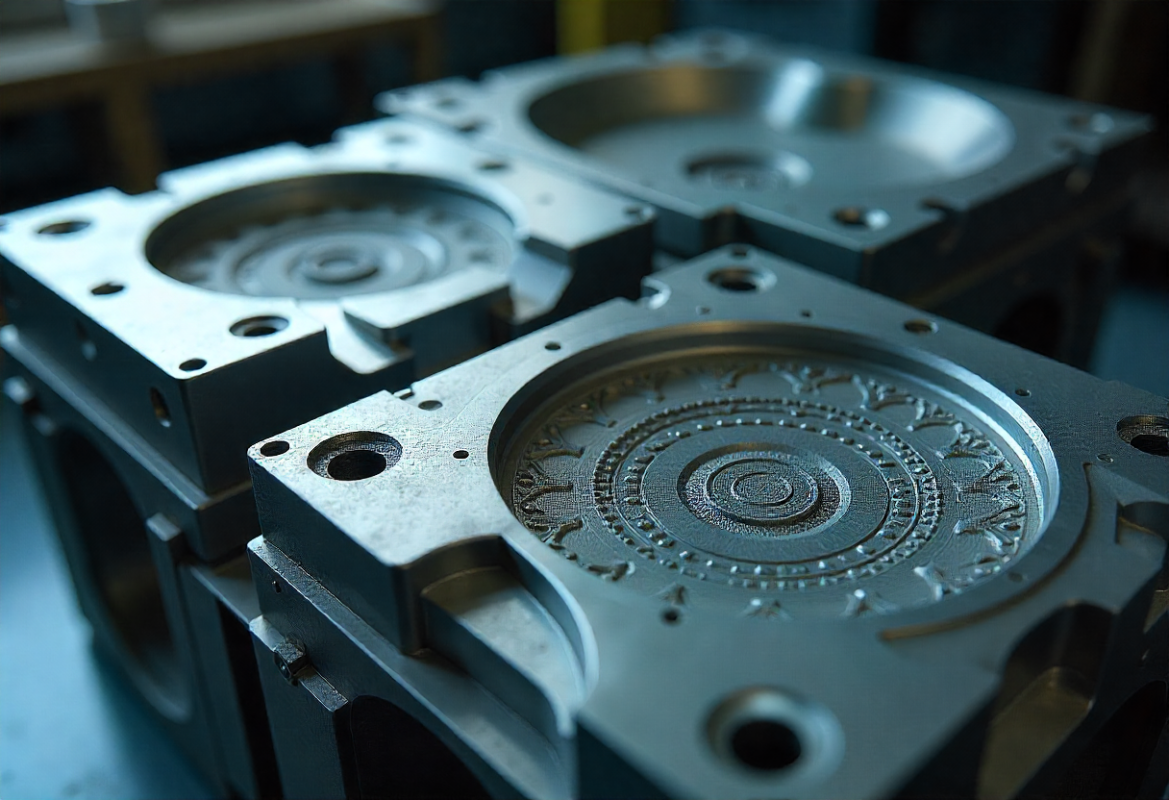
Aluminum prototype molds for quick verification and hardened steel production molds (H13, S7, P20) with hot runner systems, valve gates, multi‑shot and family tooling. We design for cavity cooling, venting and dimensional stability to minimize cycle variation and warp.
Die Casting Dies (Aluminum / Zinc)

Die Casting Dies (Aluminum / Zinc)

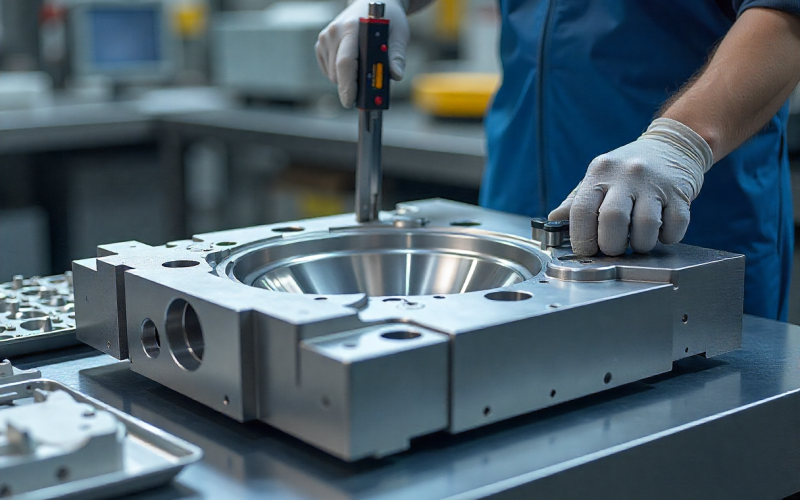
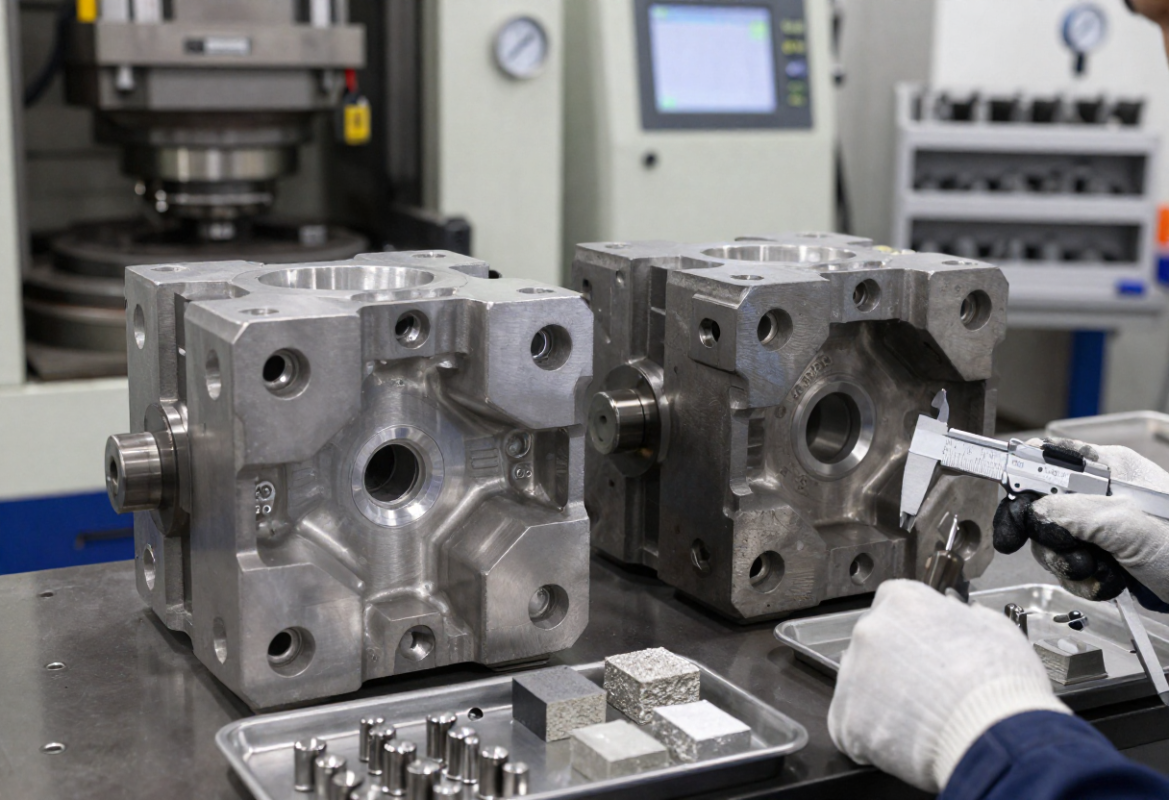
Cold‑chamber dies for aluminum and hot‑chamber dies for zinc. Tooling includes optimized gating, controlled cooling, venting and die life strategies. Vacuum and low‑pressure casting options reduce porosity for pressure‑bearing parts.
Rubber & LSR Molds

Rubber & LSR Molds

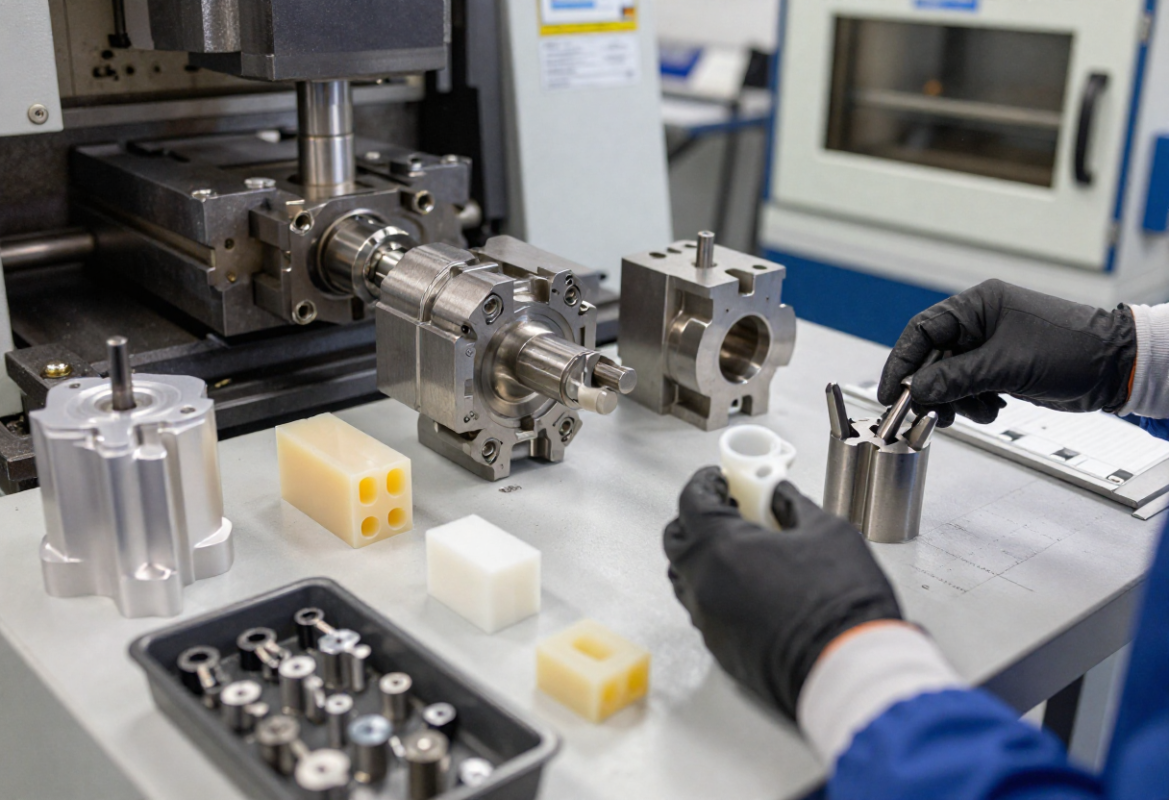
Stainless and hardened tool steels, polished cavities, controlled venting and injection systems for LSR. Tooling configured for shot traceability and integrated post‑cure ovens. Compression and transfer molds for engineered elastomers are supported as well.
Extrusion Dies & Co‑extrusion Tooling

Extrusion Dies & Co‑extrusion Tooling

Custom die design for aluminum profiles and elastomer/silicone profiles. We validate die geometry, mandrel sizing and vacuum/oven settings to control dimensional tolerance and die swell for consistent sections.
Progressive & Transfer Stamping Dies

Progressive & Transfer Stamping Dies

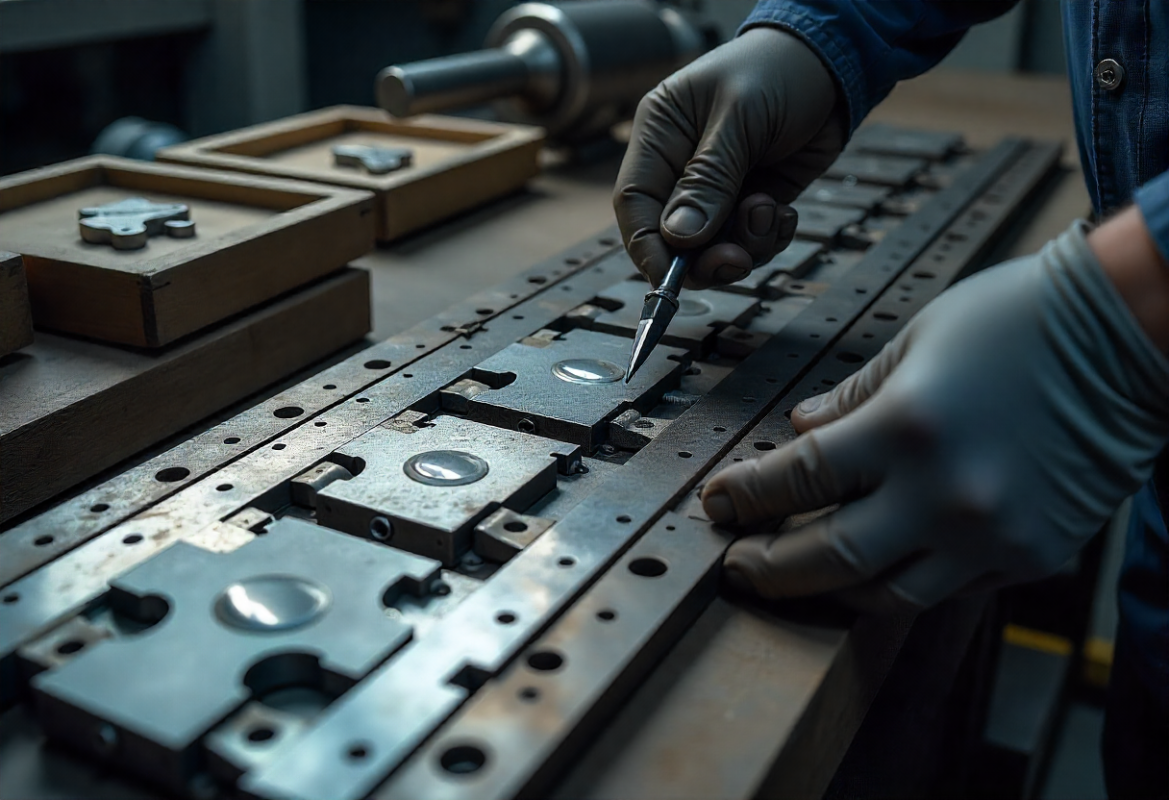
Progressive dies incorporating forming, coining and tapping stations; transfer dies for larger blanks. Tool engineering covers strip optimization, station sequencing and integrated secondary operations to reduce downstream cost.
Casting Patterns & Molds

Casting Patterns & Molds

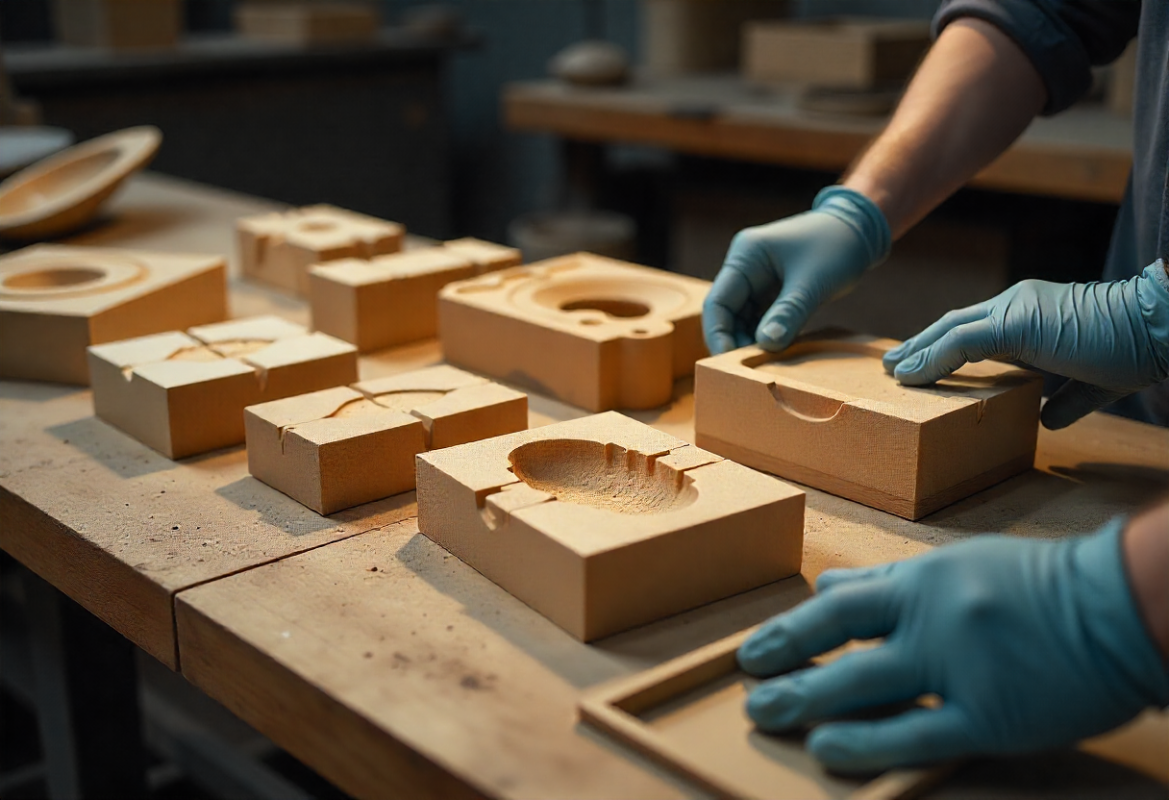
Pattern making (wood, epoxy, 3D printed), investment wax tooling and sand master tooling for sand & gravity castings. Gating and riser analysis optimized for directional solidification and porosity control.

Tool Design & Engineering Process

We follow a structured tooling development process to align cost, performance and launch schedule:

  • Requirement capture — part function, volumes, tolerances, surface and finish expectations
  • DFM & tooling strategy — prototype vs production tooling, cavity count, hot runner, family/family tools
  • Tool design — CAD, cooling, gating, venting, ejector systems, wear surfaces and fixture interfaces
  • CAM & build — EDM, CNC, polishing, hardening and assembly
  • Tryout & validation — first article, process window, cycle optimization and sample approval
  • Lifecycle handover — maintenance schedules, spare parts, tooling drawings and PM plans

Design for Tool Life & Cost

Tool materials, surface treatments, coating (TiCN/TiN), and heat treatment schedules are selected to balance tool life and upfront cost. Multi‑cavity tooling reduces piece cost but increases initial tooling cost — we provide amortization models to help decide the best path.

Tool Design & Engineering Process

Tool Life, Maintenance & Repair Programs

Maintaining tooling health increases uptime and protects production schedules. Our services include planned preventative maintenance (PPM), spare core/cavity management, tool safety inspections, corrosion protection and rapid repair support.
digital-services

Preventative Maintenance

Scheduled inspections, dimensional checks, polish cycles, cooling channel cleaning, and parting line adjustments. We log PM activities and issue tool status reports to customers.
rebuild

Repair & Refurbishment

EDM rework, inserts replacement, resurfacing, re‑polish and re‑hardening. Emergency repair lanes for minimized downtime and rapid turnaround for critical tools in production.

spare-parts

Spare Parts & Redundancy

We recommend spares for critical wear items (cores, inserts, slides) and offer die leasing or shared ownership models to reduce customer CAPEX while protecting production continuity.
Tryout, Validation & Quality Gates

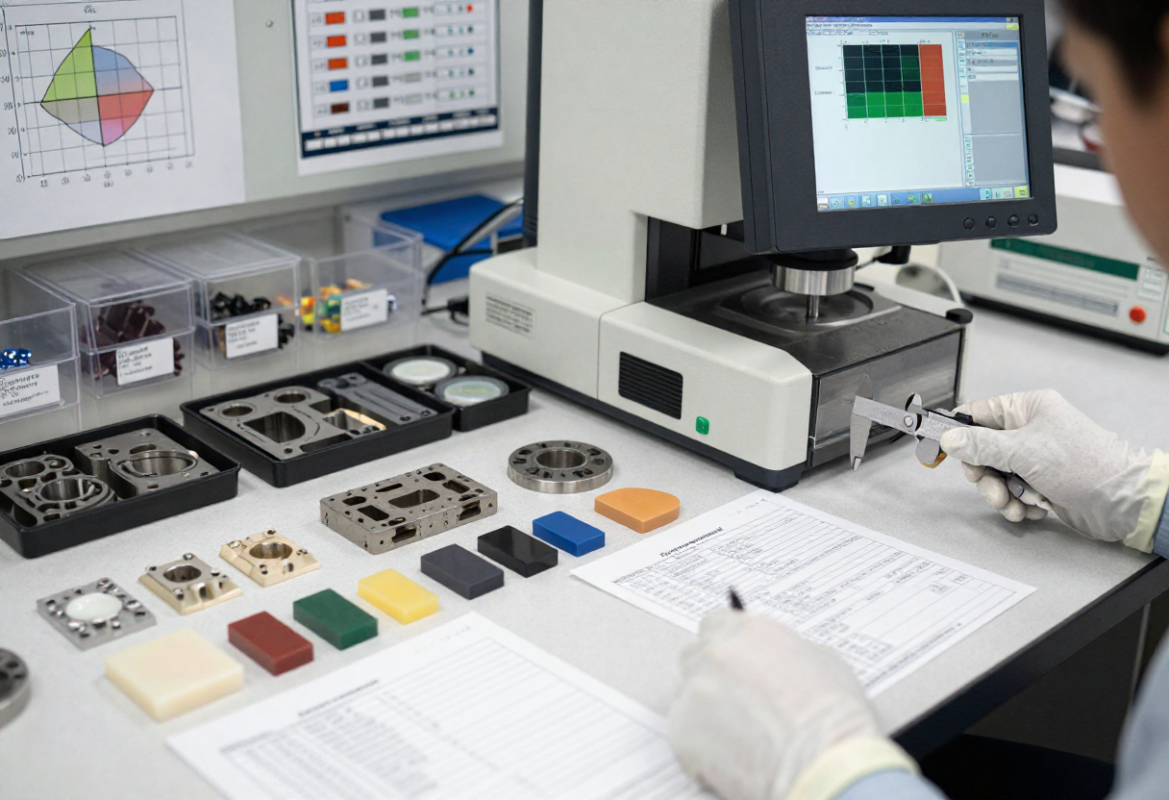
First article tryout includes dimensional inspection (CMM), sample surface finish checks, mechanical tests and process window definition. For regulated industries we integrate FAI/PPAP protocols, capability studies (Cpk) and traceable sample records.

Tryout deliverables

  • FAI report and sample parts
  • Process window (temperatures, cycle times, cooling profiles)
  • Tooling acceptance checklist and operator instructions
  • SPC plan and recommended inspection frequency
Tryout, Validation & Quality Gates

Tooling Cost Models & Amortization

Choosing between prototype tooling, soft tooling and hardened production tooling requires evaluating expected volumes and lifecycle. We present cost models that include tooling CAPEX, maintenance, per‑part cycle cost and amortization breakeven to guide the decision.
Thermal Ranges

Prototype (aluminum)

Low CAPEX, quick turnaround — ideal for validation and small runs

Enable Low Profile Designs

Production (hardened steel)

Higher CAPEX, long tool life — optimal for high volumes

Power Electronics & Energy

Multi‑cavity

Lower piece cost, higher tool cost — consider volume and cycle time

Finishing & Corrosion Protection

Service & spares

Planned spare strategy minimizes line stoppage risk
Tool Materials & Surface Treatments

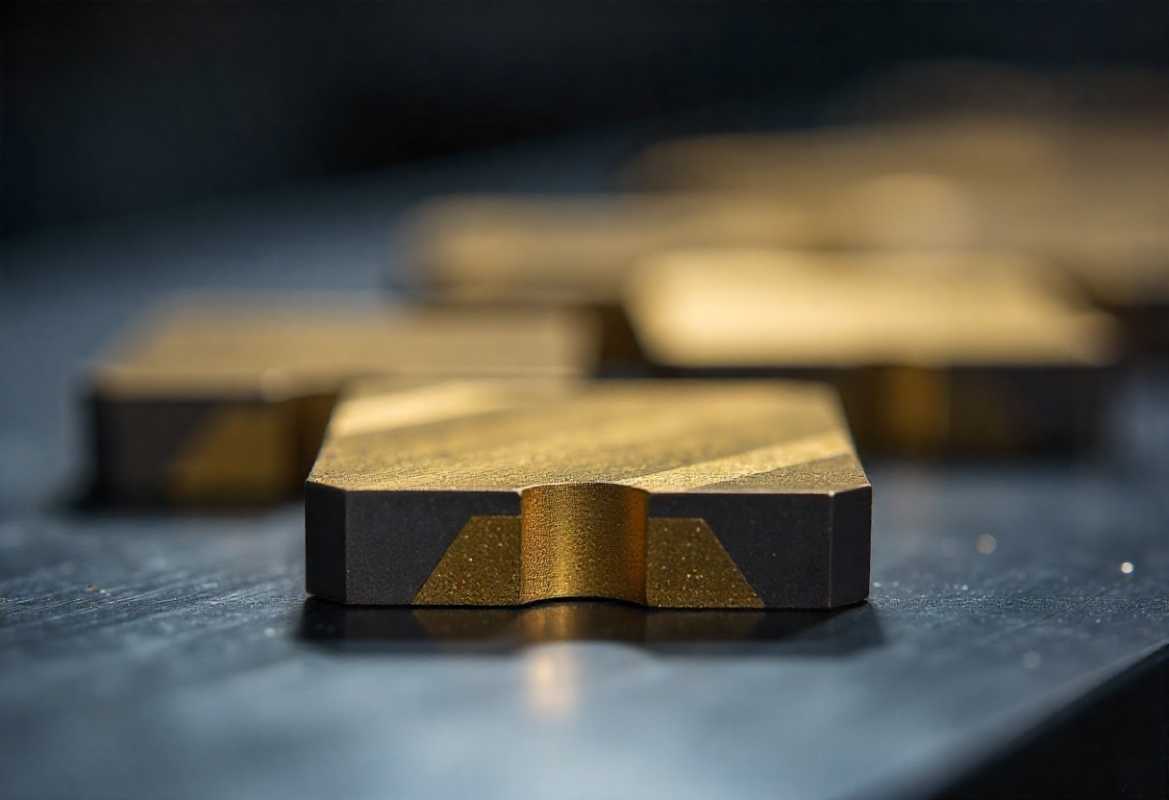
Common tool steels (P20, H13, S7) are selected by application. Surface treatments—nitriding, TiN/TiCN coating, nickel plating of cooling passages—extend life, reduce galling and improve release. We specify corrosion protection for humid or coastal manufacturing environments.
Tool Materials & Surface Treatments

Representative Tooling Projects

16‑Cavity PEEK Connector Mold

16‑Cavity PEEK Connector Mold

Hardened multi‑cavity hot runner mold with family‑tool gating and integrated insert molding capability for high‑volume telecom connectors.
Die Cast Housing Die with Vacuum Assist

Die Cast Housing Die with Vacuum Assist

Low porosity aluminum housing die with vacuum-assisted fill and post‑machined sealing faces for automotive power module enclosure.

Frequently Asked Questions

How do I choose prototype vs production tooling?
Use prototype tooling for quick validation and early samples. Transition to hardened production tooling when volumes justify CAPEX and when process windows are locked. We provide breakeven analysis to help decide.
Prototype (aluminum) molds: 1–4 weeks. Hardened steel production molds: 6–16+ weeks. Progressive stamping tools & die casting dies often 8–20 weeks depending on complexity and heat treatment requirements.
Yes — we offer prioritized repair lanes, spare insert programs and can mobilize urgent EDM/repair work to reduce line downtime. Contract SLA options available for critical programs.
We provide full tooling drawings, assembly documentation, maintenance schedules and optional tooling ownership/lease programs to reduce upfront cost for customers

Start Tooling Engineering for Your Project

Upload part CAD, target volumes and preferred processes. We’ll return a tooling recommendation, estimated lead times and a cost amortization model — typically within 24 business hours.
We make it fast, easy, and risk-free to get started.
Get Free Quote in 30 Minutes

All uploads are secure and confidential

Samples in 1 day, $50-200 fee refunded on 100+ units
Get a Quote in 30 Minutes
All uploads are secure and confidential.