
Multi‑Process Engineering for Complex Mechanical Systems
We coordinate CNC machining, molding, casting, sheet metal, rubber & silicone, and assembly into a single engineering‑driven workflow—so your design is optimized across processes, cost, quality, and lead time.
🛠️ Multi‑Process CNC, Molding 📈 Prototype → MP (EVT / DVT / PVT)
📊 DFM / DFMA Cost Optimization 🏭 Global Mfg + Dallas VMI / JIT Stock
Process Routing & Mix
Tolerance & Stack‑Up Control
Integrated Assemblies
Why Multi‑Process Engineering Matters

One Engineering Team Across All Processes

Instead of separate vendors for machining, molding, and sheet metal, you work with one team that understands how everything fits together.
- Shared understanding of form, fit, and function
- Aligned decisions about tolerances and datum schemes
- Fewer hand‑offs and miscommunications

Optimized Cost & Lead Time, Not Just Piece Price

We look beyond individual part prices to understand total landed cost, including tooling, yield, assembly time, and logistics.
- Trade‑offs between machining vs. molding vs. casting
- Right‑sizing tooling investment for your volume curve
- Designing for efficient assembly and testing

Faster Path from Concept to Stable Production
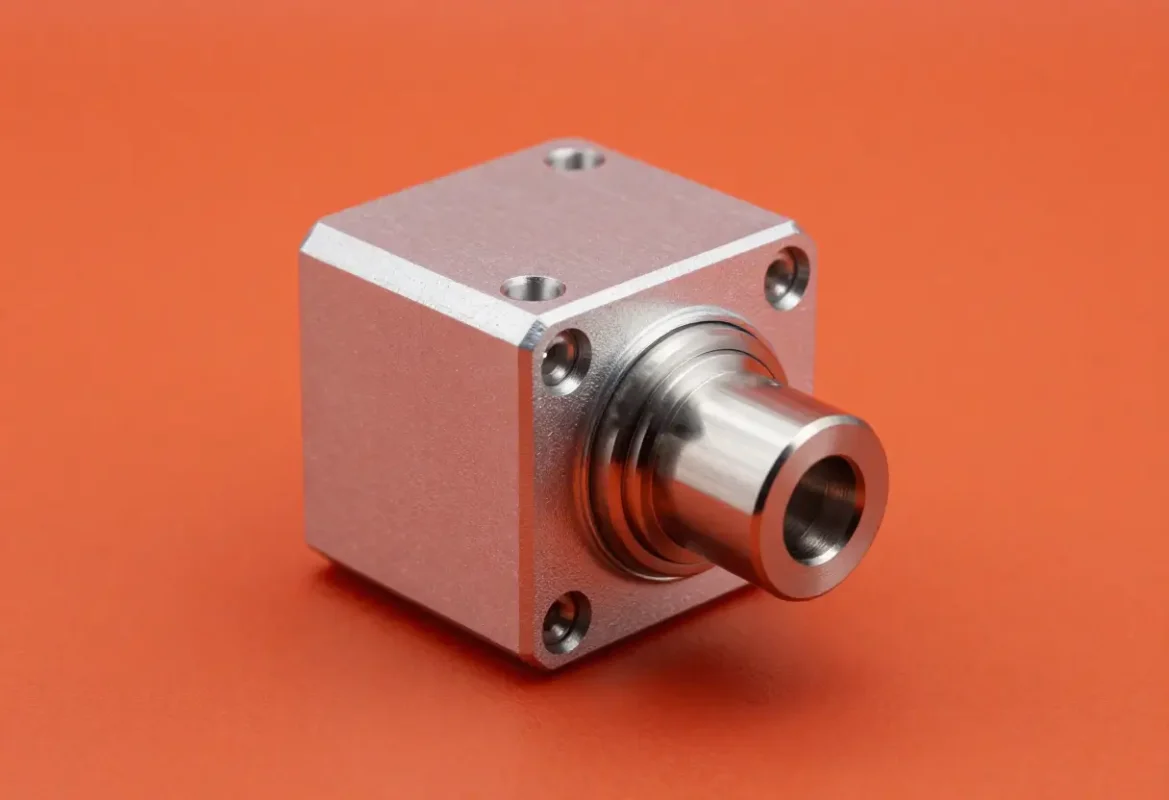
Cross‑process alignment early in the program reduces late surprises and accelerates EVT / DVT / PVT milestones.
- Early identification of high‑risk features and interfaces
- Iterative prototyping across multiple processes
- Clear transition from prototype to production tooling
Our Multi‑Process Engineering Workflow
A structured approach connects design, DFM, prototyping, and production ramp so every process is considered at the right time.
System & BOM Analysis
- Understand the product architecture and function
- Review BOM, materials, and preliminary processes
- Identify where processes interact or conflict
Process Mapping & Routing
- Assign best‑fit process to each part or sub‑assembly
- Evaluate alternate routes (e.g., machined vs. cast)
- Plan sequence: machining → finishing → assembly
Cross‑Process DFM / DFMA
- Optimize geometry for each manufacturing method
- Align datum structures and tolerance schemes
- Design for assembly, fixturing, and inspection
Prototype, Validate & Scale
- Build representative prototypes from each process
- Run functional, thermal, and mechanical tests
- Tune processes and fixtures for volume production
Processes We Coordinate in One Plan
CNC Machining
- 3‑, 4‑, 5‑axis milling and turning
- Aluminum, stainless, steel, copper, and plastics
- Critical datums, precision fits, and sealing surfaces
Molding & Casting
- Plastic injection and overmolding
- Aluminum and zinc die casting
- Rubber & silicone components and seals
Sheet Metal & Fabrication
- Laser cutting, stamping, and deep drawing
- Bending, forming, and welding
- Brackets, chassis, and enclosures
Finishing & Coatings
- Anodizing, plating, and conversion coatings
- Powder coat and wet paint systems
- Cosmetic standards and inspection criteria
Assembly & Testing
- Mechanical and electromechanical assemblies
- Custom fixtures and torque/control strategies
- Functional, leak, and basic performance tests
Packaging & Logistics
- Protective, efficient packaging per process output
- Kitting and line‑side delivery strategies
- Dallas warehouse, VMI / JIT and global shipping
Typical Multi‑Process Trade‑Offs We Help Decide
We work through key decisions that determine cost, scalability, and performance across your product’s lifecycle.
| Decision Area | Options We Compare | How We Evaluate |
|---|---|---|
| CNC vs. Casting vs. Molding | Machined prototypes, machined‑from‑solid, die‑cast, or molded parts. | Balance volume curve, tooling cost, feature complexity, tolerances, and cosmetic targets. |
| One‑Piece vs. Multi‑Piece Assemblies | Integrated parts vs. split components with fasteners or welding. | Compare tooling vs. secondary ops cost, assembly time, serviceability, and failure modes. |
| Datum & Tolerance Strategy | Alternative datum schemes and GD&T distributions across parts. | Use stack‑up analysis, process capability, and inspection complexity to define the best scheme. |
| Finish & Cosmetic Standards | Raw, machined, anodized, painted, plated, or textured finishes. | Consider customer‑facing areas, durability, rework risk, and inspection requirements. |
Quality, Program Management & Supply Chain

Program Management
Single point of contact for all processes and suppliers Stage‑gate tracking across EVT, DVT, PVT, and MP Risk registers and mitigation plans for critical items

Quality & Documentation
FAI, PPAP, and Cpk per process and key features Inspection plans tied to functional and cosmetic priorities Change control and revision management across the BOM
Supply Chain & Logistics
Aligned capacity and lead times across processes Dallas warehouse, VMI / JIT, and line‑side delivery options Packaging designed around process flow and protection

Where Multi‑Process Engineering Delivers the Most Value

Enclosures & Chassis
- Machined and die‑cast base with sheet metal covers
- Plastic front bezels and interfaces
- Thermal and sealing integration for electronics

Robotics & Motion Systems
- Precision machined joints and brackets
- Sheet metal guards and cable management
- Overmolded grips, seals, and grommets

Outdoor, EV & Specialty Devices
- Mixed metal, plastic, and rubber assemblies
- Cosmetic and structural requirements in one design
- Corrosion‑ and impact‑resistant finishes
Ready to Align Your Design with the Right Processes?
Upload Drawings for Multi‑Process Review
Attach STEP/IGES/PDF files and basic requirements. Receive engineering feedback and a quote outline within 24 hours.