
Engineering Support (DFM/DFMA/Simulation)

Failure Analysis & Redesign

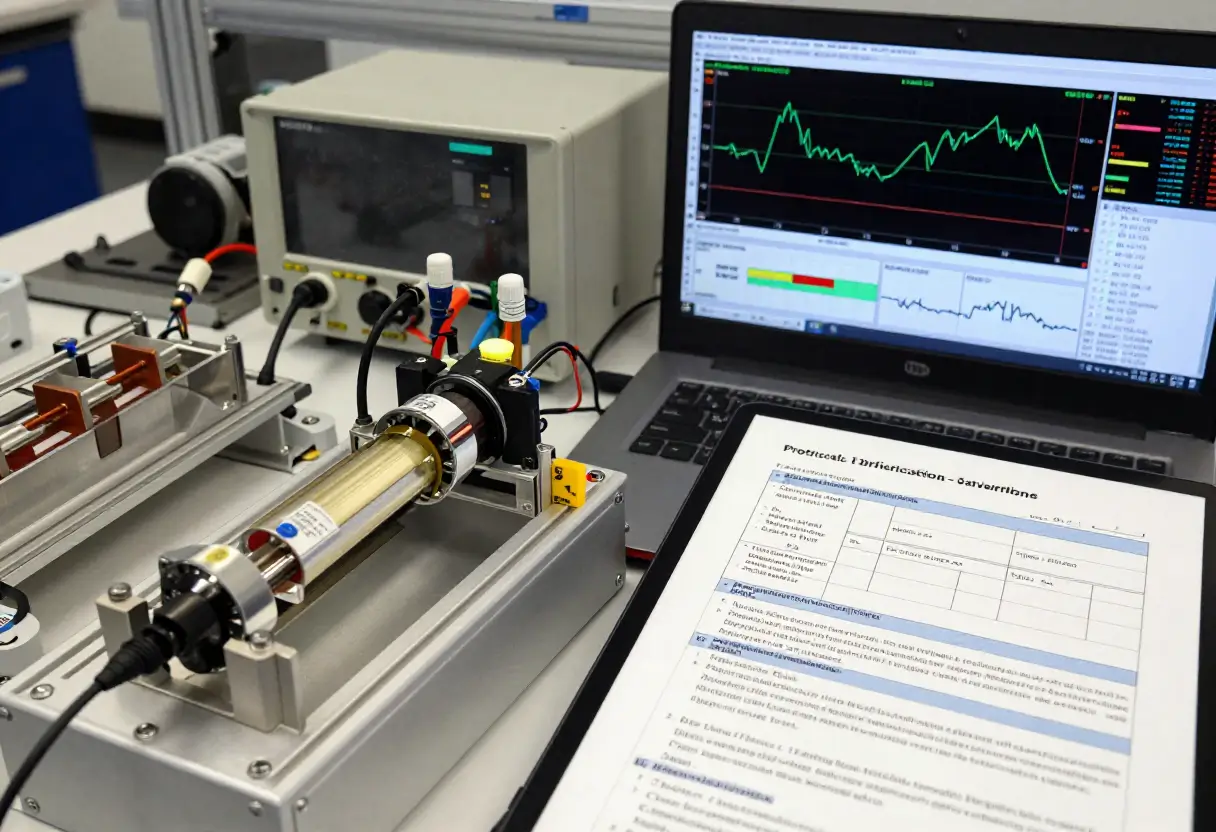
A practical, test‑driven approach to find root cause, implement corrective redesigns and verify results so failures do not recur in production. We combine on‑site field data, lab reproduction, DFMEA methods and engineering redesign to deliver durable fixes and handover packages for production.

📝 8D / 5Why Reports   ⚙️ DFMEA / PFMEA Updates 

📐 Corrective Design Drawings   📊 Verification Test Reports + Control Plans

Outcome

Repeatable Fixes • Verified • Production‑Ready

From Failure to Verified Fix

We help teams move beyond temporary fixes by identifying true root causes, implementing corrective redesigns, and validating results with production-ready controls.

failure

Why Address Failures Systematically

Ad hoc fixes risk recurrence, warranty exposure and supplier churn. We apply structured root cause methods and link corrective actions to manufacturing controls and verification so results hold in production.
engagement

When to Engage Us

Early field anomalies, first‑off failures in EVT/DVT, repeat defects in pilots, unexplained warranty returns, or when supplier returns lack evidence of permanent corrective action.

design-team

Who We Work With

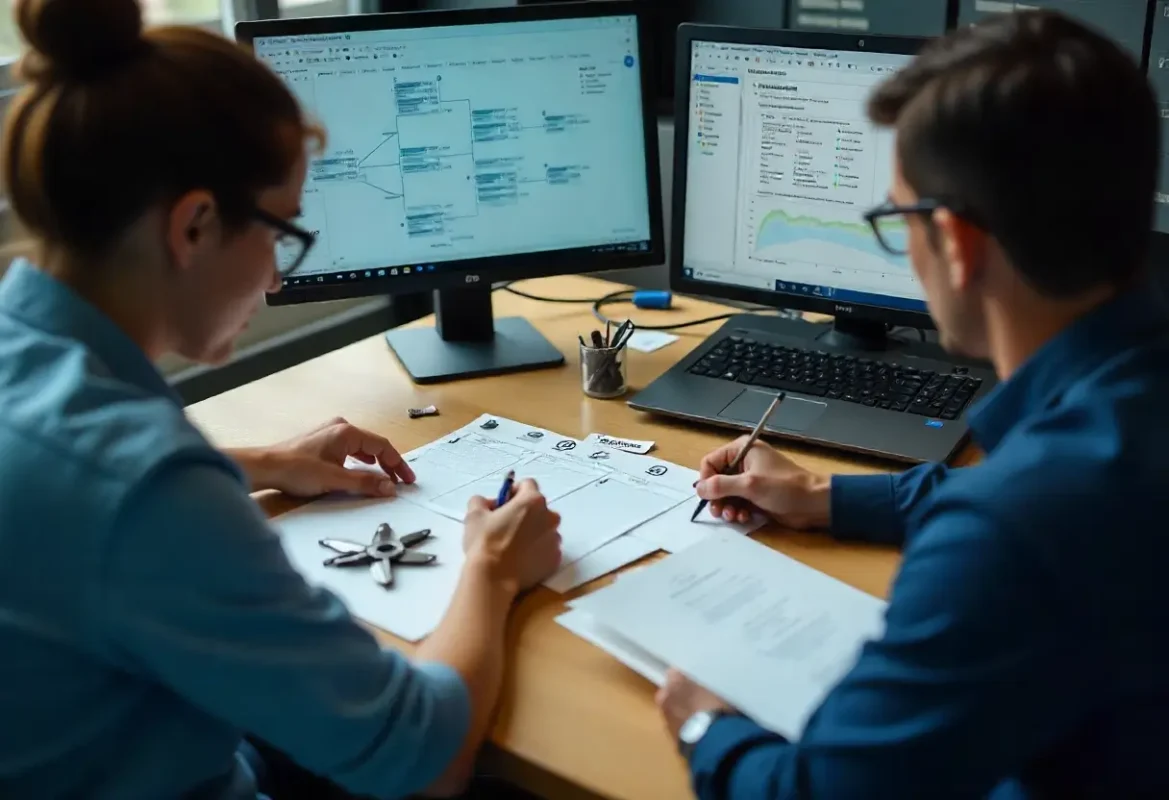
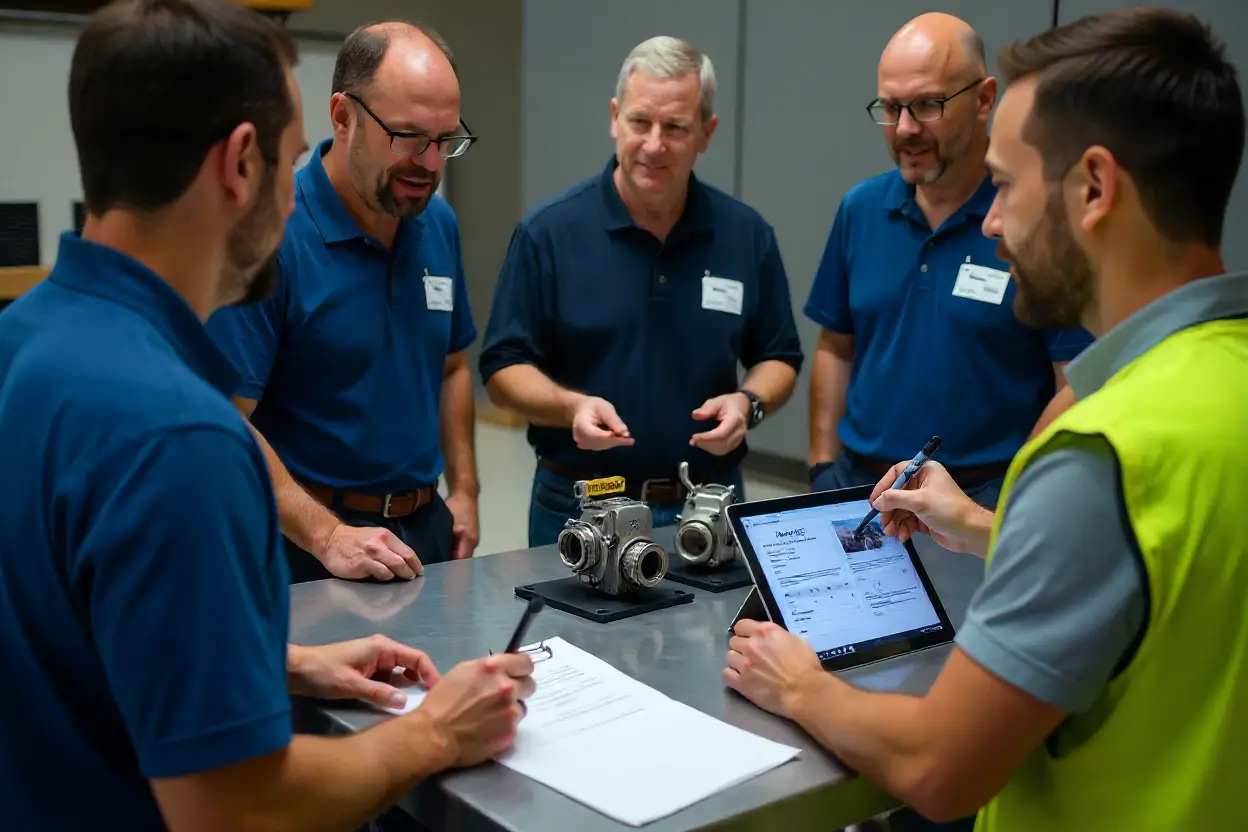
Design engineers, test labs, supplier quality teams and program managers who need a single accountable engineering team to lead investigation, redesign and verification.
Investigation → Corrective Redesign → Verified Handover

1

Intake & Evidence Collection

Collect failed parts, assemblies, process records, supplier data and field logs. Define failure symptoms, occurrence rate and risk to program.

2

Replication & Lab Reproduction

Attempt to reproduce the failure in controlled conditions to validate hypotheses and to enable repeatable testing of corrective options.

3

Root Cause Analysis

Apply 5‑Why, 8D, DFMEA and evidence‑based analysis to identify primary, contributing and systemic causes.

 
4

Corrective Redesign

Implement design changes, process controls, tooling updates or material substitutions and document engineering change with justification and impact assessment.

5

Verification & Handover

Run verification builds, durability and environmental tests; produce FAI/PPAP deliverables, control plans and supplier instructions for SOP.

Methods & Tools We Use

Structured Problem Solving

Structured Problem Solving

5‑Why, 8D and Ishikawa diagrams combined with evidence trails to keep investigations rigorous and verifiable.
DFMEA _ PFMEA

DFMEA / PFMEA

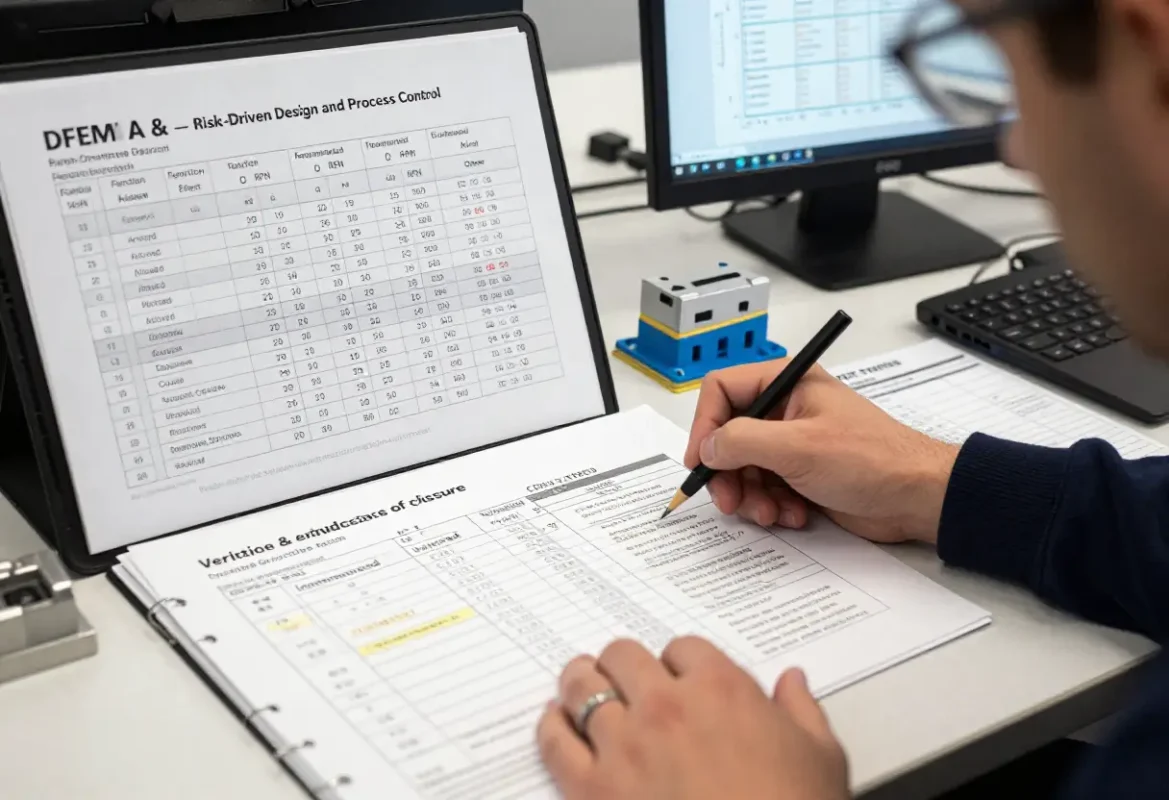
Update and re‑score failure modes based on findings, identify mitigation and control plans, and close gaps in process controls.
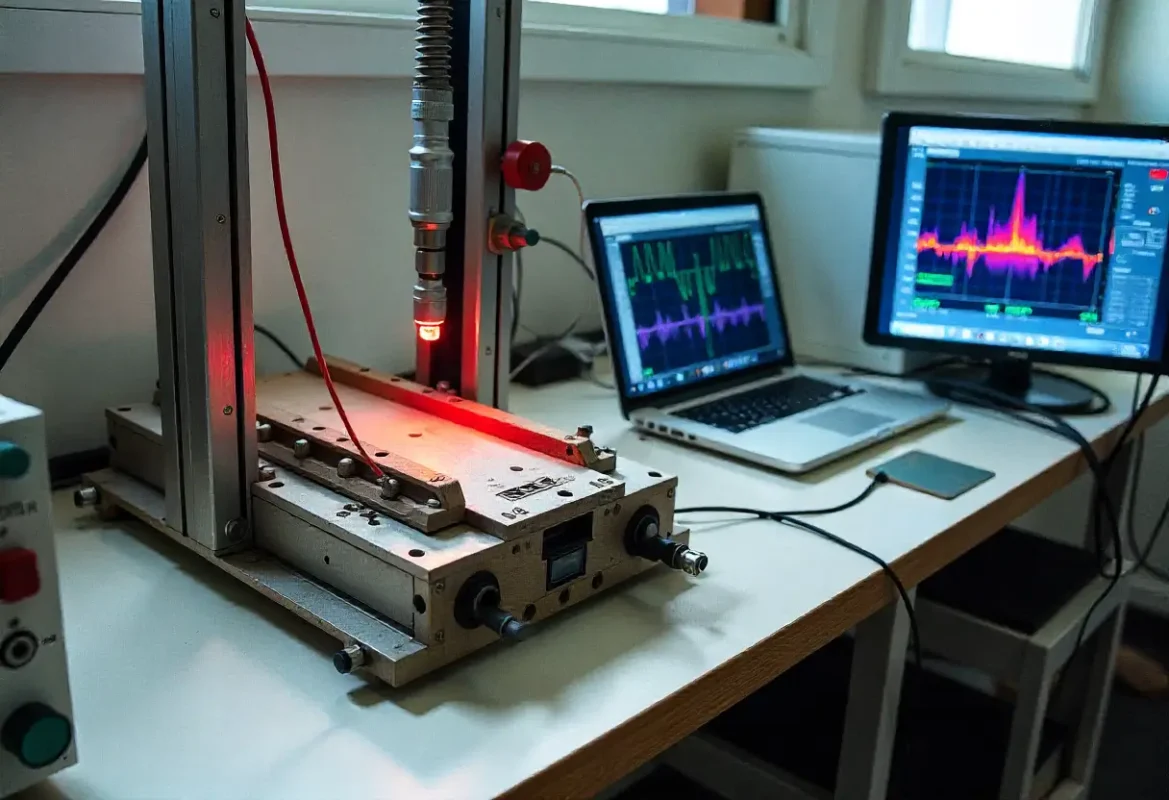
Test & Reproduction — Lab Reproduction of Failures with Controlled Inputs and Instrumentation

Test & Reproduction

Lab reproduction of failures with controlled inputs, load profiles and instrumentation to capture transient and steady‑state behavior.

Methods & Tools We Use

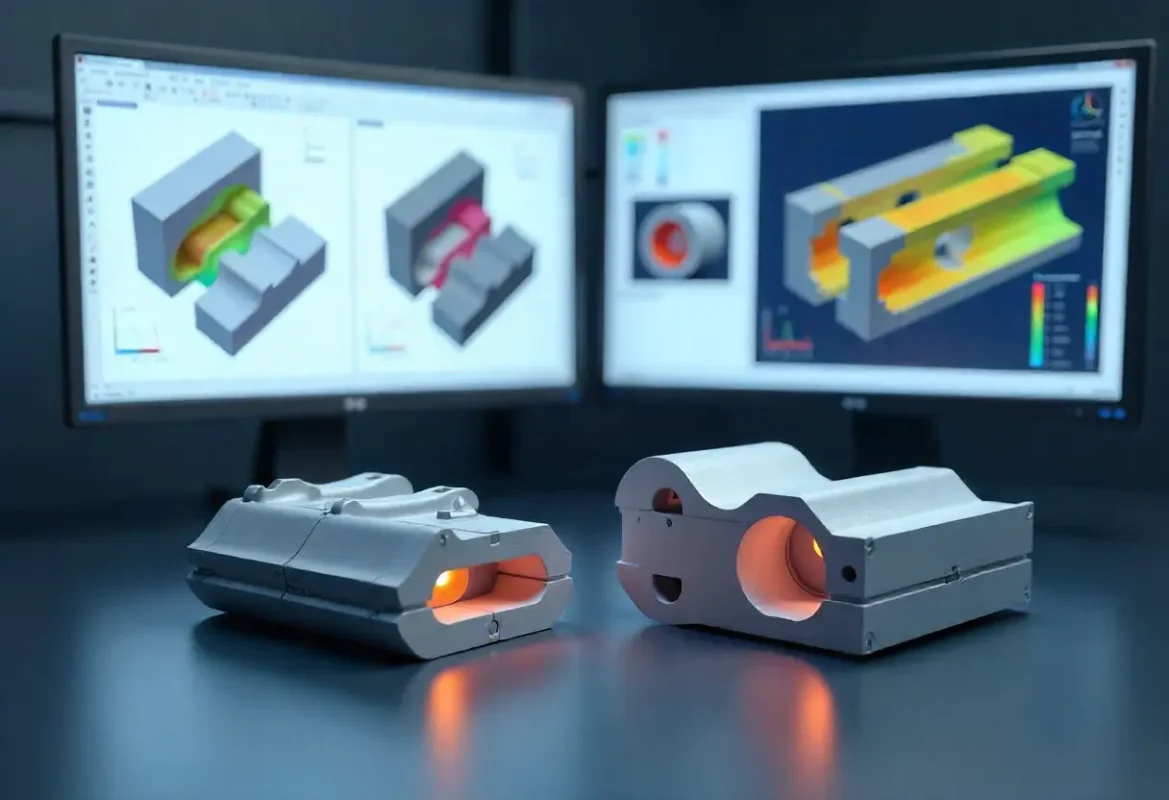
Geometry & Strength Fixes

Geometry & Strength Fixes

Increase fillets, add local reinforcement, change feature transitions, or modify wall sections and ribs to address fatigue or stress concentrations.
Material & Surface Changes — Alloys, Coatings, Heat‑Treat & Finishes for Durability

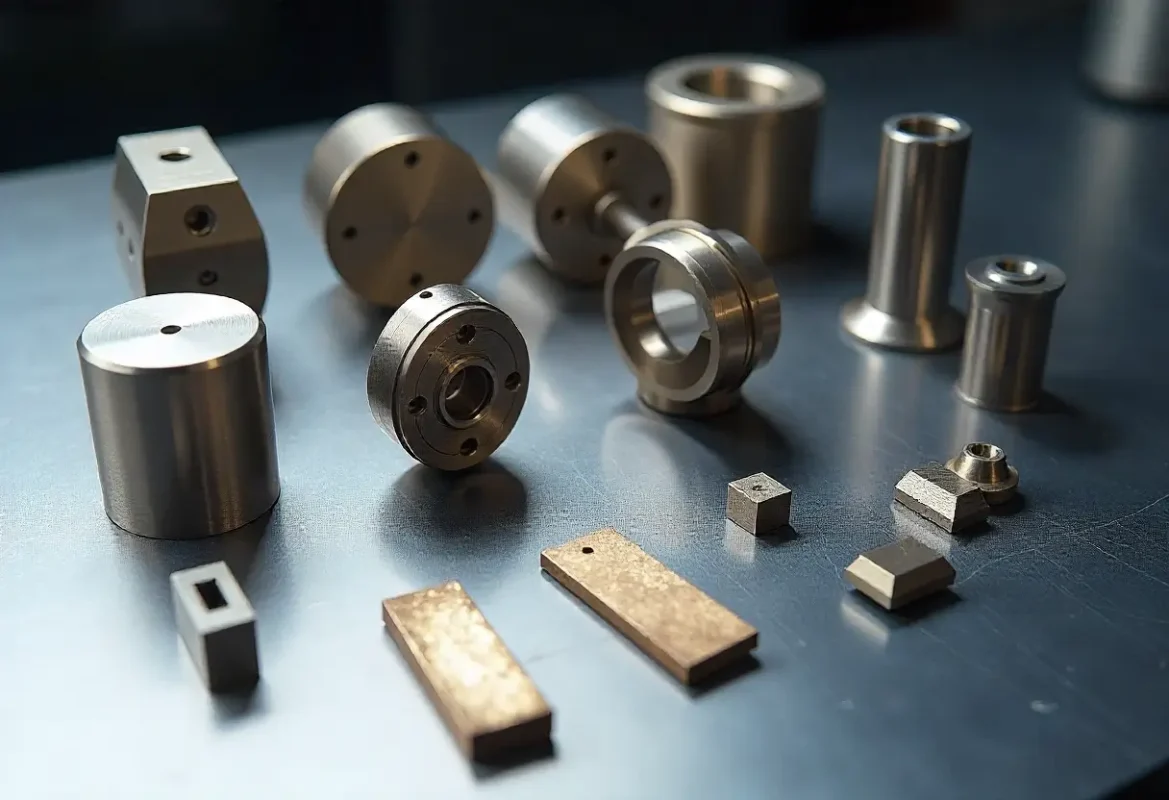
Material & Surface Changes

Change alloys, specify coatings, adjust heat treatment, or change surface finish to mitigate wear, corrosion and contact degradation.

Process & Assembly Controls — Robust Process Windows, Tooling, and Work Instructions

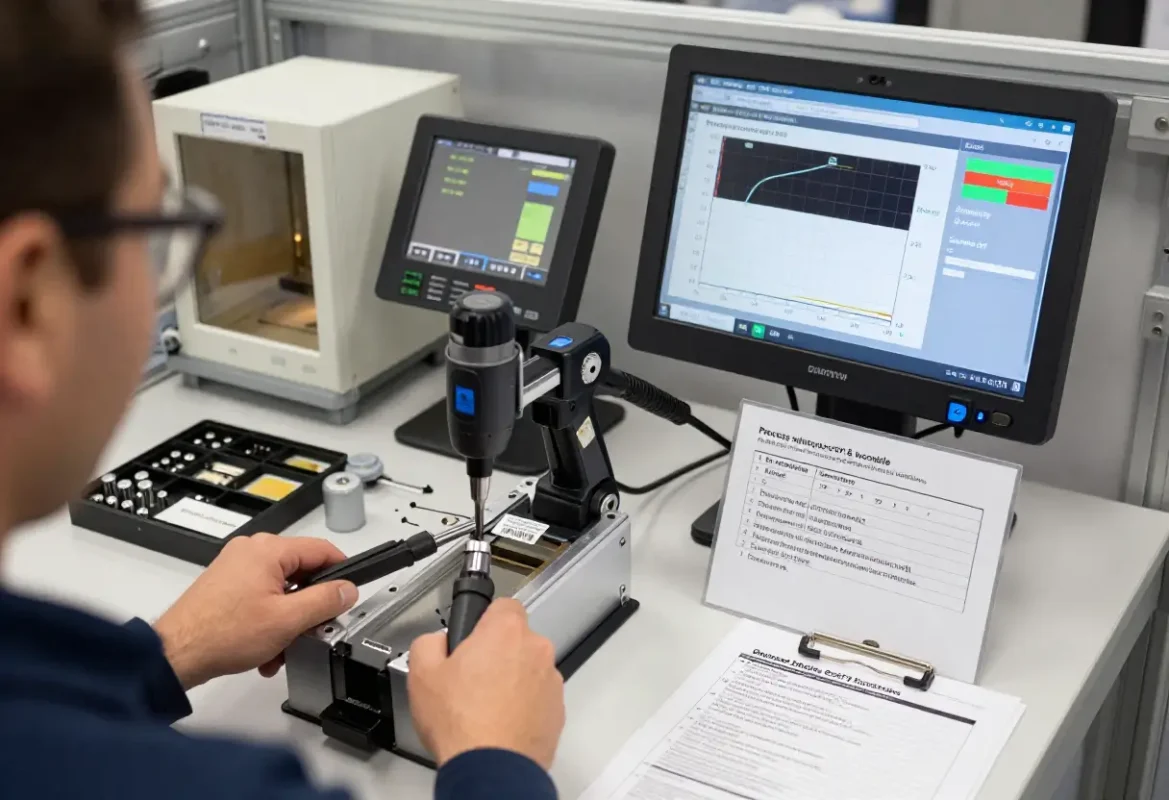
Process & Assembly Controls

Adjust process windows, tooling, torque strategies, adhesive cure cycles and operator instructions to eliminate assembly‑induced defects
Testing & Verification

Testing & Verification

Verification is not optional. We combine lab testing (mechanical, thermal, environmental), instrumented replication, and statistical runs to demonstrate that corrective actions eliminate root cause and do not introduce new risks.

Deliverables & Production Handover

investigation

Investigation Report

Detailed timeline, evidence, failure modes, root cause statements and recommended corrective actions with success criteria.
design

Corrective Design Package

Engineering drawings, BOM updates, revised CAD, and implementation notes for tooling, assembly and inspection.
verification

Verification Test Report

Replication protocols, instrumentation data, pass/fail criteria and statistical confidence for the corrective action.

control

Production Controls

FAI/PPAP package, PFMEA updates, control plan, SPC templates and supplier instruction package for SOP release.
Artifact SLAs & Typical Contents

Artifact Contents Typical SLA
8D / RCA Report Containment, root cause, corrections, verification plan 3–10 business days (scope dependent)
Corrective Drawings Revised geometry, tolerances, notes for supplier release 3–14 days
Verification Protocol & Data Test setup, instrumentation, results and conclusion 1–3 weeks
Production Handover Package FAI/PPAP, PFMEA, control plan and SPC templates Aligned to PVT / SOP schedule
Supplier & Quality Integration

Supplier & Quality Integration

We work directly with supplier engineering and quality teams to implement changes, update process controls, and supervise first article runs when required. Our goal is a single auditable path from failure to validated SOP.
If on‑site support is required, we provide field engineering to collect evidence, witness tests, and accelerate closure.

Request a Failure Analysis & Redesign Review

Upload failed parts, photos, process logs and CAD. We will confirm next steps within 24 business hours and propose an investigation plan with estimated timelines and costs.
We make it fast, easy, and risk-free to get started.
Get Free Quote in 30 Minutes

All uploads are secure and confidential

Samples in 1 day, $50-200 fee refunded on 100+ units
Get a Quote in 30 Minutes
All uploads are secure and confidential.