




MATERIALS

Performance Finishing Functional Coatings for Durability & System Performance

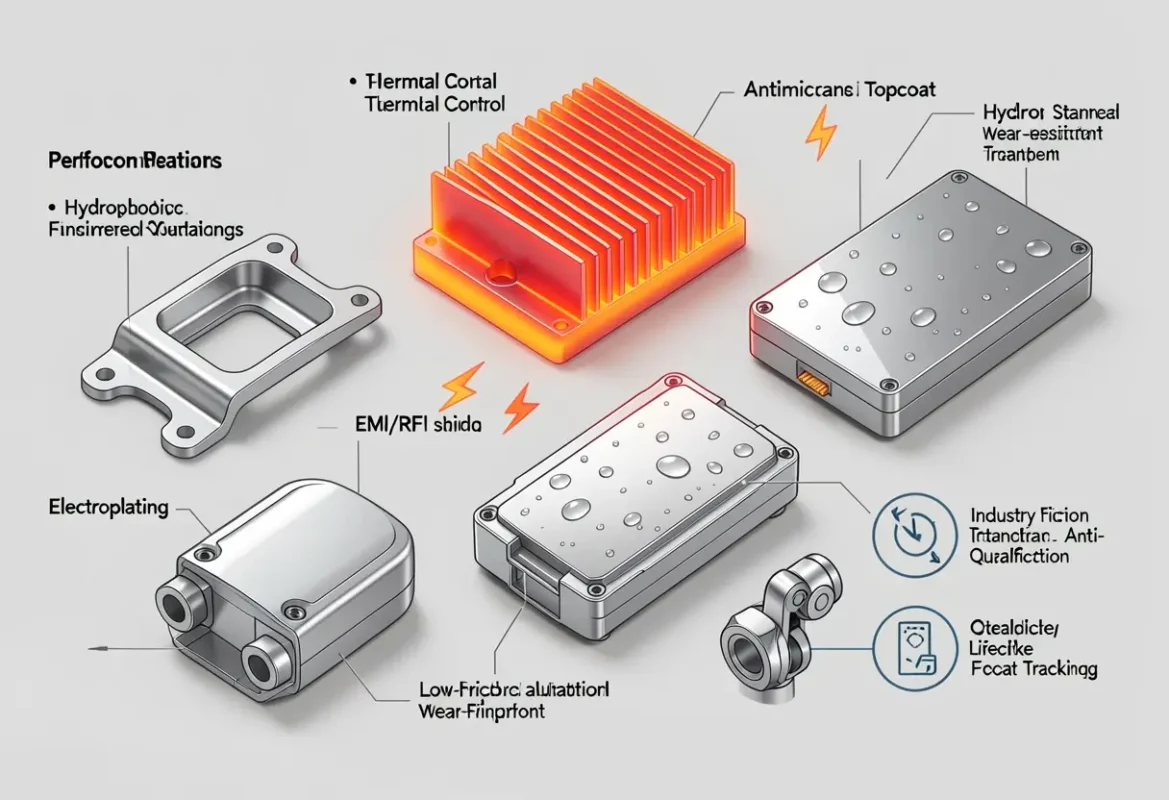
Functional coatings and engineered surface treatments that add measurable system value: corrosion protection, thermal control, EMI/RFI shielding, hydrophobicity, anti‑fingerprint, anti‑microbial action, wear reduction, and low‑friction surfaces. We specify, apply, and validate coatings for demanding environments and regulated industries.

  • System‑level finishes selected for measured performance, not just appearance
  • Matched application method and substrate: PVD, thermal spray, electro/ electroless plating, powder/wet coatings, plasma treatments
  • Tested & qualified per industry standards with lifecycle and recoat strategies
Performance Finishing Functional Coatings for Durability & System Performance

What Is Performance Finishing?

Performance finishing covers coatings that deliver validated functional benefits: quantitative metrics (e.g., emissivity, surface resistivity, contact angle, Taber cycles to failure). Unlike decorative finishes, these are specified by target properties and qualified through testing and life‑cycle validation.
What Is Performance Finishing?

Key Coating Families & Typical Uses

shield metal

Corrosion‑Resistant Systems

E‑coat + powder topcoat, electroless nickel, duplex systems (zinc + e‑coat), non‑sacrificial passivation to meet marine/automotive exposure.
thermal

Thermal Control Coatings

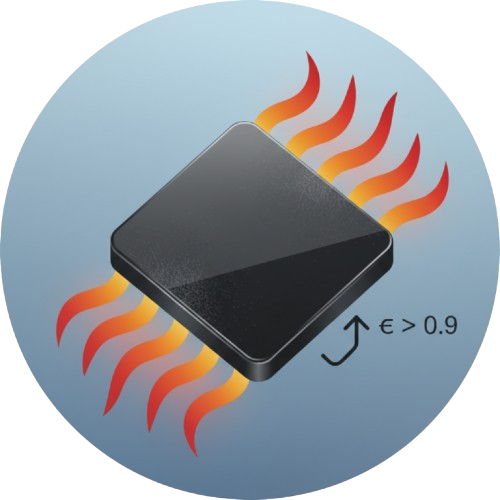
High emissivity black paints, thermal sprays (ceramic), and thermally conductive thin films to manage radiation/convection paths for heat sinks & enclosures.
conductivity

EMI / Conductive Coatings

Conductive paints, electroless metallization, plated housings and conductive elastomer gaskets for shielding & grounding at system level.
biometric

Anti‑Fingerprint / Oleophobic

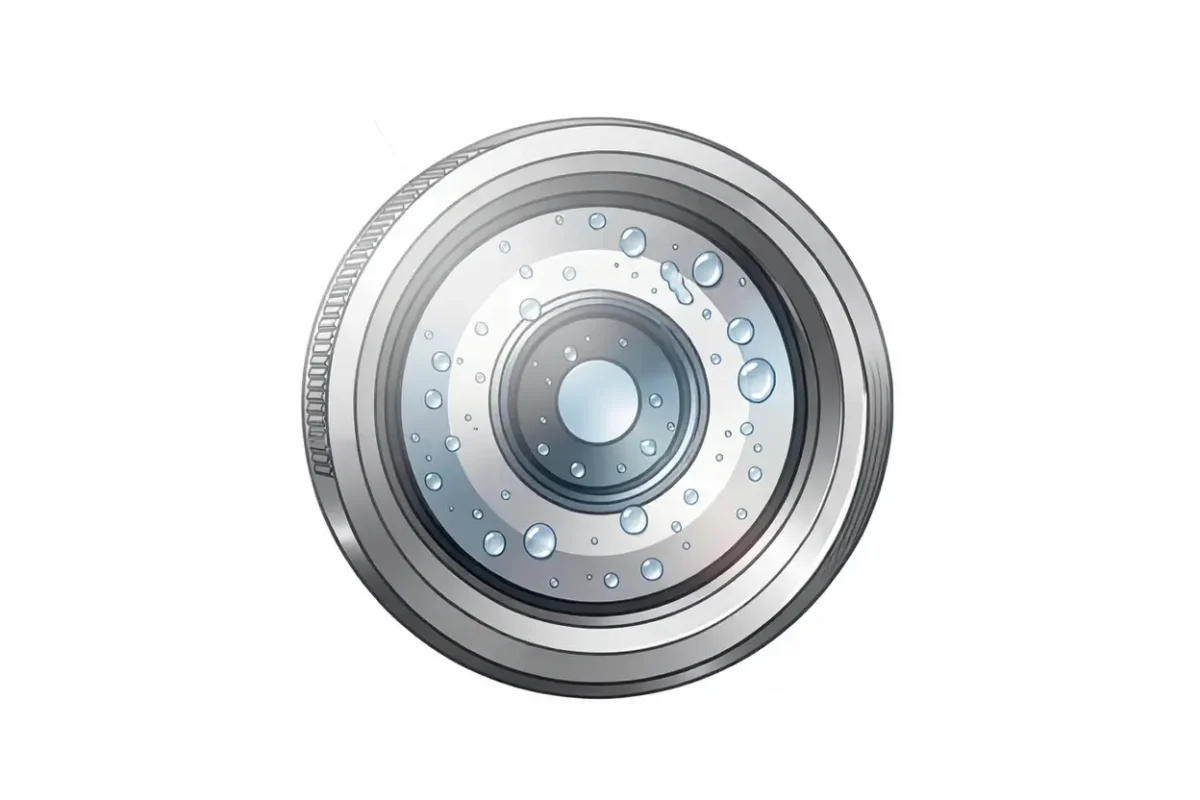
Hydrophobic/oleophobic topcoats for consumer touch surfaces to reduce smudging and improve perceived quality (measured by contact angle & wipe resistance).
hygiene

Anti‑Microbial & Hygiene

Durable antimicrobial coatings for healthcare and food contact surfaces; validated per ISO/ASTM efficacy tests and regulatory constraints.
collision

Wear & Low‑Friction Coatings

DLC, TiN, PTFE dry films and ceramic thermal spray for sliding, bearing surfaces and high wear environments to reduce coefficient of friction and extend life.

Application Methods & When To Use Them

PVD / CVD / DLC

PVD / CVD / DLC

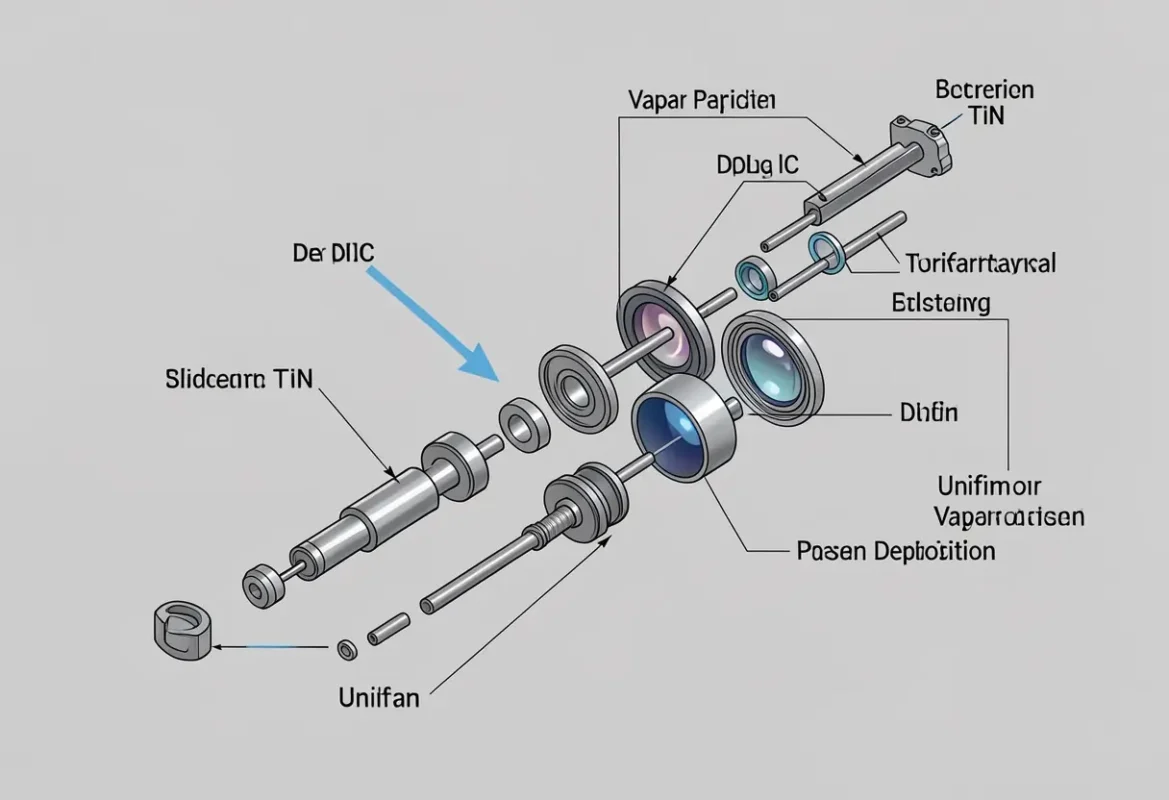
Thin, dense hard coatings (DLC, TiN) for wear resistance and low friction — excellent for bearings, sliding surfaces and optic hardness. Typically line‑of‑sight and best for smaller components or fixtures.
Thermal Spray & Plasma Spray

Thermal Spray & Plasma Spray

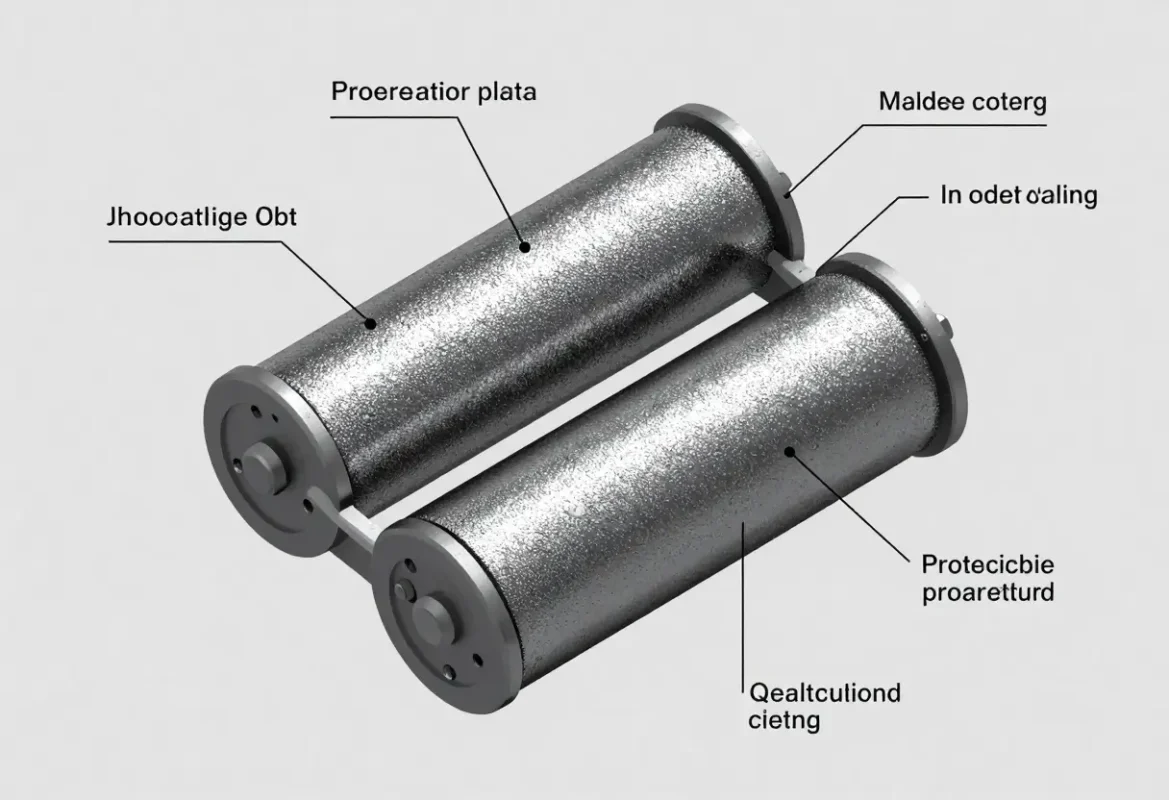
Thicker ceramic or metal coatings for thermal barriers or heavy wear. Good for heat‑resistant surfaces and large structures; requires post‑machining for tight tolerances.
Electroless / Electro Plating

Electroless / Electro Plating

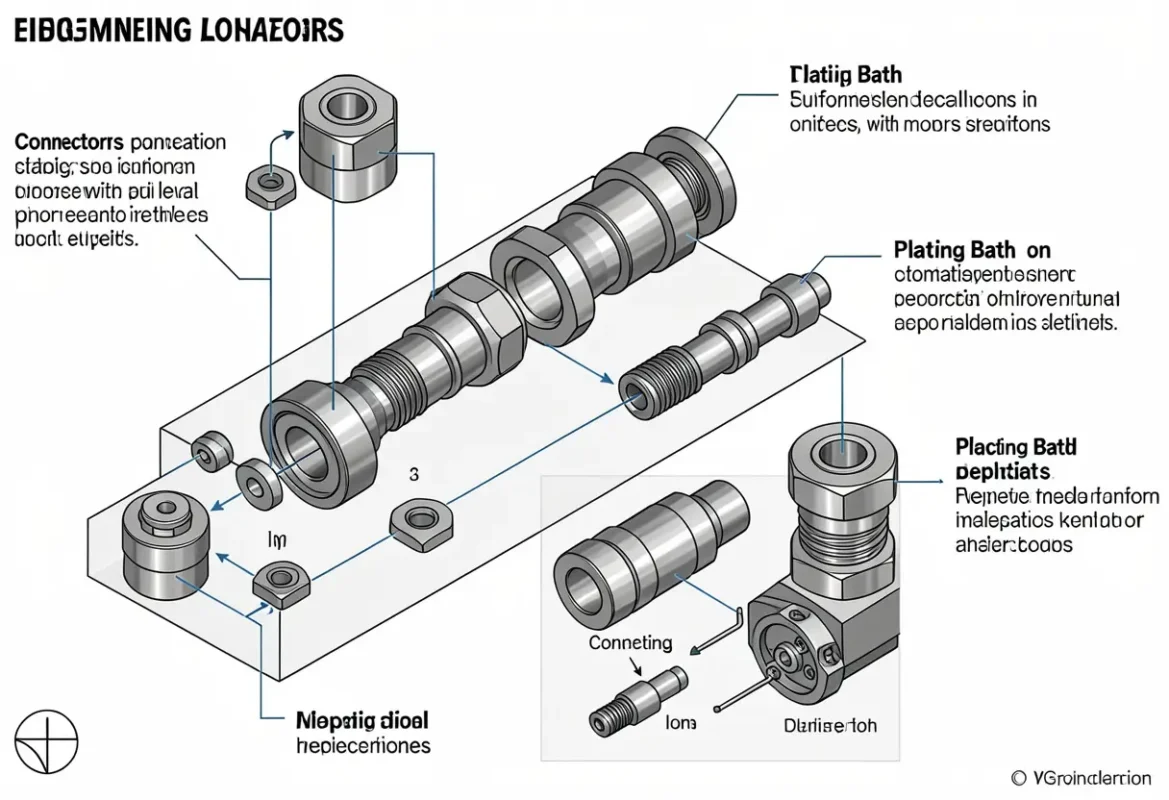
Uniform metallic layers (Ni, Cu, Ag) for conductivity, corrosion resistance and decorative finish. Electroless nickel provides even coverage for complex geometries.
Spray / Dip / E‑Coat & Powder

Spray / Dip / E‑Coat & Powder

Liquid coatings for corrosion protection and topcoat aesthetics. E‑coat provides exceptional coverage for complex parts; powder coat gives robust finish for exteriors.
Liquid & Sol‑Gel Hydrophobic / Oleophobic Treatments

Liquid & Sol‑Gel Hydrophobic / Oleophobic Treatments

Thin, often nanostructured topcoats applied by spray or dip to increase contact angle and reduce fingerprinting; durability varies by chemistry and cure method.
Conductive Inks & Printed Coatings

Conductive Inks & Printed Coatings

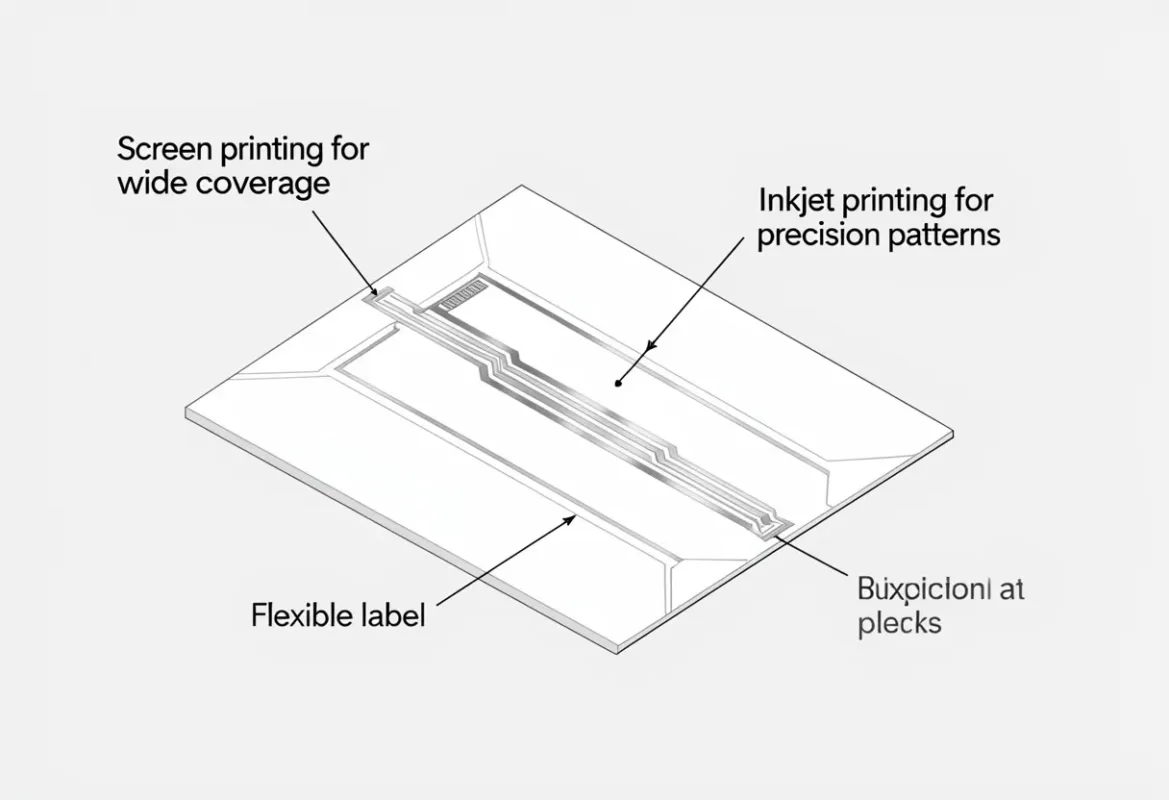
Screen/inkjet printed conductive traces or shields for lightweight EMI solutions on plastics or flexible substrates.

Substrate Compatibility & Pre‑Treatment

Performance coatings require appropriate substrate prep: conversion coats for aluminum, phosphate/electrocleaning for steels, plasma/etch for plastics, or conductive seed layers for plating plastics. Adhesion, thermal expansion and galvanic compatibility must be validated.

aluminum

Aluminum

Anodize or conversion + suitable primers before topcoat; PVD possible on plated or conductive underlayers.

steel

Steel

E‑coat or galvanize + topcoat recommended for severe corrosion; plating requires pretreat.
plastic-bottle

Plastics

Require etch/primer and often electroless nickel for plating or functional metal layers.
Performance Metrics, Testing & Qualification

We validate functional coatings with quantitative tests tied to requirements. Typical acceptance criteria are specified up front and included in FAI/PPAP packages for production release.

PropertyTest / StandardTypical Metric
Corrosion resistanceSalt spray ASTM B117, cyclic corrosionHours to substrate attack / blistering
Wear resistanceTaber abrasion ASTM D4060, reciprocating wearCycles to coating failure / mg loss
AdhesionCross‑cut/tape ASTM D3359, pull‑off ASTM D4541Rating or minimum peel strength
HydrophobicityContact angle measurementWater contact angle ° (e.g., >100°)
Surface resistivity / EMISurface resistivity ASTM D257, shielding attenuationSurface Ω/sq; dB attenuation at freq.
Antimicrobial efficacyISO 22196 / ASTM E2180Log reduction vs control

Design for Performance Finishing (DFP)

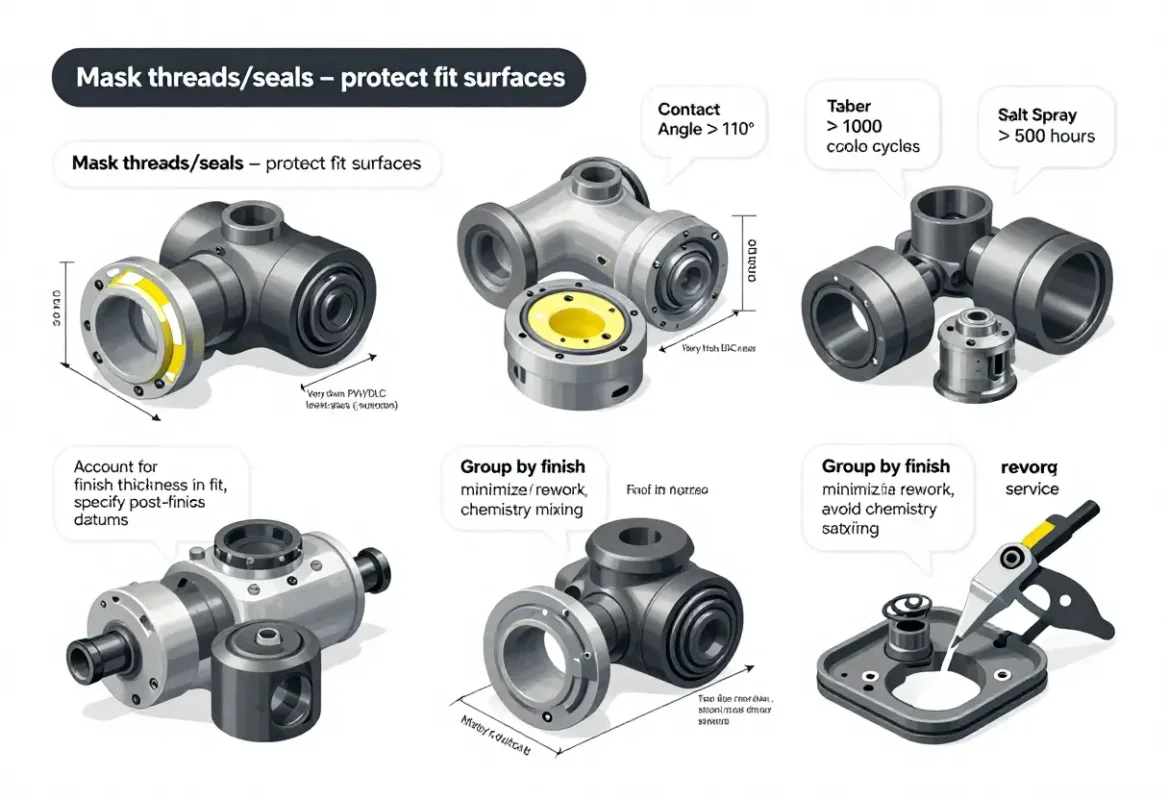
  • Define functional targets (metric + acceptance criteria) up front — e.g., contact angle, Taber cycles, hours salt spray
  • Specify masking zones (threads, sealing faces) and include assembly/fit allowances for coating thickness
  • Group parts by finish to minimize rework and batch variability — avoid mixing incompatible chemistries in one line
  • Consider reworkability and recoating strategies for service & repair

Allowance guidance

Account for coating thickness in tolerances: thin PVD/DLC (µm scale) vs powder/e‑coat (tens to hundreds µm). Specify post‑finish critical datums where necessary.

Design for Performance Finishing (DFP)

Environmental, Health & Regulatory Considerations

Many high‑performance chemistries and plating processes involve regulated substances and waste streams. We manage RoHS/REACH compliance, hazardous materials handling, and environmental controls for plating and solvent‑based coatings. Choose greener chemistries where possible and document compliance for each production lot.

Recommendations

  • Early specification of restricted substances and finish approvals
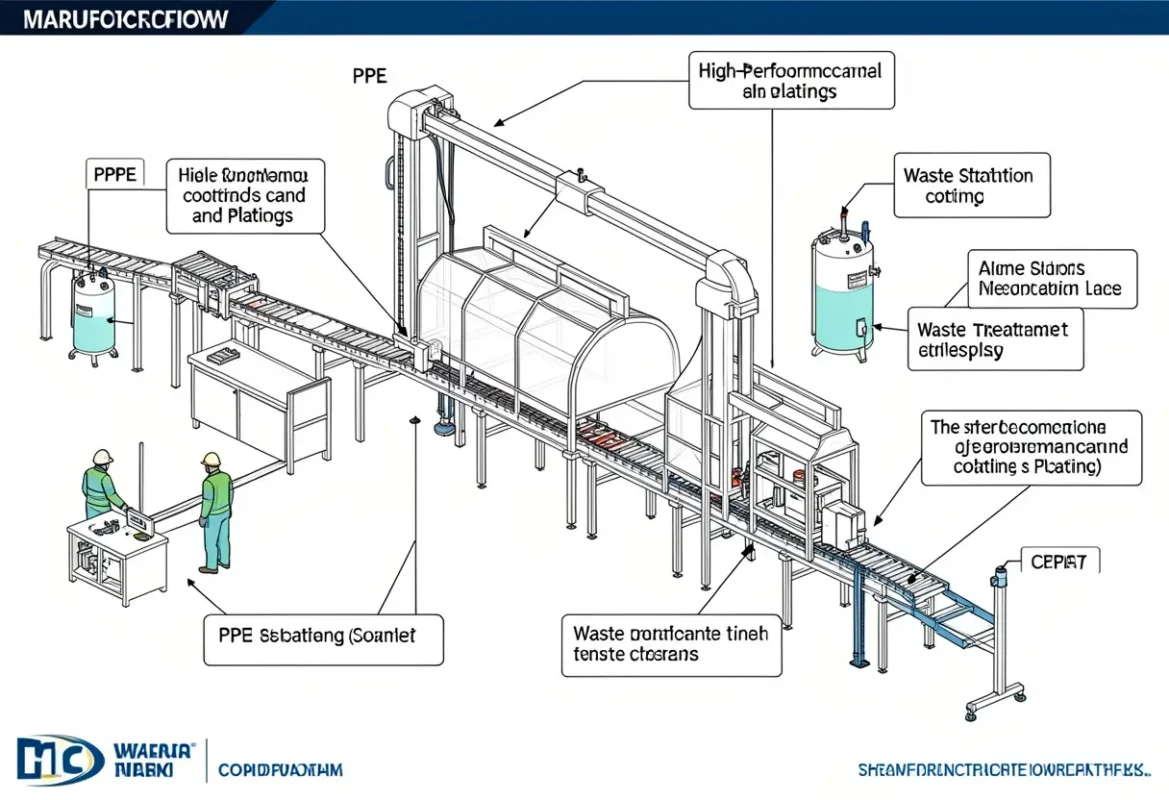
  • Plan waste treatment for electroplating & solvent processes
  • Consider life‑cycle costs: recoat intervals, serviceability and environmental disposal
Environmental, Health & Regulatory Considerations

Sourcing, Lead Times & Production Scaling

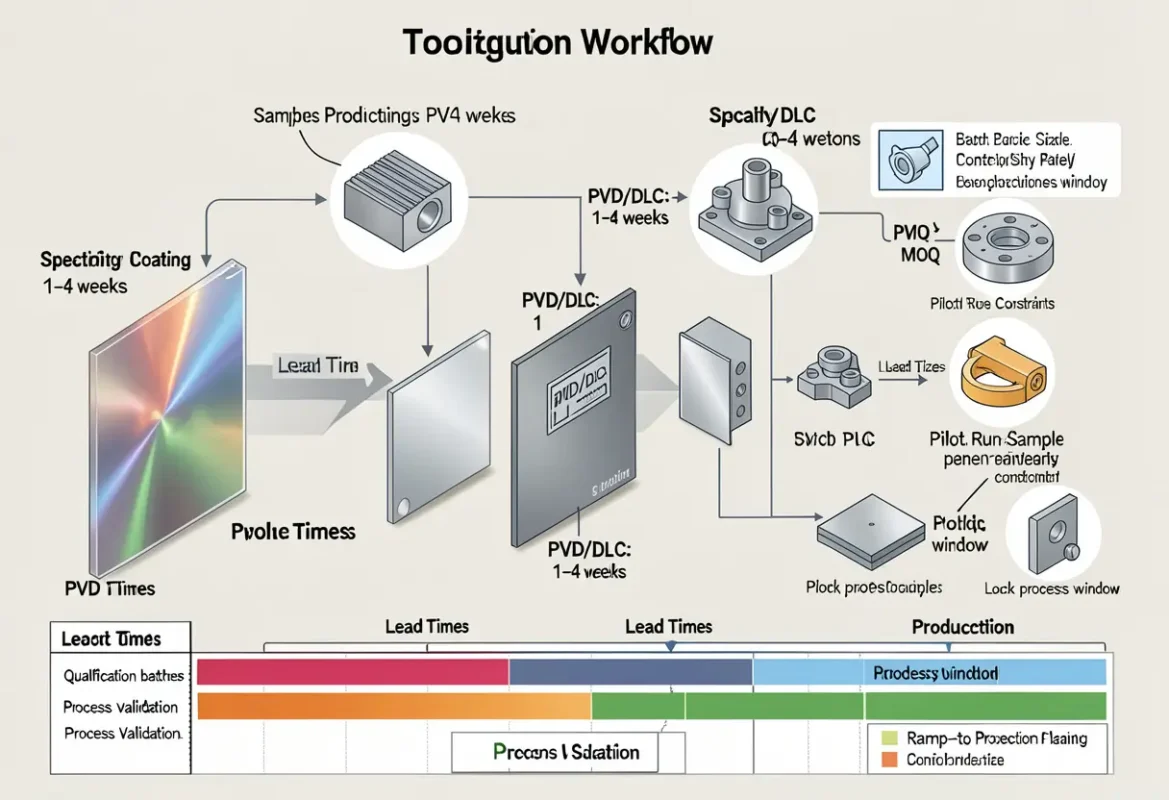
Specialty coatings may have longer lead times, batch constraints and MOQ. Pilot runs and sample panels are recommended to lock process windows. We support qualification batches, color/finish samples and production ramp plans to ensure reproducibility. Typical lead time examples: PVD/DLC: 1–4 weeks (depending on load & batch); thermal spray: 1–3 weeks; electroless nickel plating: 2–6 weeks including pre‑treat; functional topcoats (hydrophobic/anti‑fingerprint): 1–4 weeks for qualification.
Sourcing, Lead Times & Production Scaling

Representative Projects

High‑Emissivity Coating for Power Module

High‑Emissivity Coating for Power Module

Applied high‑emissivity black ceramic coating to die‑cast heat spreader, validated with thermal mapping showing 10% lower junction temperature under equivalent power; qualified for 1000 hour thermal cycling.

DLC Coating on Sliding Contact

DLC Coating on Sliding Contact

DLC applied to bearing surfaces reduced friction coefficient by 40% and extended part life >3x in accelerated wear testing; integrated with post‑coat dimensional control for press fit parts.

Specify a Performance Finish

Upload your part CAD, operating environment, and the measurable performance goals (e.g., contact angle, emissivity, dB shielding target, Taber cycles). We’ll propose candidate systems, application method, test plan and estimated lead times — typically within 24 business hours.
We make it fast, easy, and risk-free to get started.
Get Free Quote in 30 Minutes

All uploads are secure and confidential

Samples in 1 day, $50-200 fee refunded on 100+ units
Get a Quote in 30 Minutes
All uploads are secure and confidential.