
Custom Components

Die Casting Parts (Aluminum & Zinc) Precision Castings with CNC Finish

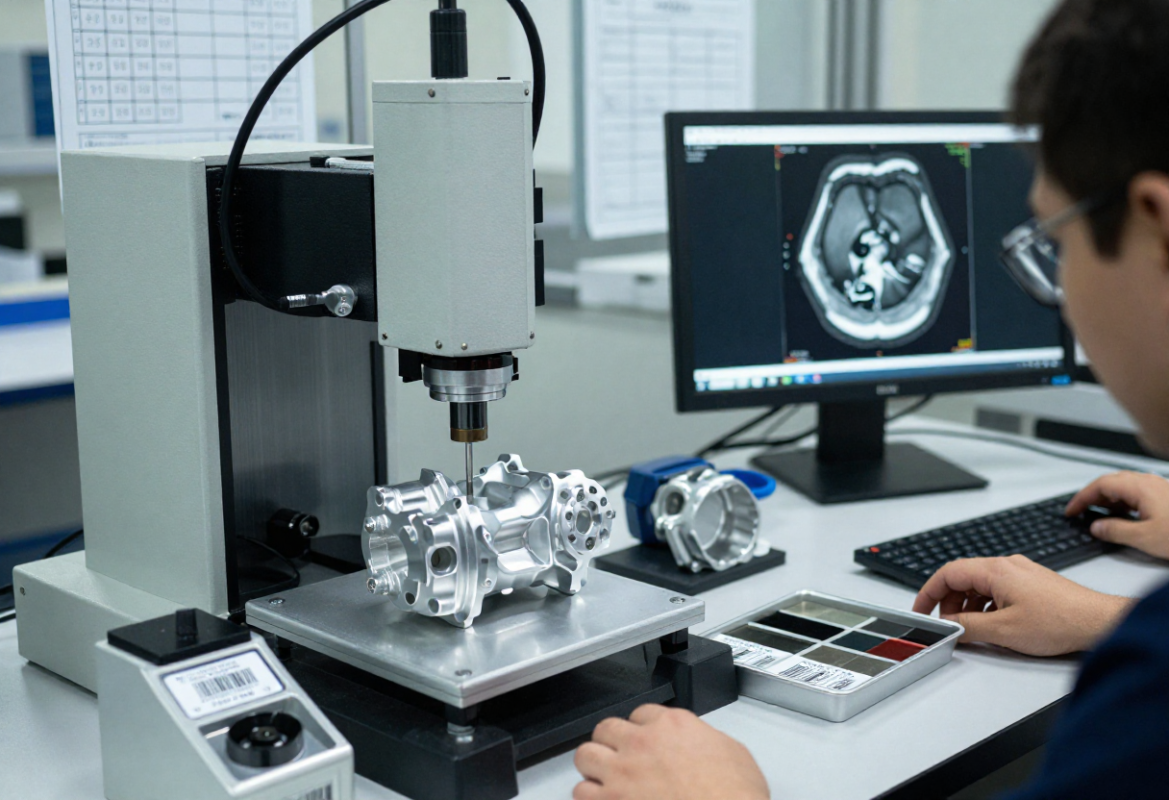
We produce high‑quality aluminum and zinc die cast components engineered for strength, dimensional accuracy and surface finish. Our services include die design, vacuum and pressure casting, porosity reduction, secondary CNC machining, and full finishing — ideal for automotive, power electronics, lighting, and industrial hardware.

  • Aluminum (ADC12, A380, A356) and Zinc (Zamak 3/5/8) alloys
  • Vacuum/low‑pressure casting for low porosity and high integrity
  • Tooling, secondary CNC machining, plating, anodize, and assembly

Aluminum Castings

Lightweight, thermally conductive housings and brackets.

Vacuum & Low‑Pressure

Reduced porosity for structural and pressure‑bearing parts.

CNC Finishing

Machined features, tapped holes and precision faces.

What We Make

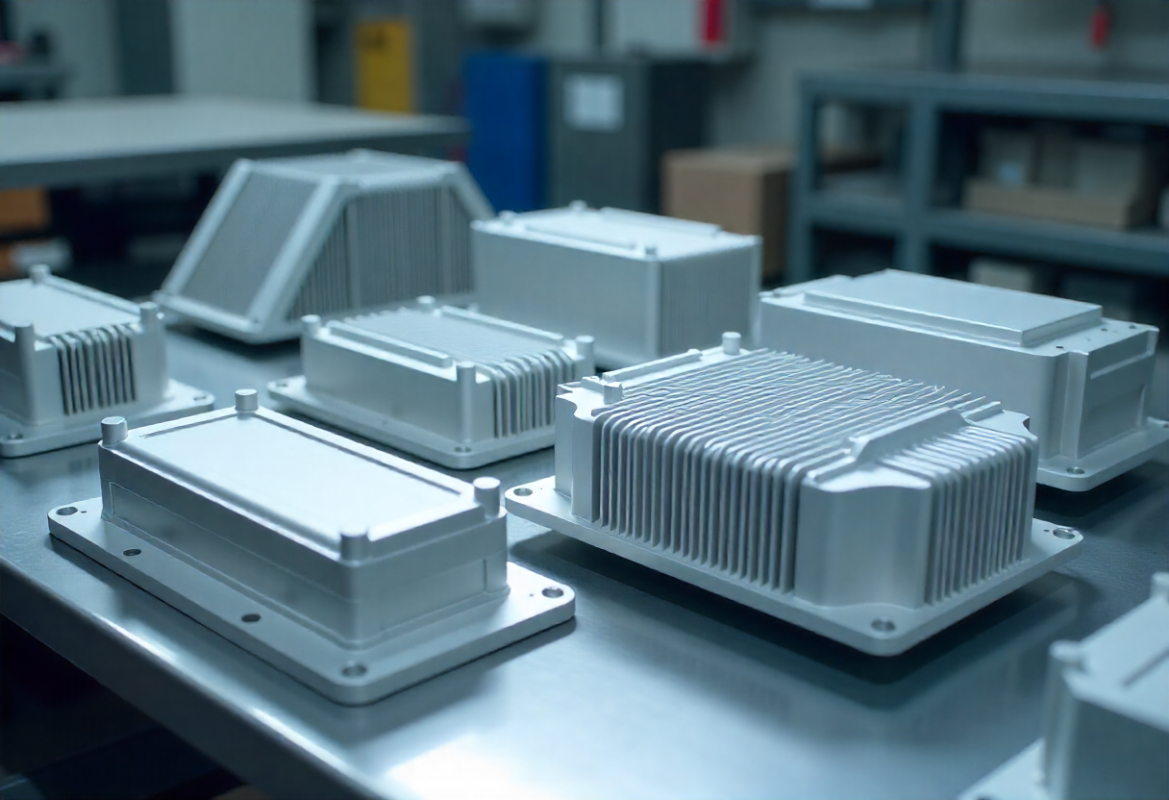
Aluminum Die Cast Housings & Enclosures

Aluminum Die Cast Housings & Enclosures

Thermally conductive chassis, enclosures and mounting brackets for power electronics and LED lighting — optimized for weight, stiffness and thermal paths.
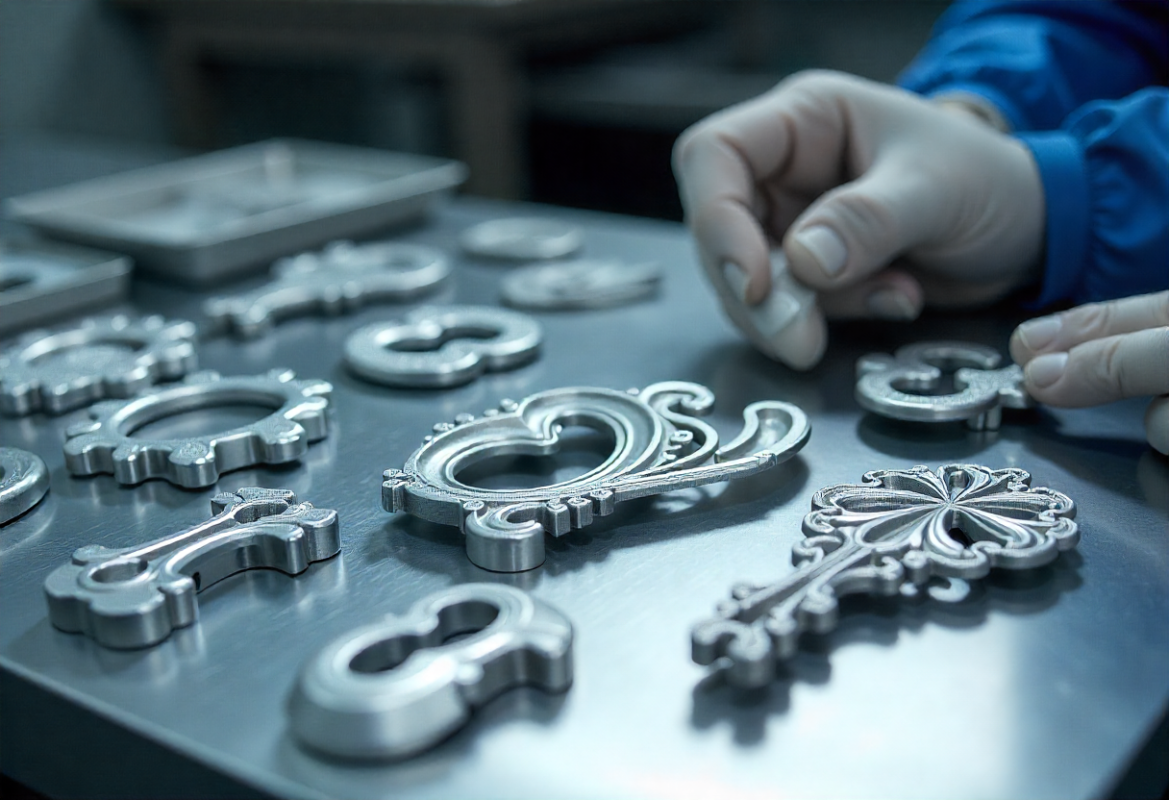
Zinc Die Cast Components

Zinc Die Cast Components

High‑precision zinc parts for decorative trims, small structural components and complex geometries with excellent surface finish for plating.
Zinc Die Cast Components

Custom Pressure‑Bearing & Structural Parts

Valve bodies, pump housings and structural brackets requiring low porosity, mechanical strength and consistent dimensional control.

Alloys & Material Selection

We commonly use aluminum alloys (ADC12 / A380 for general die casting, A356 for higher strength/heat treatability) and zinc alloys (Zamak family). Alloy selection is guided by mechanical loads, thermal conductivity, finishing requirements and corrosion environment.

Material guidance

Aluminum for lightweight thermal housings; zinc for fine detail and plated cosmetic parts. We provide recommendations for alloy, temper and post‑cast heat treatment to meet your application needs.
Alloys & Material Selection
Aluminum Extrusions

Die Casting Processes

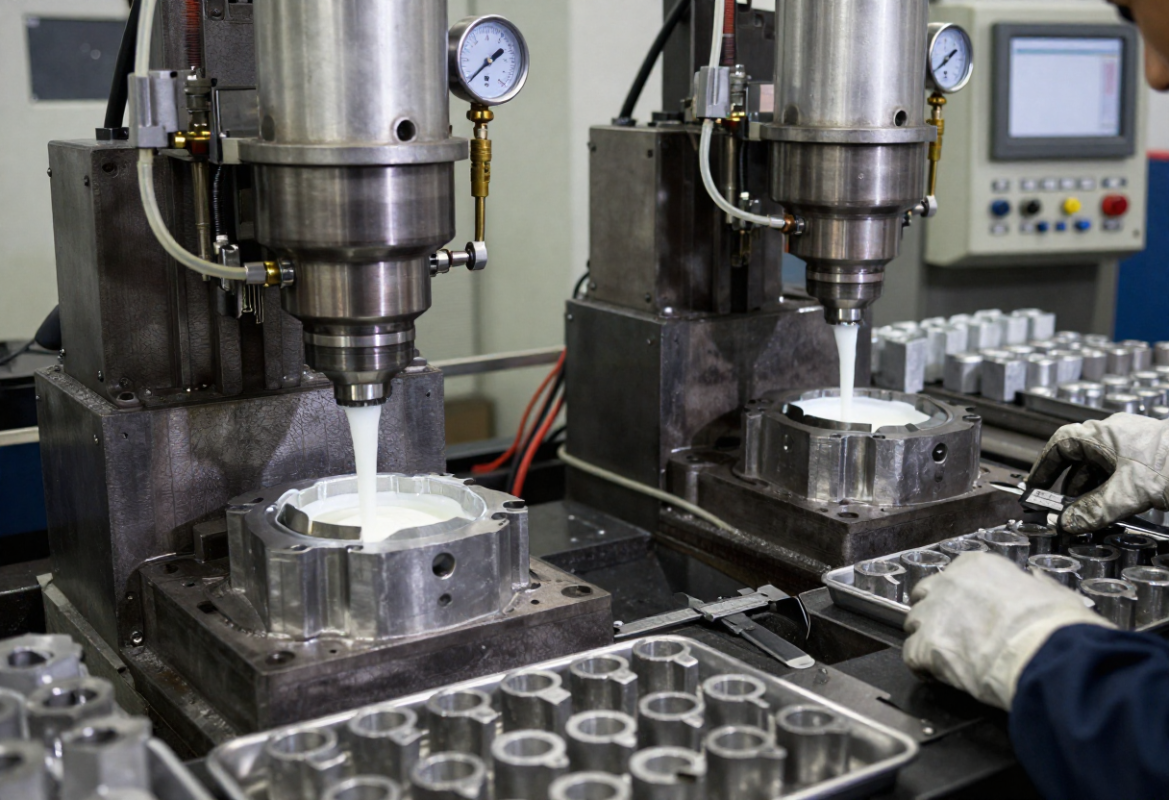
We support hot‑chamber and cold‑chamber die casting depending on alloy and part size. For high‑integrity parts we offer vacuum assisted casting and low‑pressure techniques to minimize gas porosity and improve mechanical properties.

Process options

  • High‑pressure cold‑chamber die casting (aluminum)
  • Hot‑chamber die casting (zinc alloys)
  • Vacuum/low‑pressure casting to reduce trapped gas
  • Controlled fill and controlled solidification for directional feed

Tooling & Die Engineering

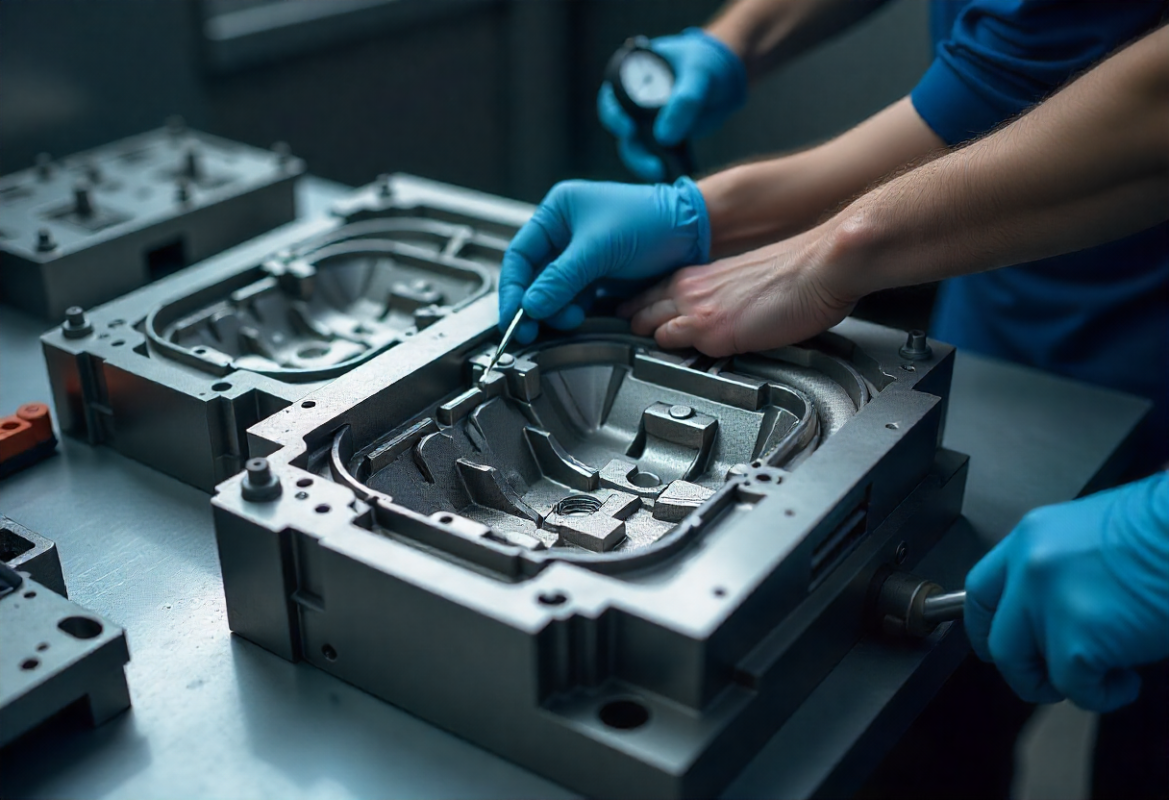
Tool design includes gating, runner optimization, venting, cooling circuits and vent placements to control shrink, porosity and fill patterns. We design for tool life and maintenance with trials to validate fill and ejection.

Tool life & cavities

Hardened tool steels and optimized cooling extend tool life. Single to multi‑cavity tooling based on volumes and part geometry — we advise on cavity count tradeoffs during costing.
Tooling & Die Engineering
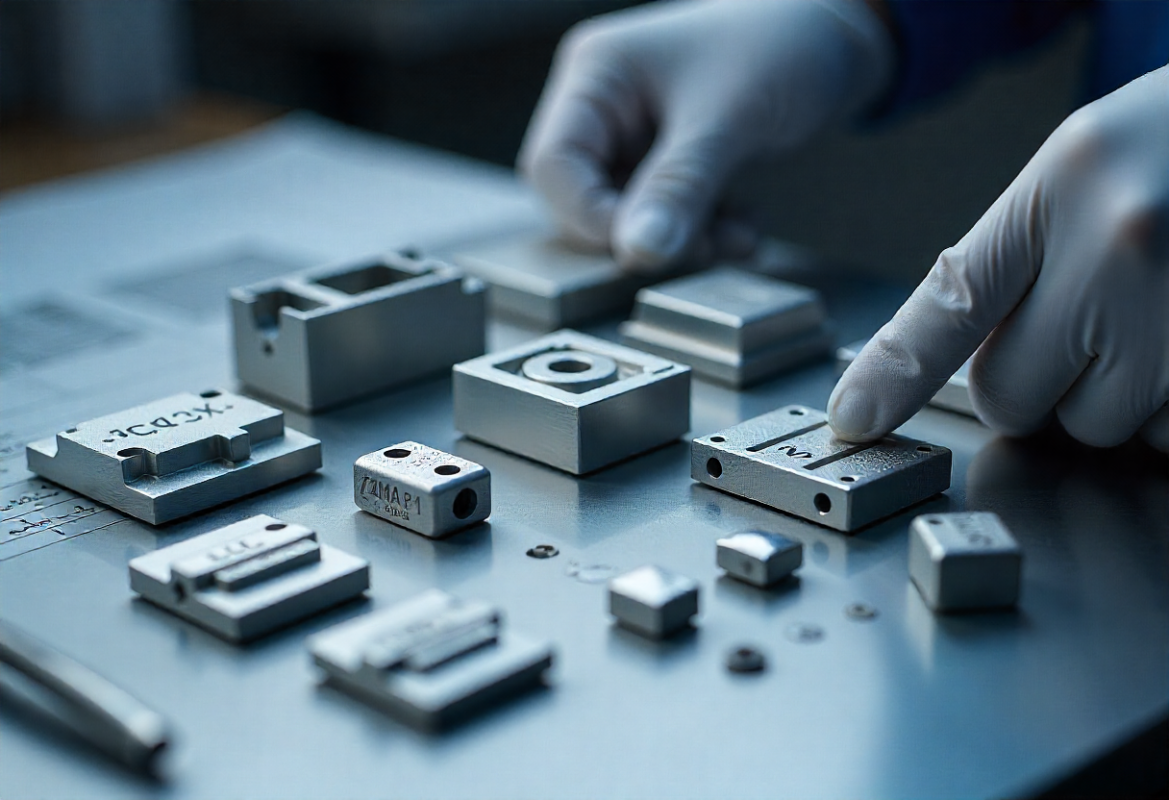
Secondary Machining & Assembly

Secondary Machining & Assembly

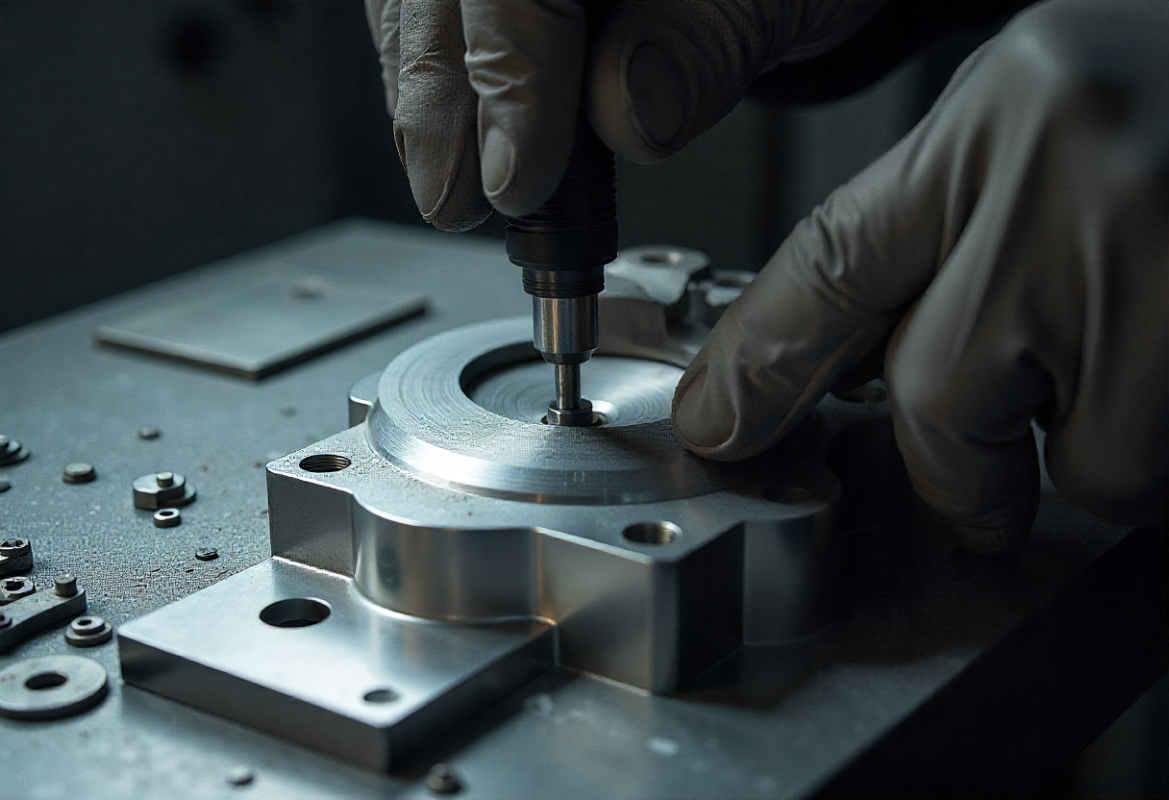
After casting, parts are deburred, stress‑relieved and can be CNC machined for critical faces, tapped threads, boss features and press fits. We perform EDM, hole re‑aming, counterboring and precision flat machining to achieve production tolerances.

Assembly services

Insert installation, thread‑locking, sealing, and subassembly with fasteners or thermal interfaces as required by the finished product.

Surface Finishing & Coatings

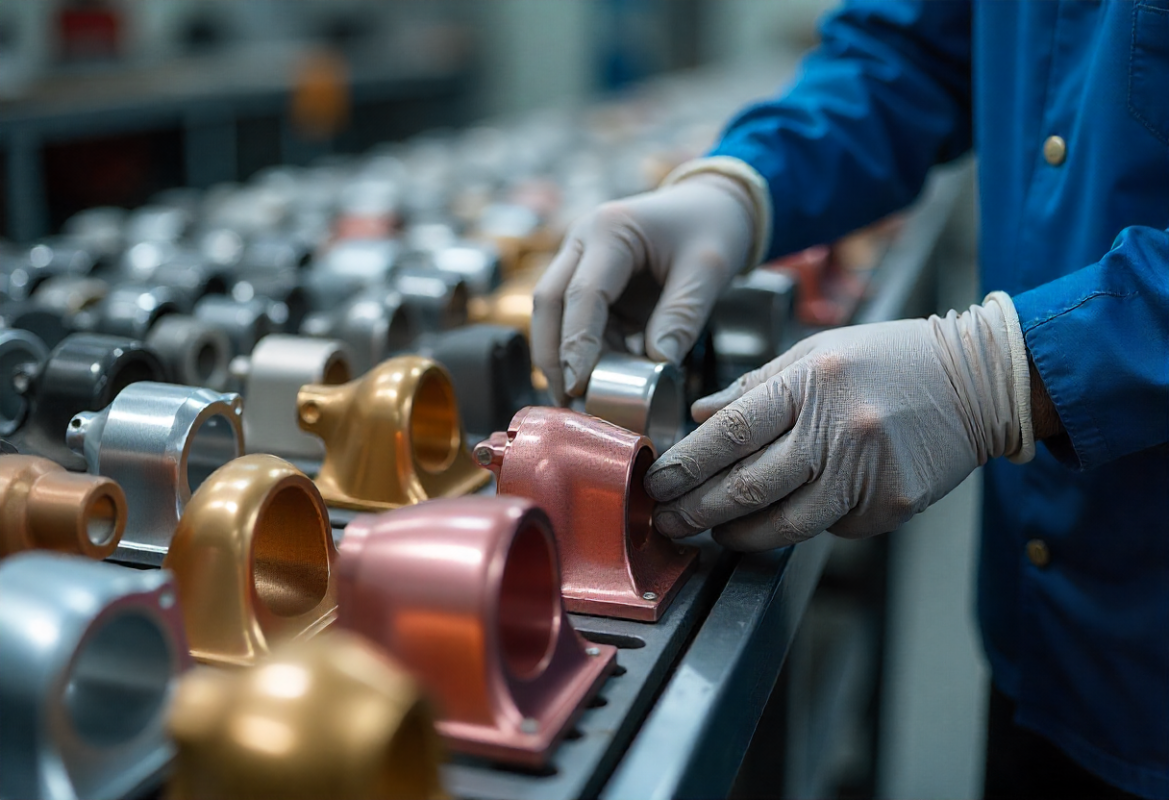
We deliver cosmetic and functional finishes including anodizing (after machining for aluminum), powder coating, wet painting, electroless nickel, nickel/chrome plating for zinc, and conversion coatings for corrosion protection.

Functional coatings

Thermal coatings, corrosion inhibitors, anti‑fingerprint and electrical isolation coatings available depending on end use and regulatory needs.
Surface Finishing & Coatings

Typical Specifications & Design Guidelines

Design guidance to reduce porosity, facilitate fill and minimize shrink: uniform wall thickness, proper rib/ boss design, and adequate gating/venting strategies.

Wall Thickness

1.5 — 6.0 mm typical (dependent on part size & alloy)

Draft Angles

0.5° — 2.0° recommended for vertical faces

Shrink

Aluminum: ~1.2% — 1.5%; Zinc: ~0.4% — 0.6% (design for shrink during tooling)

Size Range

Small precision parts to large housings; press size and shot weight determine part max envelope

Parameter Range Notes
Alloys ADC12, A380, A356 (Al); Zamak 3/5/8 (Zn) Selected by strength, thermal, and finishing needs
Typical tolerances ±0.15 mm — ±0.5 mm (post-cast); ±0.02 mm — ±0.05 mm (after CNC finishing) Tolerances depend on feature and secondary machining
Porosity control Vacuum/low-pressure casting Recommended for pressure bearings and structural parts
Lead time Tooling 6–14 weeks; prototypes shorter with soft tooling Depends on complexity & cavity count
Quality, Inspection & Traceability

Quality, Inspection & Traceability

We perform dimensional inspection (CMM), X‑ray/CT scanning for porosity on critical parts, hardness testing, metallurgical analysis and full material traceability. Our process control includes SPC, lot traceability and FAI/PPAP for regulated industries.

Non‑destructive testing

X‑ray or CT scanning to detect internal porosity, pressure testing for housings, and helium leak tests when required.

Applications

Automotive & EV

Automotive & EV

Powertrain housings, gearbox covers, sensor mounts and structural brackets with automotive quality controls.

Power Electronics & Energy

Power Electronics & Inverters

Thermal enclosures, busbar supports and conductive housings for heat dissipation and EMI control.

mothxerboard

Lighting & Consumer Hardware

Die cast light housings, heatsink‑integrated parts and plated cosmetic trims.
Representative Projects

Aluminum Housing for EV Inverter

Aluminum Housing for EV Inverter

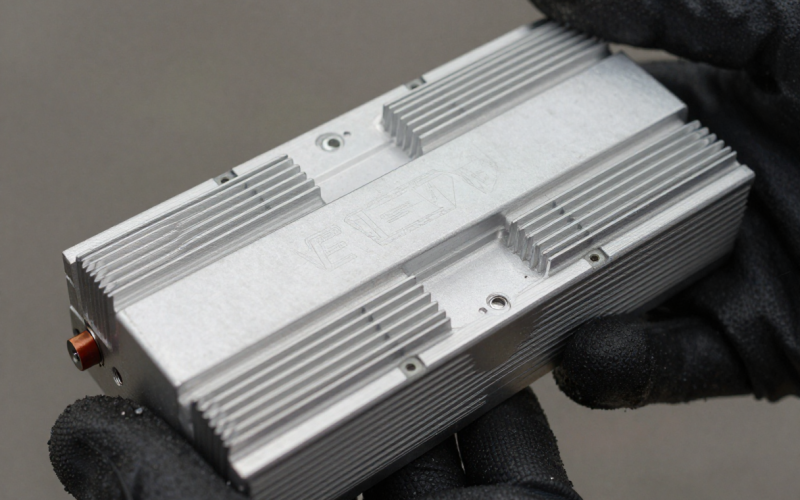
Vacuum die casting plus CNC finishing produced low‑porosity housing with machined sealing faces and integrated cooling fins; passed leak and vibration testing for automotive release.
Zinc Decorative Trim for Consumer Product

Zinc Decorative Trim for Consumer Product

High‑detail zinc casting with nickel plating and secondary polishing for premium surface finish and durability.

Frequently Asked Questions

When should I choose vacuum die casting?
Choose vacuum or low‑pressure casting when internal porosity affects pressure sealing, mechanical strength or fatigue life. Vacuum casting reduces trapped gas and improves integrity.
Yes — we provide CNC finishing for critical faces, tapped holes, precision bores and assembly features to achieve production tolerances.
Aluminum anodize, conversion coatings and appropriate paint/powder coatings provide corrosion protection for aluminum; zinc commonly receives nickel/chrome plating for corrosion and cosmetic needs.

Start Your Die Casting Project

Upload drawings or STEP files and specify target volumes and finish requirements. We’ll return tooling recommendations, porosity mitigation options and a prototype schedule — typically within 24 business hours.
We make it fast, easy, and risk-free to get started.
Get Free Quote in 30 Minutes

All uploads are secure and confidential

Samples in 1 day, $50-200 fee refunded on 100+ units
Get a Quote in 30 Minutes
All uploads are secure and confidential.