CNC Machining Services
- ±0.005" Standard Tolerance
- ISO 9001 Certified
- Duties Paid — DDP Worldwide Shipping

NDA available before upload — files are secure and confidential
CNC Machining Capabilities
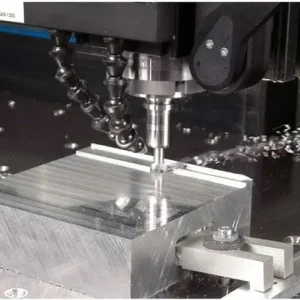
CNC Milling
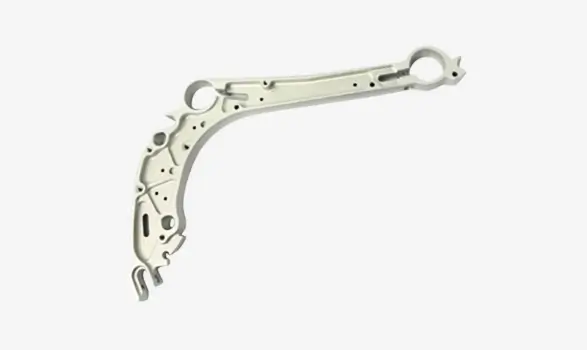
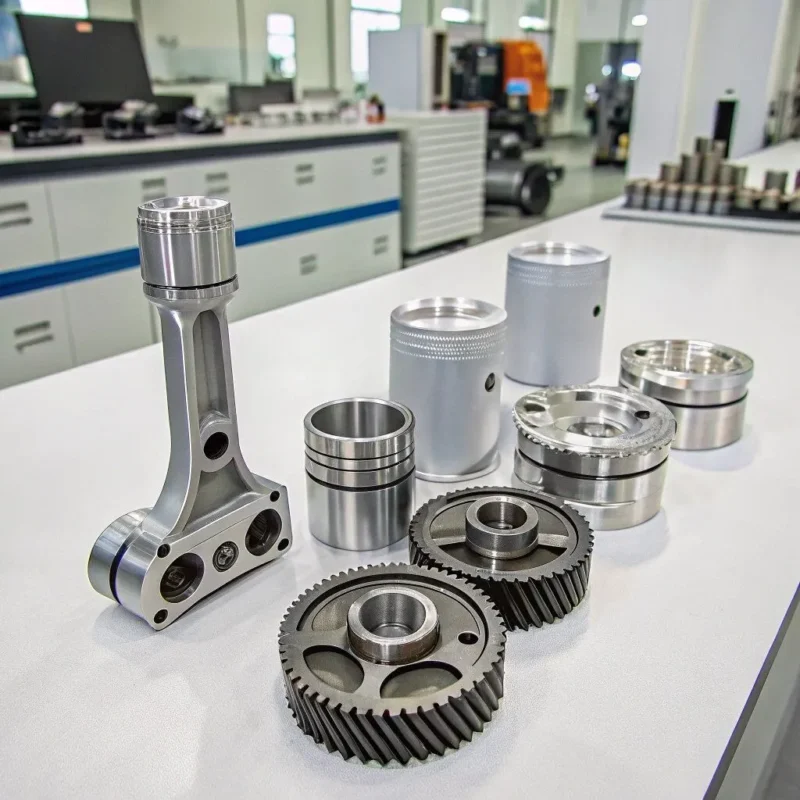
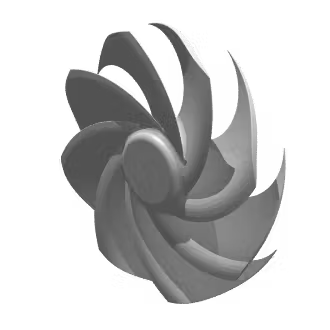
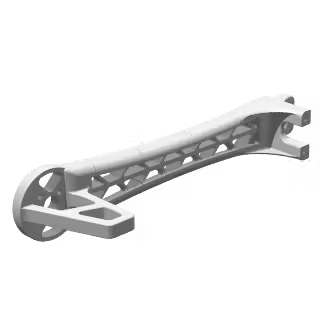
3-axis for prismatic parts. 5-axis simultaneous for complex contoured surfaces and parts that need to stay in one setup — fewer setups, fewer opportunities for error.
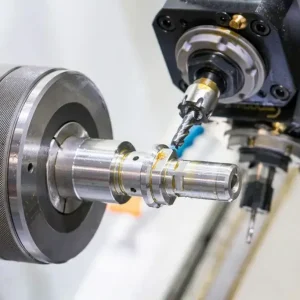
CNC Turning & Mill-Turn
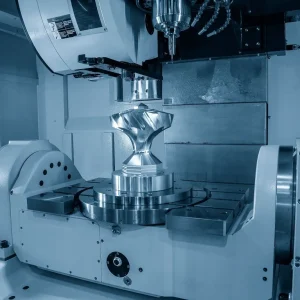
5-Axis CNC Machining
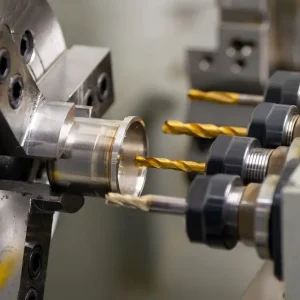
Swiss CNC Machining
CNC Machining Tolerances
| Feature | Description |
|---|---|
| Maximum Part Size | Milled parts up to 80″ × 48″ × 24″ (2,032 × 1,219 × 610 mm). Lathe parts up to 62″ length and Ø32″ diameter. |
| Standard Lead Time | Prototypes in 2–5 business days. Production orders typically 2–4 weeks. Rush available on request. |
| General Tolerances | Metals held to ±0.005″ (±0.127 mm) per ISO 2768-f. Plastics to ±0.010″ per ISO 2768-m unless otherwise specified. |
| Precision Tolerances | Sub ±0.001″ tolerances available per your drawing specifications and GD&T callouts. |
| Minimum Feature Size | 1.0 mm (0.040 in). May vary depending on part geometry and material. |
| Threads & Tapped Holes | All standard metric and imperial thread sizes. Custom threads require a drawing callout. |
| Edge Condition | Sharp edges broken and deburred by default. |
| Surface Finish | As-machined, Ra 1.6 µm (63 µin) or better. Additional finishes available at quoting. |
| GD&T | Accepted — call out on your 2D drawing. |
| Minimum Order Quantity | No minimum order quantity. |
Materials
150+ materials available including metals and engineering plastics. Common options listed below — contact us if your material isn’t listed.
Aluminum — 6061, 7075, 6063, 5052, 2024
6061-T6 is the most commonly machined aluminum alloy. 7075-T6 offers higher tensile strength with reduced ductility. 6063 machines cleanly and anodizes well. 2024-T4 has high fatigue resistance but lower corrosion resistance than 6061.
Common for: aerospace structures, heat sinks, enclosures, robotics frames, consumer electronics.
Advantages: lightweight, excellent machinability, good strength-to-weight ratio, anodizes well.
Stainless Steel — 303, 304, 316, 17-4PH
303 adds sulfur for free-machining at the cost of corrosion resistance. 304 is the standard austenitic grade. 316/316L adds molybdenum for improved chloride resistance. 17-4PH is a precipitation-hardened martensitic grade with high tensile strength.
Common for: medical instruments, food equipment, marine hardware, chemical processing components.
Advantages: corrosion resistant, hygienic, passivates well, good strength at elevated temperatures.
Brass — C360, C260, C230
C360 has the highest machinability rating of any copper alloy. C260 and C230 are lead-free grades with slightly lower machinability but suitable for potable water contact.
Common for: valves, fittings, connectors, electrical terminals, plumbing components.
Advantages: excellent machinability, good electrical conductivity, naturally corrosion resistant.
Copper — C110, C101 OFHC
C110 is 99.9% pure copper with the highest electrical and thermal conductivity of any commercially machined metal. C101 OFHC (oxygen-free high-conductivity) has controlled oxygen content below 0.001%.
Common for: bus bars, heat sinks, RF shielding, electrical contacts, cold plates.
Advantages: highest electrical and thermal conductivity of common machinable metals.
Titanium — Grade 2, Ti-6Al-4V (Grade 5)
Ti-6Al-4V (Grade 5) is an alpha-beta alloy with high strength-to-weight ratio and good machinability relative to other titanium grades. Grade 2 is commercially pure titanium. ELI grade has tighter interstitial element limits for biocompatibility.
Common for: orthopedic implants, aerospace brackets, marine fasteners, surgical tools.
Advantages: high strength-to-weight ratio, biocompatible, excellent corrosion resistance.
Carbon & Alloy Steel / Inconel — 1018, 4140, 4340, 625, 718
4140 and 4340 are heat-treatable chromium-molybdenum alloy steels. H13 and O1 are tool steels machined in annealed condition and heat-treated post-machining. Inconel 625 and 718 are nickel superalloys — work-harden rapidly, require slow feeds and sharp carbide tooling.
Common for: shafts, gears, mold tooling, oil & gas components, high-temperature aerospace parts.
Advantages: high strength, heat-treatable, Inconel withstands extreme temperature and corrosion.
ABS
Polycarbonate. Highest impact strength of common engineering plastics. Optically clear in natural form. More difficult to machine than ABS — prone to stress cracking if feeds and speeds are not controlled.
Common for: sight glasses, light covers, electrical housings, safety shields.
Advantages: optical clarity, high impact strength, good electrical insulation.
PC (Polycarbonate)
Polyamide (PA6 / PA66). Good mechanical strength and wear resistance. Absorbs moisture — dimensional change of 0.5–3% depending on grade and humidity. PA66 has higher stiffness and heat resistance than PA6.
Common for: gears, bushings, structural brackets, wear pads, cable management.
Advantages: good wear resistance, high strength, self-lubricating properties.
Nylon (PA6 / PA66)
Good strength and wear resistance for gears, bushings, and structural parts. Moisture absorption causes dimensional change — critical on tight-tolerance features. Specify PA66 for higher stiffness.
Common for: gears, bushings, structural brackets, wear pads, cable management.
Advantages: good wear resistance, high strength, self-lubricating properties.
POM / Delrin
Polyoxymethylene (Delrin / Acetal). One of the easiest engineering plastics to machine. Very low moisture absorption (<0.2%), excellent dimensional stability. Self-lubricating due to inherently low surface energy.
Common for: gears, cams, bushings, food-contact components, precision sliding parts.
Advantages: low friction, excellent dimensional stability, FDA-compliant grades available.
PEEK
Polyether ether ketone. Continuous service temperature to 250°C. Resistant to most organic and inorganic chemicals. Available in natural, glass-filled (GF30), and carbon-filled (CF30) grades. Requires sharp carbide tooling and controlled cutting parameters.
Common for: orthopedic implants, semiconductor components, aerospace structural parts, chemical equipment.
Advantages: highest temperature resistance of machinable plastics, chemically inert, biocompatible.
PTFE
Polytetrafluoroethylene. Chemically inert to virtually all substances. Coefficient of friction 0.04 — lowest of any solid material. Continuous service to 260°C. Soft and prone to creep under load — requires careful clamping and support during machining.
Common for: seals, valve seats, chemical liners, laboratory equipment, electrical insulation.
Advantages: chemically inert to nearly all substances, lowest friction coefficient available.
Silicone
Silicone rubber. Service temperature range -60°C to 220°C. Available in medical-grade (USP Class VI) formulations. Difficult to machine due to elasticity — typically cut with sharp tooling at high speed with minimal feed pressure.
Common for: medical seals, gaskets, custom prototypes, flexible components.
Advantages: flexible across a wide temperature range, biocompatible, good chemical resistance.
Acrylic / PMMA, PVC, UHMWPE, HDPE, PPS, ULTEM
Acrylic (PMMA) has optical clarity and good UV resistance but low impact strength. UHMWPE has extremely high wear resistance and low friction. HDPE offers good chemical resistance and low density. PPS is semi-crystalline with continuous service to 220°C. ULTEM (PEI) has high strength at elevated temperatures up to 170°C.
Common for: display panels, wear pads, food equipment, high-temperature structural parts.
Advantages: varies by material — optical clarity (acrylic), wear resistance (UHMWPE), high heat resistance (ULTEM, PPS).
Surface Finishes
30+ finishing processes available in-house. Common options below — full list on the Surface Finishing page.
As-Machined
Default surface condition after machining. Tool marks visible. Ra typically 1.6–3.2µm depending on material and cutting parameters. Edges broken and deburred as standard. No additional cost or lead time.
Common for: internal components, fixturing, jigs, structural parts.
Benefits: no added cost, no lead time, no dimensional change.
Anodizing — Type II & Type III
Electrochemical oxidation of aluminum surface. Type II builds a 5–25µm oxide layer. Type III (hard anodize) builds 25–75µm with higher surface hardness (60–70 Rockwell C). Both coatings grow into and out of the base metal equally — account for ±half the thickness on each toleranced surface.
Common for: aerospace enclosures, consumer electronics, medical devices, heat sinks.
Benefits: corrosion resistance, color options, improved surface hardness (Type III).
Chromate Conversion Coating
Chemical reaction between the aluminum surface and chromate solution. Negligible dimensional change (<1µm). Type I (gold) and Type II (clear) available per MIL-DTL-5541. Electrically conductive — does not reduce EMI shielding performance.
Common for: aerospace structures, defense components, tight-tolerance aluminum parts.
Benefits: improves paint adhesion, negligible thickness, meets MIL-SPEC requirements.
Electroless Nickel Plating
Autocatalytic deposition of nickel-phosphorus alloy. Uniform thickness across all surfaces including internal bores — unlike electrolytic plating. Phosphorus content 4–12% affects hardness and corrosion resistance. Typical thickness 12–50µm.
Common for: hydraulic components, oil & gas parts, mold tooling, complex geometry.
Benefits: uniform coverage on complex shapes, wear and corrosion resistance.
Passivation
Acid treatment (nitric or citric) that dissolves free iron from the machined surface and allows the chromium oxide passive layer to reform. No dimensional change. Tested per ASTM A967 or AMS 2700.
Common for: surgical instruments, food equipment, pharmaceutical parts, marine hardware.
Benefits: removes free iron, restores corrosion resistance, no dimensional change.
Bead Blasting & Polishing
Glass or ceramic bead media propelled at the surface under air pressure. Produces uniform matte finish at Ra 0.8–1.6µm. Does not remove significant material — suitable for dimensional parts. Polishing achieves Ra 0.1–0.4µm through progressive abrasive stages.
Common for: cosmetic enclosures, pre-anodize prep, optical mounts, consumer products.
Benefits: uniform matte appearance, hides tool marks, improves anodize adhesion.
Black Oxide
Alkaline oxidizing solution reacts with iron in the steel surface to form magnetite (Fe₃O₄). Coating thickness <1µm — no dimensional change. Mild corrosion resistance only — requires supplemental oil or wax for outdoor or high-humidity environments. Per MIL-DTL-13924.
Common for: tooling, fasteners, firearms components, industrial hardware.
Benefits: low cost, mild corrosion resistance, no dimensional change.
Powder Coating
Dry polymer powder electrostatically applied and oven-cured at 160–200°C. Coating thickness 60–120µm. Not suitable for threaded features, precision bores, or tight-tolerance surfaces — mask or plug before coating. Available in any RAL or custom color.
Common for: enclosures, brackets, outdoor equipment, consumer-facing components.
Benefits: durable, wide color range, better impact and chemical resistance than paint.
Sand Blasting
Abrasive blasting with silica sand or aluminum oxide media. More aggressive than bead blasting — removes mill scale, rust, and heavy surface contamination. Creates a surface profile (Ra 3–12µm) that improves mechanical adhesion of coatings.
Common for: surface prep before painting, structural steel, heavy industrial parts.
Benefits: removes scale and rust, improves coating adhesion, low cost.
Brushing
Directional abrasion applied with belts, flap wheels, or scotch-brite pads in a consistent linear direction. Produces Ra 0.4–1.6µm with visible grain. Applied before anodizing to achieve a consistent satin appearance after the anodize layer.
Common for: aluminum panels, enclosures, consumer electronics, architectural components.
Benefits: hides minor defects, uniform appearance, good pre-anodize prep.
Zinc Plating
Electrodeposition of zinc onto steel substrate. Coating thickness typically 5–25µm. Sacrificial anode — zinc oxidizes preferentially over the base steel. Chromate passivation (clear, yellow, or black) applied over zinc to slow white rust formation.
Common for: medical instruments, food equipment, marine hardware, chemical processing components.
Advantages: corrosion resistant, hygienic, passivates well, good strength at elevated temperatures.
Chrome Plating
Hard chrome (functional): electrodeposited chromium 12–250µm thick. Hardness 68–72 Rockwell C. Increases part dimensions — must be ground to final size post-plate for precision fits. Decorative chrome: thin chromium layer over electroless nickel undercoat.
Common for: hydraulic rods, industrial shafts, mold tooling, automotive trim.
Benefits: excellent wear resistance, low friction, restores worn dimensions (hard chrome).
Laser Engraving
Fiber laser removes or ablates material to create permanent marks. No tooling contact or mechanical force — no distortion on thin walls. Depth 0.01–0.5mm, adjustable. Works on all metals including hardened steel and anodized surfaces. Contrast and line width controllable via power and speed parameters.
Common for: medical devices (UDI), aerospace part marking, traceability, branding.
Benefits: permanent, no dimensional change, no consumables or chemicals required.
PVD Coating
Physical Vapor Deposition in a vacuum chamber. Coating thickness 2–5µm. Available compounds: TiN (gold), TiCN (grey), TiAlN (black/grey), DLC (dark grey). Hardness 2,000–3,500 HV. Negligible dimensional change. Deposition temperature 150–500°C — confirm substrate heat tolerance before specifying.
Common for: cutting tools, mold inserts, high-wear mechanical components.
Benefits: extreme hardness, low friction, extends tool and part life significantly.
Electropolishing
Reverse electroplating — anodic dissolution removes micro-peaks from the surface preferentially. Removes 5–40µm of material. Ra typically reduced by 30–50%. Leaves a bright, passive, ultra-smooth surface. Most effective on 300-series stainless steel and aluminum.
Common for: medical implants, food processing equipment, pharmaceutical components.
Benefits: improves corrosion resistance, removes micro-burrs, easier to clean and sterilize.
More options — Nickel plating, Tin plating, Electropolishing, Silk Screen, Pad Printing — on the Surface Finishing page →
Upload your drawing — DFM review and quote in 30 minutes.
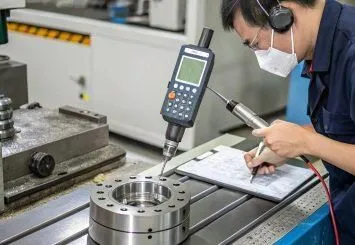
Inspection & Quality
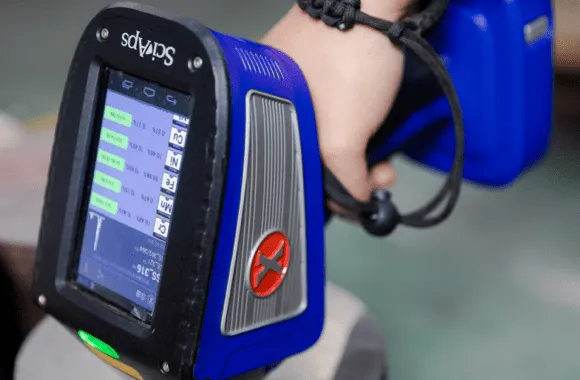
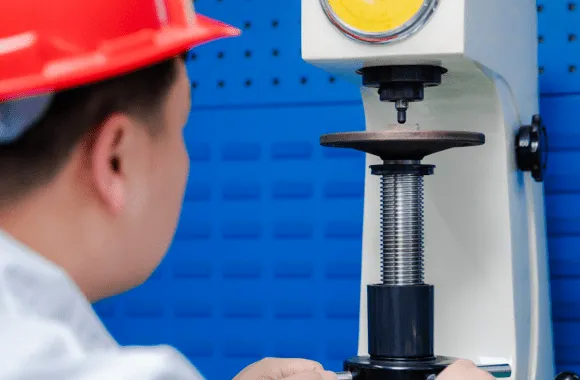
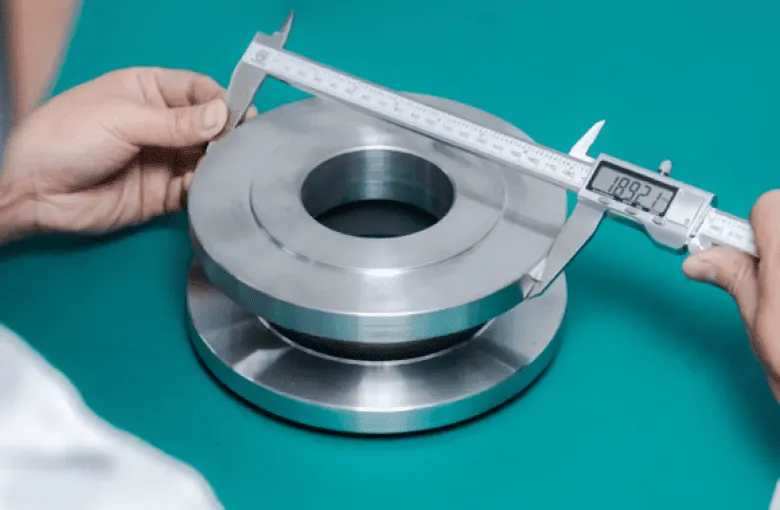
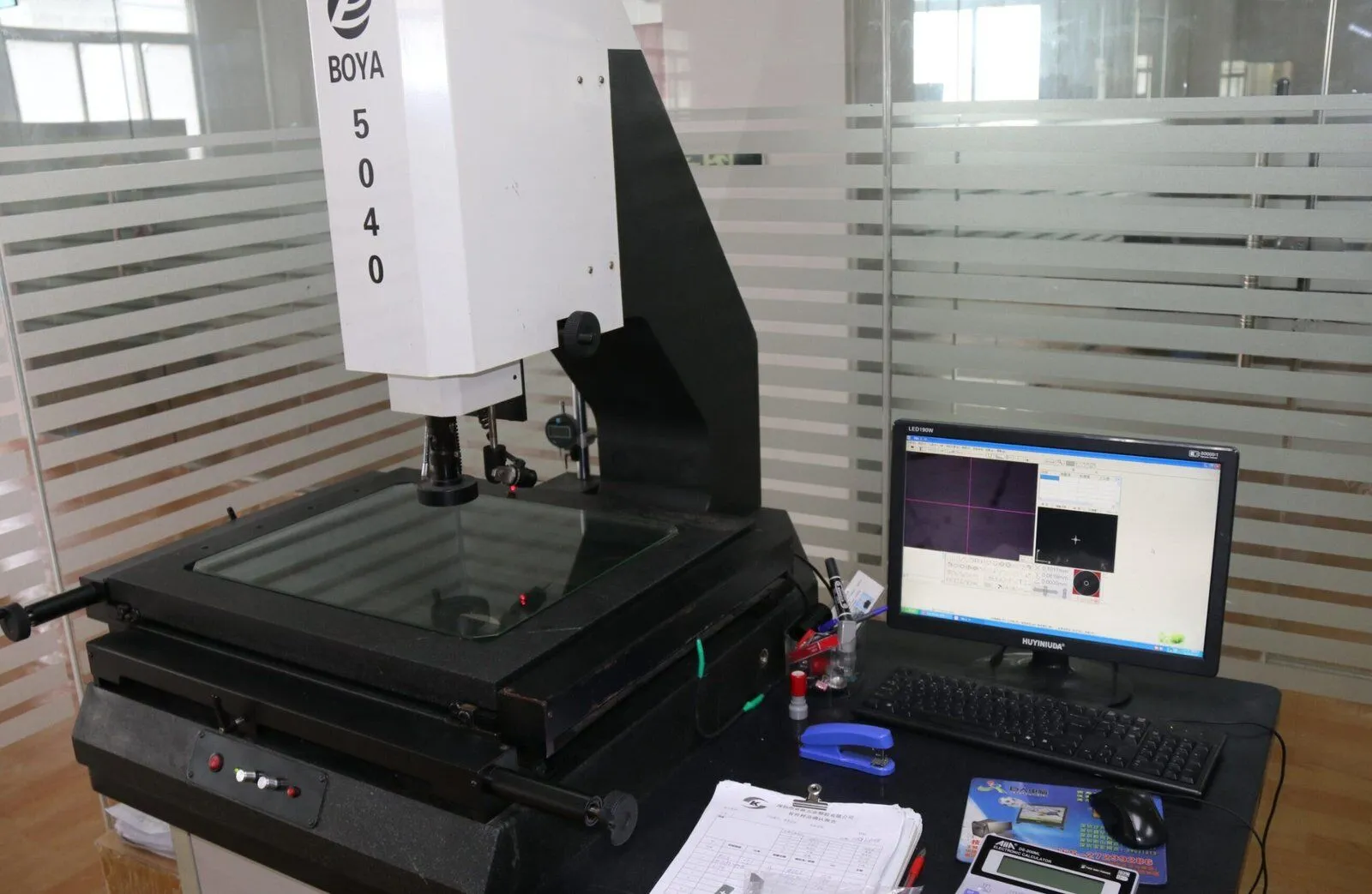
Raw material, in-process, and finished product inspection — every order.

Packaging
VCI film or foam wrap for machined metal parts
Double-walled carton with foam or divider trays
Labeled per PO, part number, and revision level
Export, freight, customs duties, and last-mile.
Ships with every production order — no request needed.
- FAI report — actual measurements vs. nominal
- COC confirming parts meet drawing specs
- Material mill certs with heat lot traceability
- PPAP and SPC reporting on request
- U.S. customs and packing documentation
Parts that don't meet your drawing ship back at our cost.
- Full refund or free rework within 48 hours
- Return shipping covered by LK Tools
- No disputes — drawing is the standard
- Applies to prototype and production orders
CNC Design Guidelines
| Feature | Description |
|---|---|
| Wall Thickness | Minimum 0.031 in (0.794 mm) for metals; 0.060 in (1.5 mm) for plastics. Heights above 4:1 ratio should include ribs for support. |
| Internal Corner Fillets | Minimum radius: 130% of the milling tool radius. Use an undercut relief groove where a sharp corner is required. |
| Floor Fillets | Keep floor fillets smaller than corner fillets. Flat-bottom floors are acceptable and simplify toolpaths. |
| Holes & Bores | Minimum diameter 1.0 mm (0.040 in). Use standard drill sizes. Depth-to-diameter ratio: 4:1 standard, 10:1 max with specified tooling. |
| Pockets & Cavities | Keep depth-to-width ratio at 3:1 or less. Deeper pockets require extended-reach tooling and add cost. |
| Undercuts | Design to standard T-slot or dovetail cutter sizes. O-ring grooves should follow AS568A dimensions. Ensure tool access from at least one side. |
| Threads & Tapped Holes | Minimum M2 or #2-56. Engagement length: 1.5× nominal diameter. Max thread depth: 2× diameter. Leave 0.5× diameter unthreaded relief at bottom of blind holes. |
| Text & Engraving | Engraved (recessed) text preferred over embossed. Minimum character height 7 mm; stroke width 0.5 mm. Specify depth on drawing. |
| Tolerances | General tolerances per ISO 2768-f. Only call out tight tolerances where function requires. Use GD&T for geometric relationships. |
| File Formats | STEP (.stp) preferred. Also accepted: IGES, DXF, DWG, SLDPRT, PDF. Include a 2D drawing with tolerance callouts, thread specs, and surface finish notes. |
Why LK Tools
Dallas-based team handles all orders. U.S.-based contact, not a factory rep across time zones.
Parts don't meet spec? Full refund or free rework within 48 hours — including return shipping.
China factory pricing with U.S. engineering support — significantly lower cost than domestic suppliers
Export, freight, U.S. customs duties, and last-mile delivery handled by us. One price, no surprise import charges.
First Article Inspection and Certificate of Conformance ship with every production order. Not an add-on.
Upload a drawing — full DFM analysis and quote in 30 minutes.
CNC Machining Applications
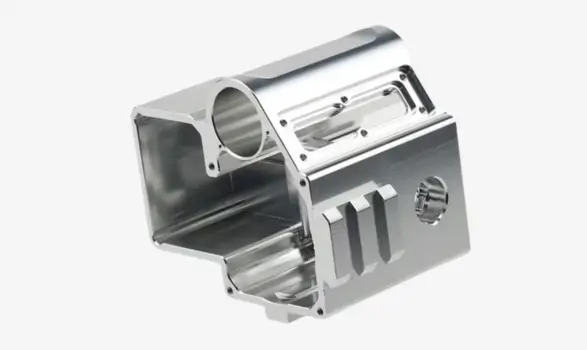
Aerospace
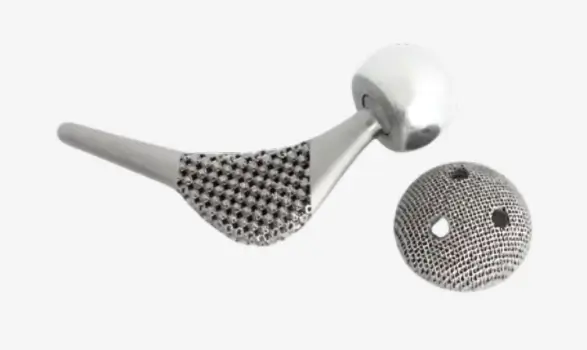
Medical Devices
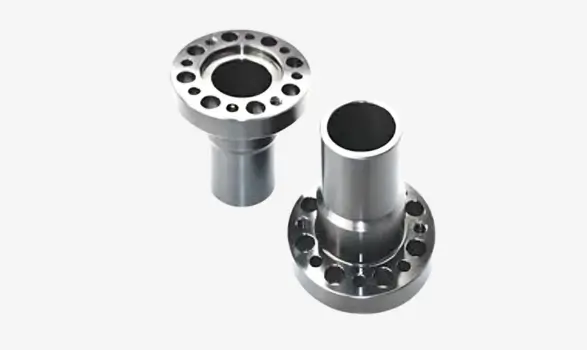
Automotive & EV
Engine parts, EV housings. Production volumes with IATF 16949 documentation on request.
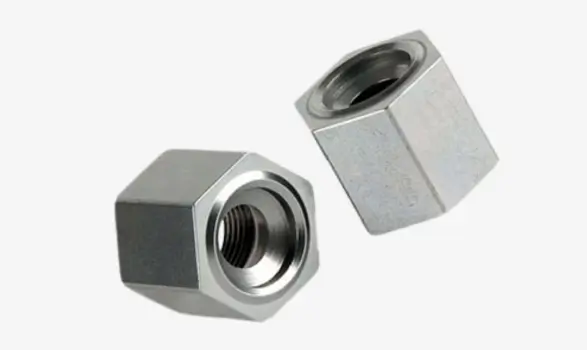
Electronics & Robotics
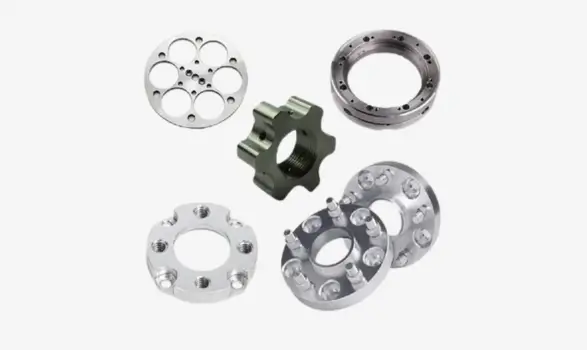
Industrial Equipment