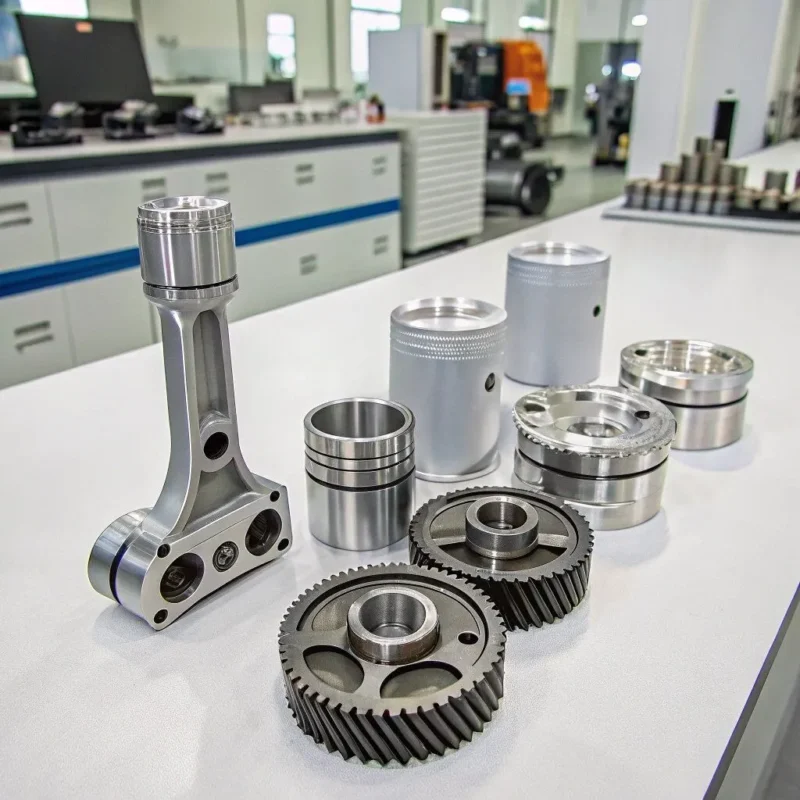
Extrusion — Aluminum Profiles, Rubber & Silicone Seals, Co‑Extrusion Tooling
We design, prototype and produce continuous profiles across aluminum, rubber, silicone and thermoplastic elastomers. Services include die engineering, mandrel and feed system design, vacuum sizing, co‑extrusion tooling, tryouts and scale‑up to hardened production dies with lifecycle support.
Typical Capabilities
Aluminum extrusion design & finishing • Rubber & silicone dies with vacuum sizing • Co‑extrusion tooling • Die tryout, mandrel polishing, coiling, cut‑to‑length & CNC post‑machining.
Materials & Common Profile Types
6061/6063 for extrusions — used for structural rails, thermal fins and housings. Consider alloy for anodize, machining and strength requirements.
Elastomers
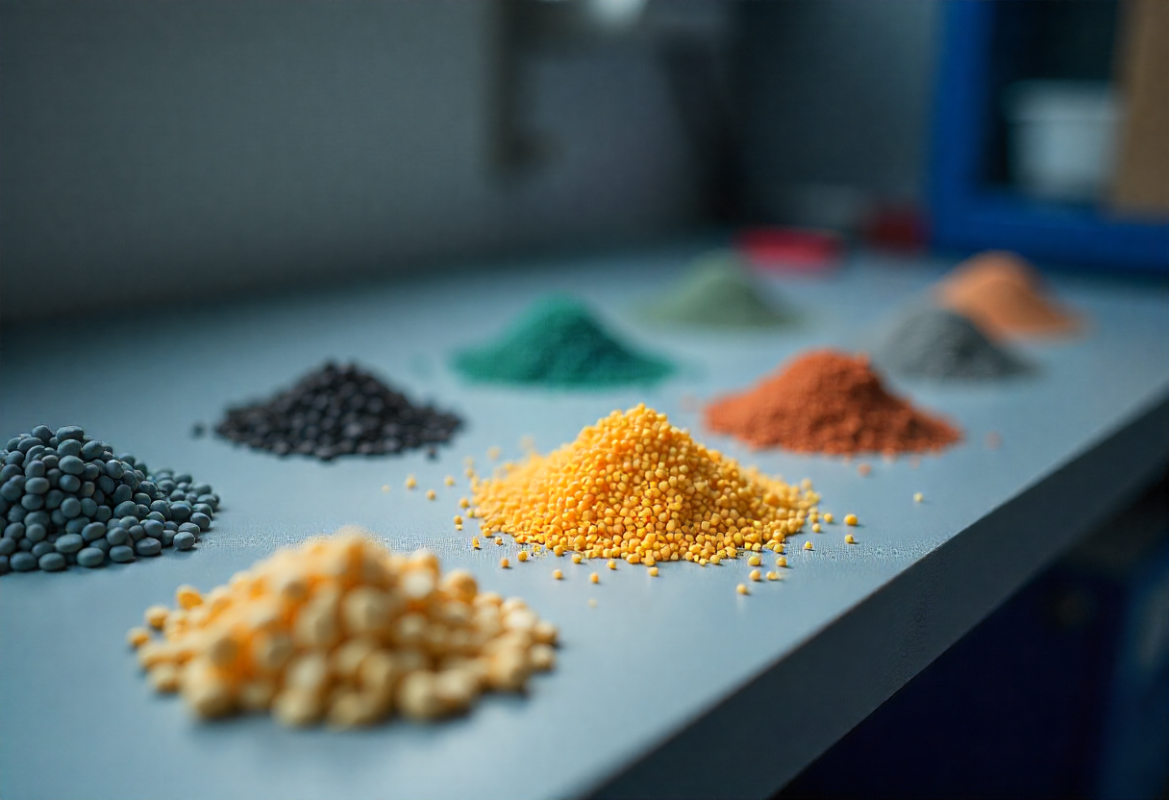
EPDM, NBR, FKM, Silicone (HCR & LSR), TPE/TPU for seals, gaskets and soft touch profiles. Choose by temp, chemical exposure and compression set.
Thermoplastics
PVC, ABS, PP, PC blends for profiles requiring color, stiffness or low cost; available for co‑extrusion with soft overmolds.
Profile considerations
- Wall thickness balance for aluminum to avoid sink and twist; uniform sections help achieve consistent extrusion flow
- Elastomer die swell and drawdown require vacuum sizing and calibrated mandrels for tight tolerances
- Co‑extrusion compatibility requires matched thermal and adhesion properties between materials
Die Engineering, Mandrels & Flow Simulation
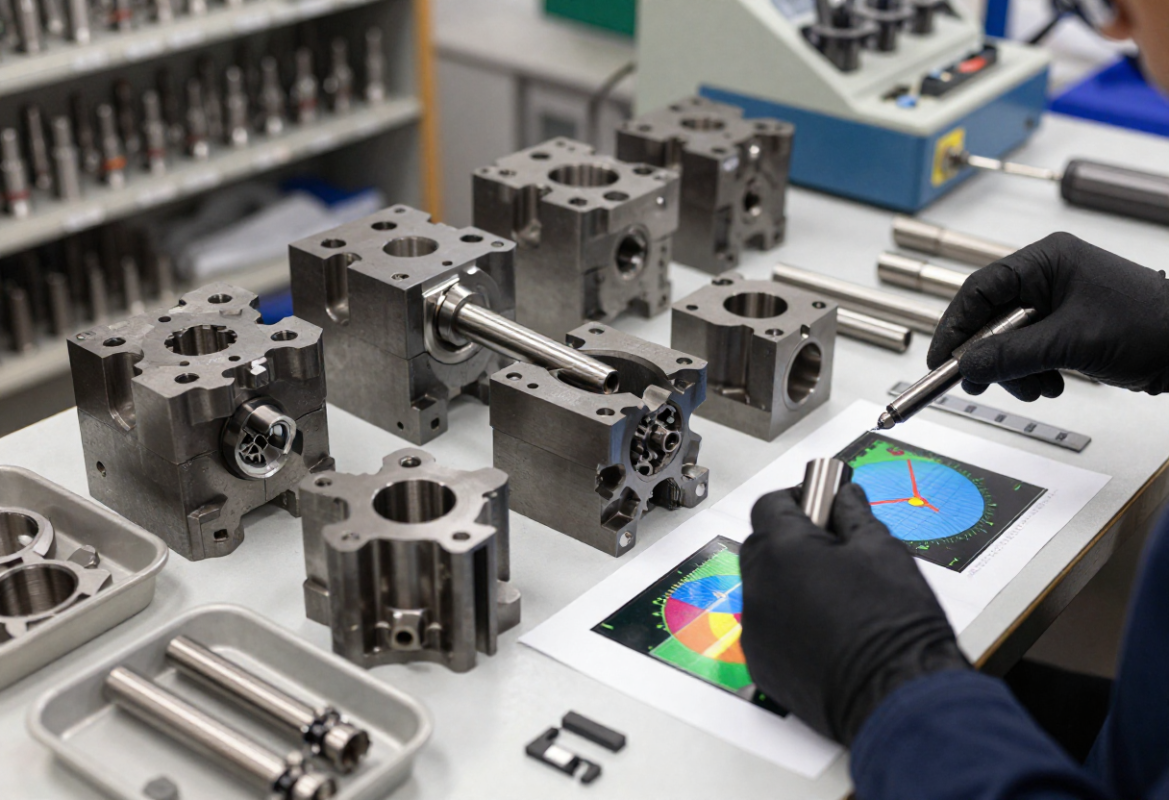
We design dies with FE/flow simulation where appropriate to predict pressure drop, fill balance and die swell. Mandrel support for hollow sections, spider designs and removable inserts reduce lead time and repair cost.
Design features
- Replaceable lands and inserts for quick repair and reduced downtime
- Mandrels and spiders for internal cavities and channel support
- Conformal cooling and polishing for aluminum dies where thermal gradients affect quality
Co‑Extrusion & Multi‑Material Profiles
Co‑extrusion bonds two or more materials in a single continuous profile — for example a soft sealing lip over a rigid carrier. We design feedblocks, flow splitters and interface geometry to ensure adhesion and control flow balance.
Common uses
- Rigid carrier + soft seal for snap‑in assemblies
- Decorative overcoats and color layers on structural profiles
- Functional multi‑durometer profiles for integrated sealing and mounting
Prototype Dies, Soft Dies & Hardened Production Dies
Prototype soft dies (aluminum or polymer) are used to validate sections and run short trials. Hardened production dies are CNC machined from tool steel, heat treated and finish polished for long life and consistent tolerance control.
Prototype Dies
2–4 week delivery for quick validation; limited life suitable for EVT/DVT and small pilot runs.
Production Dies
6–12+ weeks depending on complexity, mandrel polish and any additive manufacturing conformal features; includes QA and trial runs.
Vacuum Sizing, Calibrators & Runout Ovens
Vacuum sizing and calibrators control die swell for elastomers and silicones. For some materials we use runout ovens and controlled quench/cool sequences to lock in dimensions and physical properties.
Key systems
- Vacuum calibrator plates with adjustable ports and mandrel seals
- Water or air cooling baths for thermal stabilization
- Runout ovens and post‑cure ovens for crosslinking and final property stabilization
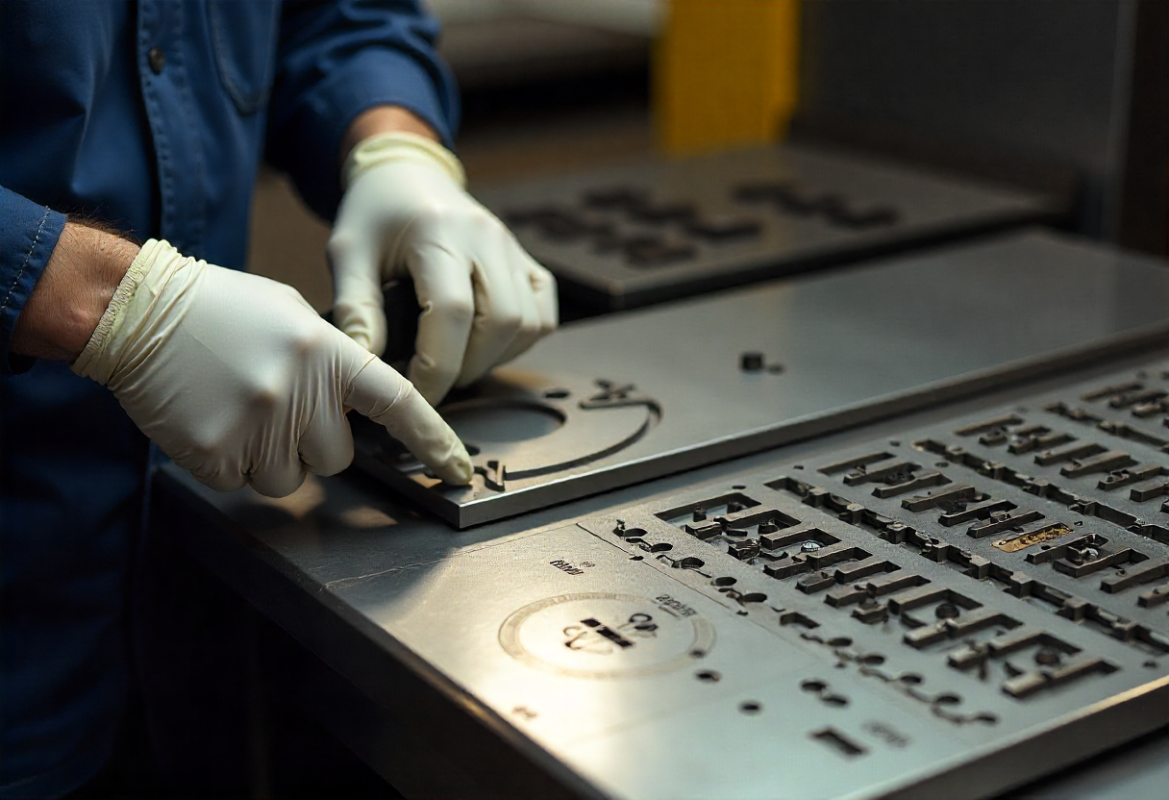
Downstream Operations — Cutting, Machining & Assembly
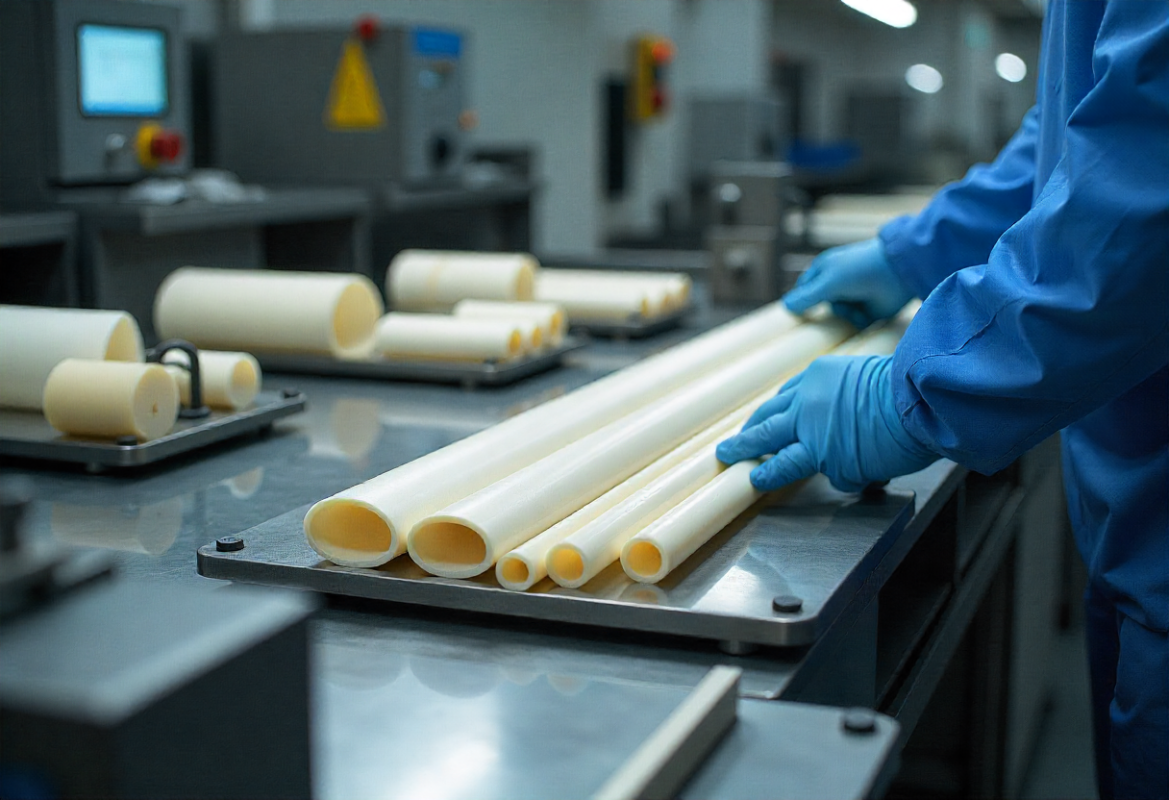
After extrusion we supply cut‑to‑length saws, CNC end‑machining, drilling, tapping, coiling/spooling, and packaging. For metal profiles we can supply anodize, powder coat and machining of sealing faces; for elastomers we provide post‑cure, trimming and automated inspection.
Automation options
- Automatic length cutting and chamfering with in‑line measurement
- CNC end‑machining and sealing face preparation for extruded rails
- Coiling, spooling, kitting and serialized packaging for assemblies
Maintenance, Spares & Rapid Repair
Planned maintenance and spare inserts protect uptime. We supply spare lands, mandrels and insert sets, plus repair services including regrinding, replating and mandrel repolish to return dies to production quickly.
Recommended program elements
- Spare inserts and mandrels for quick changeover
- Scheduled inspection by shot length or runtime
- Emergency lanes for rapid EDM/insert fabrication
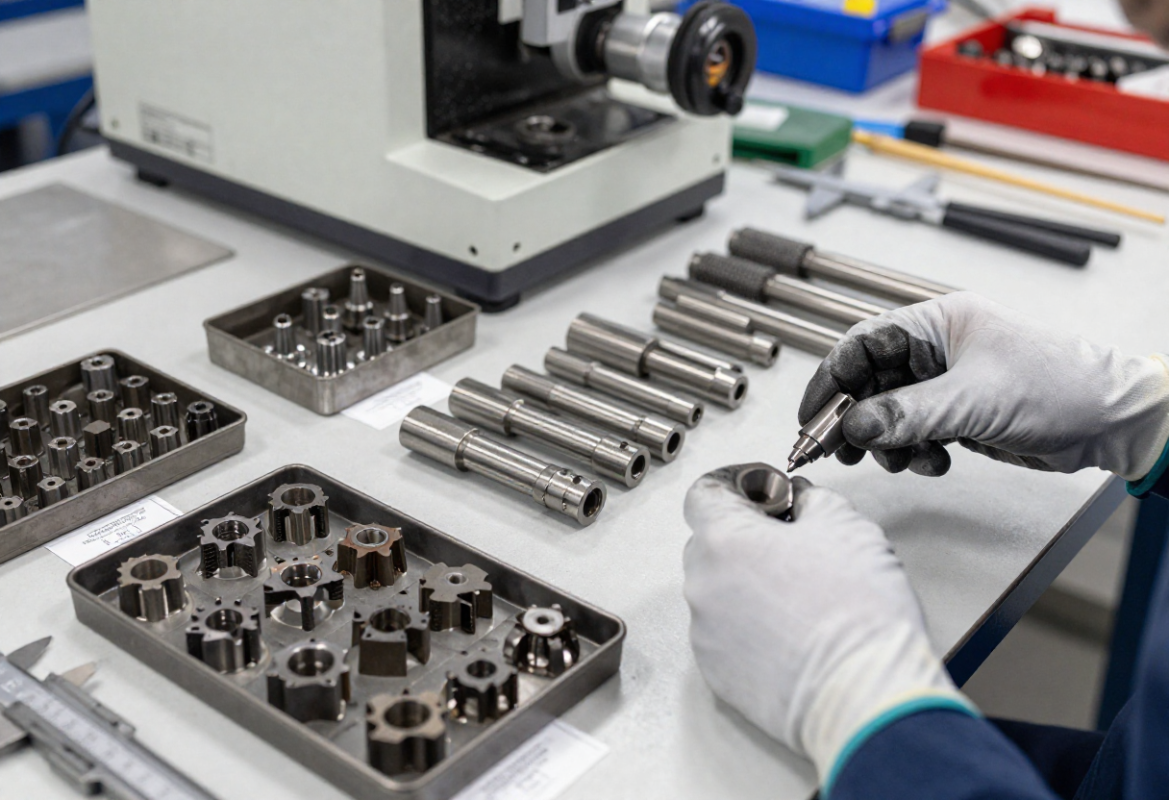
Representative Specs & Lead Times
| Item | Typical Lead Time | Notes |
|---|---|---|
| Prototype soft die | 2–4 weeks | Quick validation dies; limited life |
| Hardened production die | 6–12+ weeks | Includes polish, heat treat and QA |
| Co‑extrusion die | 8–14 weeks | Flow balancing and interface testing required |
| Die refurb / spare inserts | 1–4 weeks | Depends on plating and rework scope |
Representative Projects
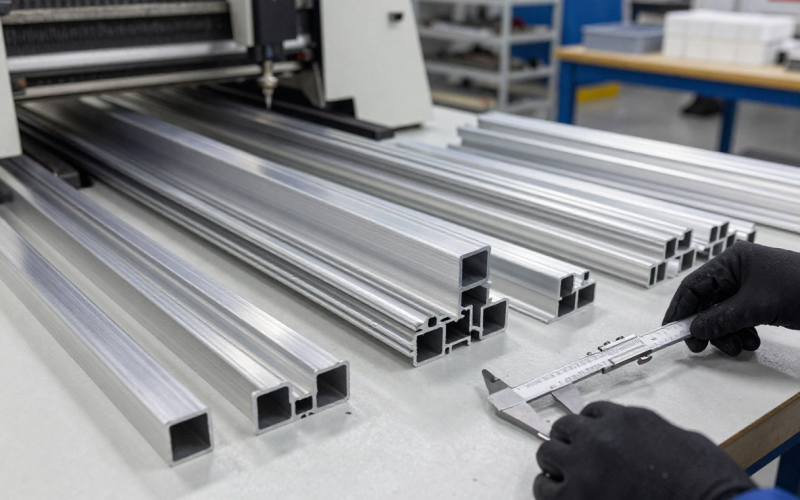
Extruded Aluminum Thermal Rail
Custom extruded thermal rail with internal coolant channel, post‑CNC machining of sealing faces and anodize finish for corrosion protection; delivered in kitted lengths.
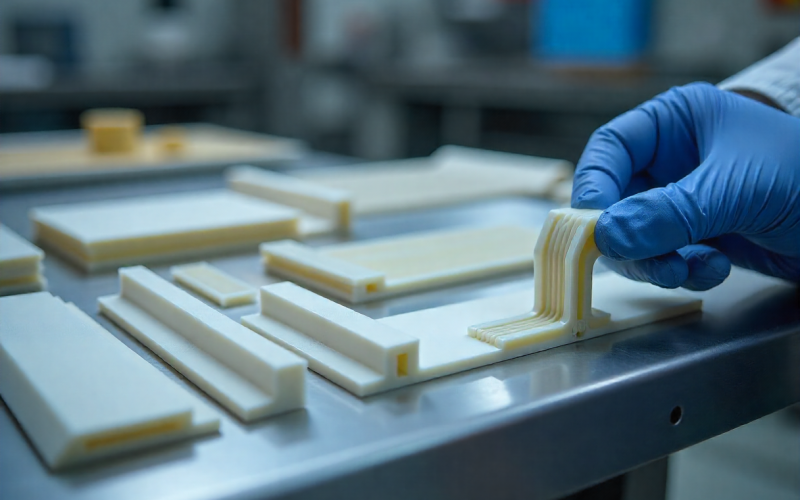
Co‑Extruded Silicone Seal on Rigid Carrier
Two‑material co‑extrusion bonding LSR silicone lip to rigid PVC carrier with vacuum sizing to control seal geometry and automated trim for high volume assembly.
Frequently Asked Questions
How do you control die swell for silicone extrusions?
We design mandrels, vacuum calibrators and tuned draw speeds, and run prototype trials to establish the final die land length and post‑extrusion drawdown. Post‑cure and oven runout parameters are used to stabilize final dimensions.
Can you co‑extrude dissimilar materials (e.g., soft onto hard)?
Yes — co‑extrusion is common to bond soft sealing lips onto rigid carriers. We validate adhesion, interface geometry and material pairings during prototyping and specify primers or mechanical undercuts if required for adhesion.
What information do you need for a die quote?
Provide a cross‑section (DXF/DWG/STEP), target material(s), tolerances, expected volumes, surface finish and any downstream operations. Photos or reference parts help accelerate the assessment.
Start Your Extrusion Project
Upload profile CAD (DXF/STEP), material choices and target volumes. We’ll return a die recommendation, prototype plan, vacuum sizing approach and lead time estimate — typically within 24 business hours.