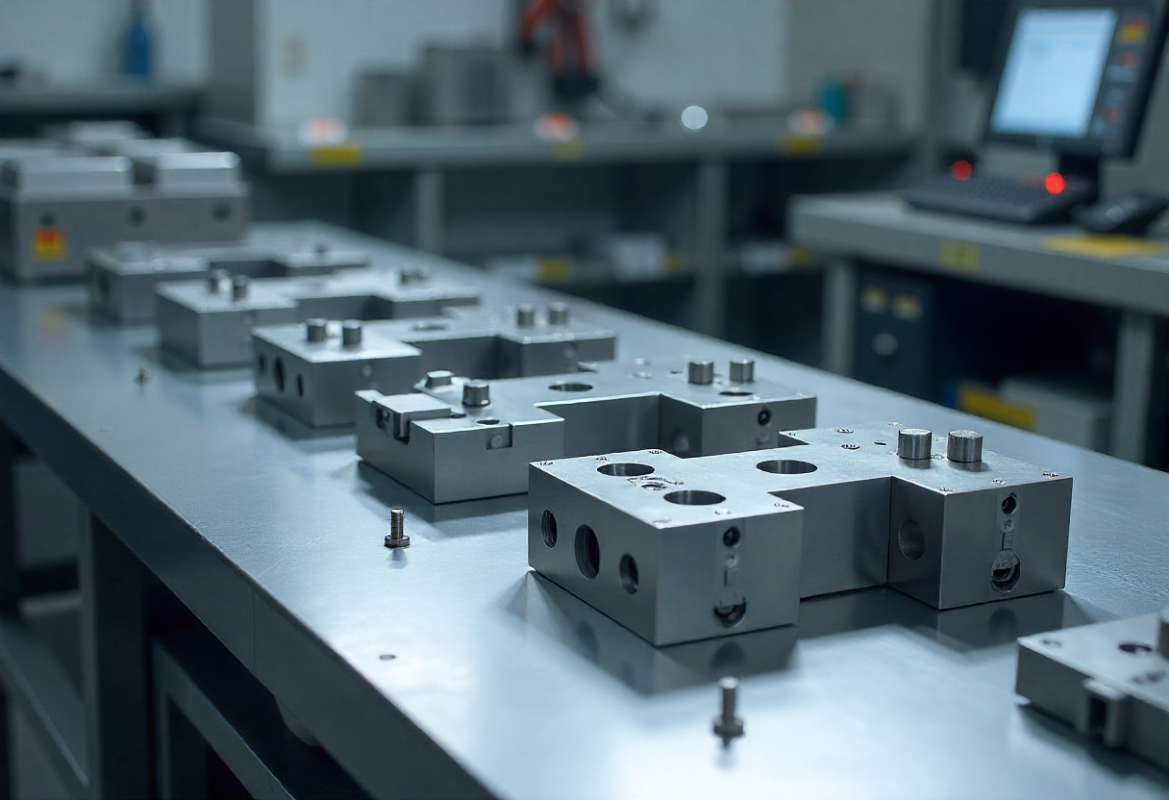

Mold Capabilities — Injection, Die Casting, LSR, Extrusion & Stamping
Detailed capabilities for prototype and production tooling. We design, build, try out and support molds and dies across multiple processes with attention to tool life, maintainability and cost amortization.
- Prototype → production tooling strategies (aluminum prototype, hardened steel, multi‑cavity)
- Specialty tooling: hot runner, valve gate, family molds, cavity inserts, and co‑injection
- Lifecycle services: PM, spares, repair, refurbishment and emergency lanes
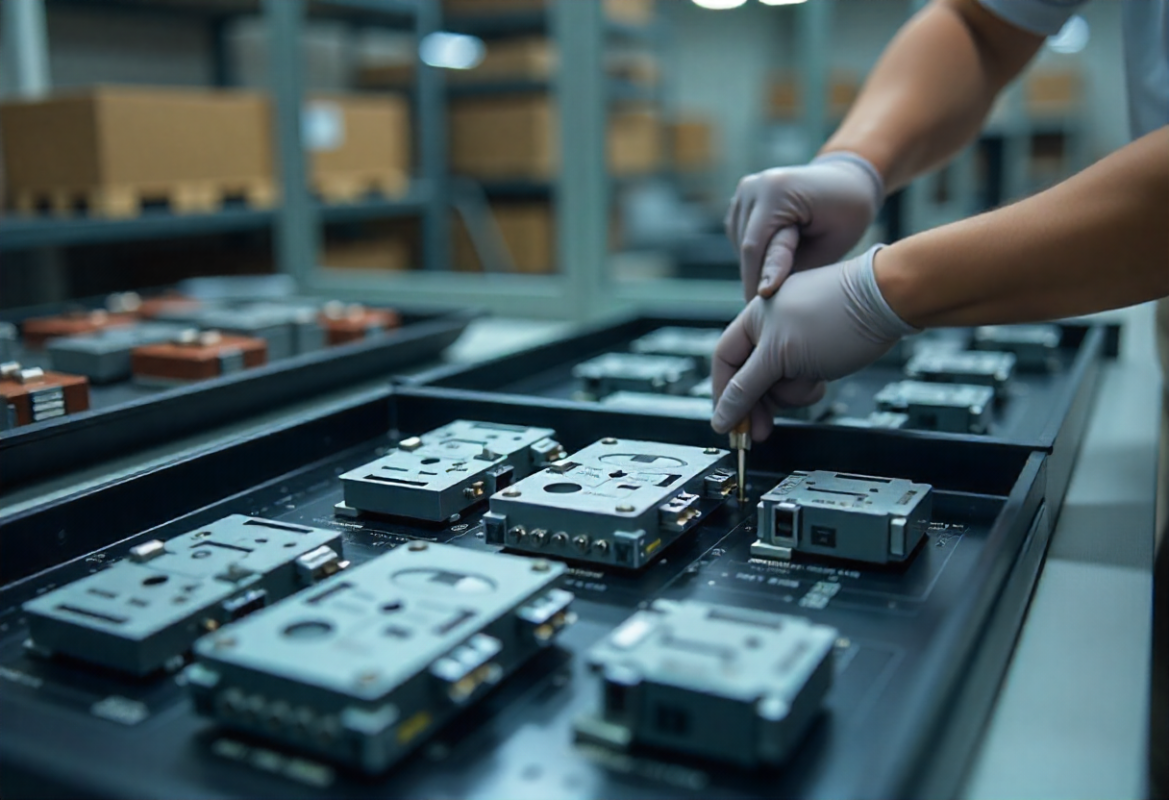
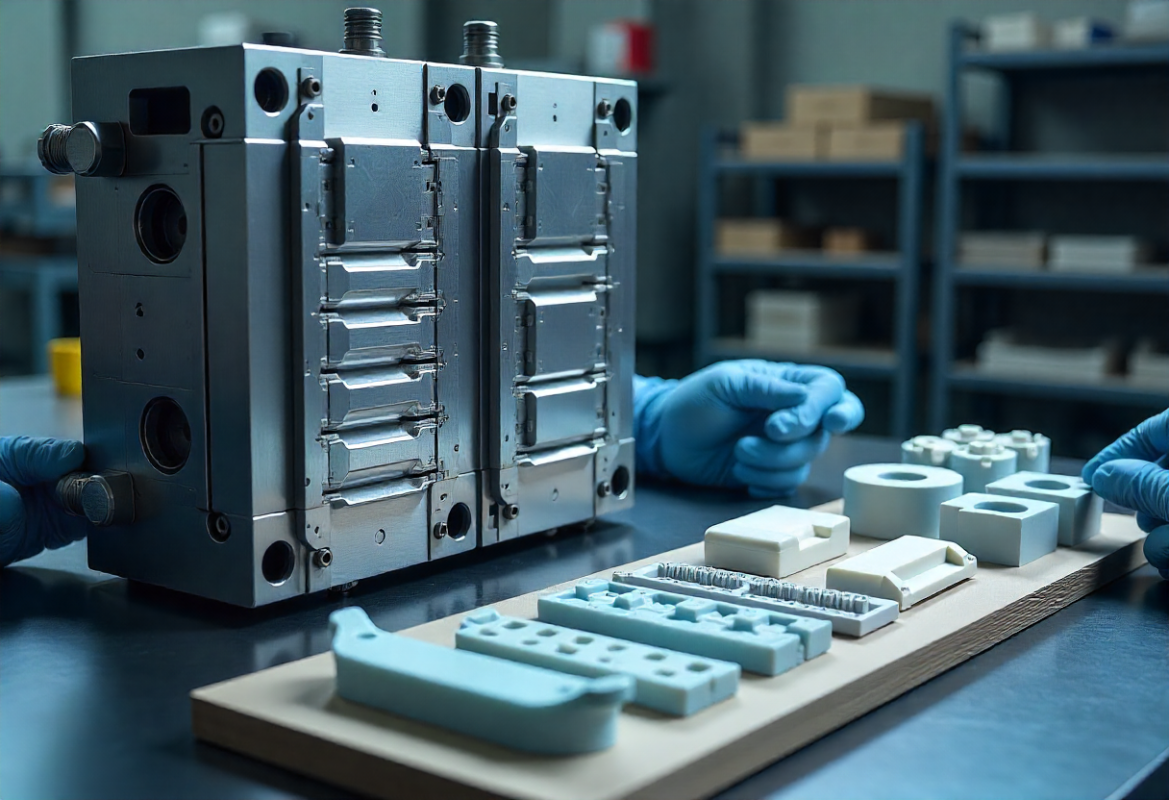
Injection Molds — Prototype & Production
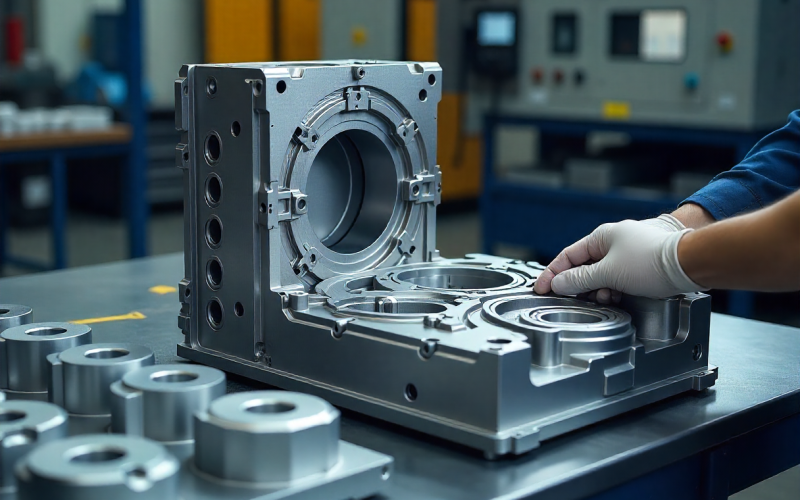
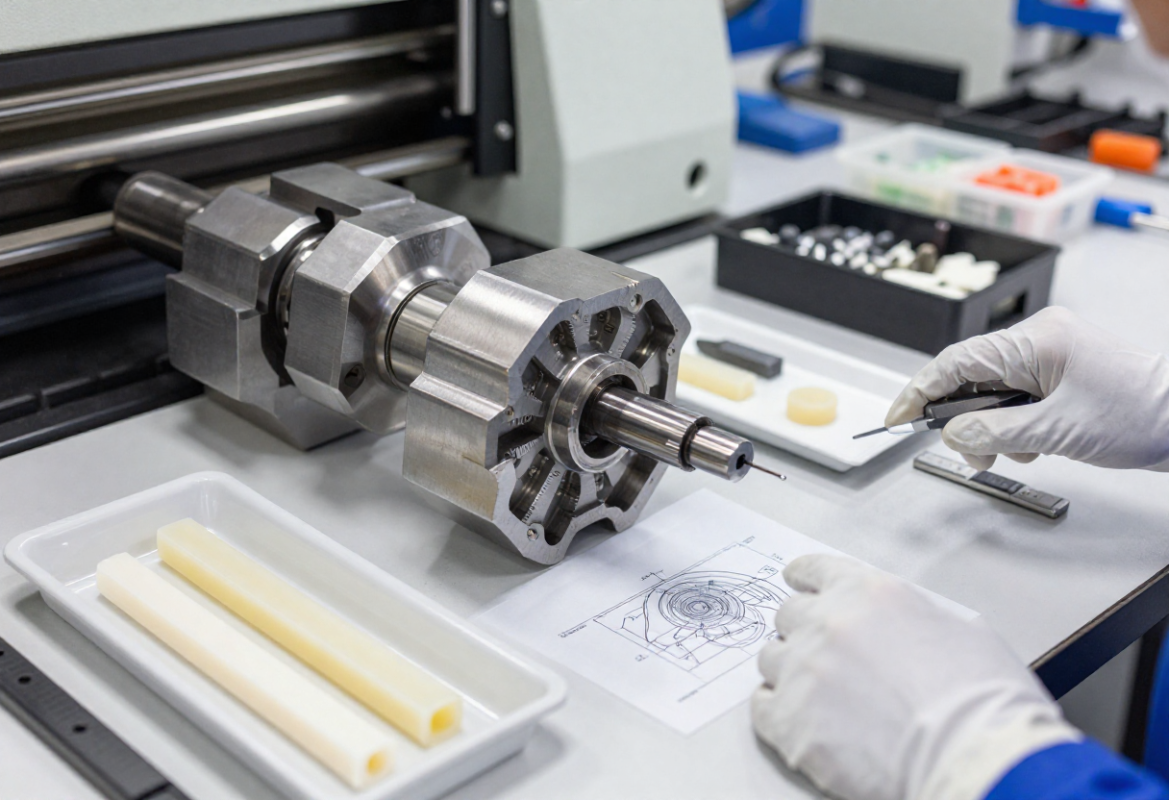
Die Casting Dies — Aluminum & Zinc
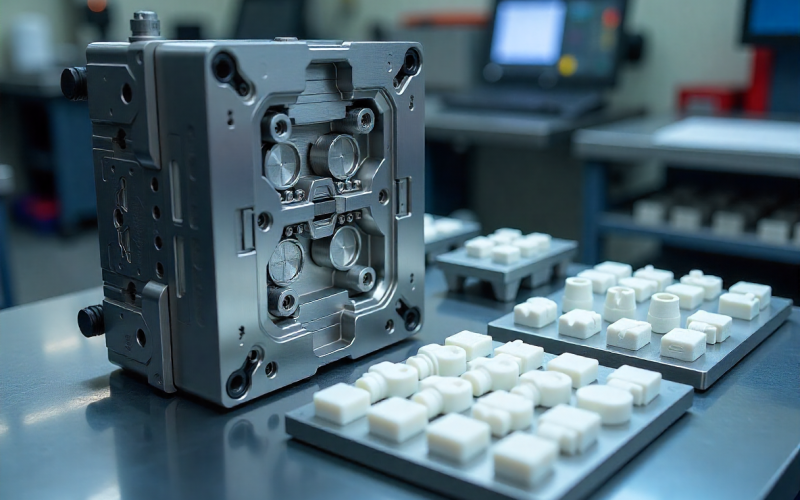
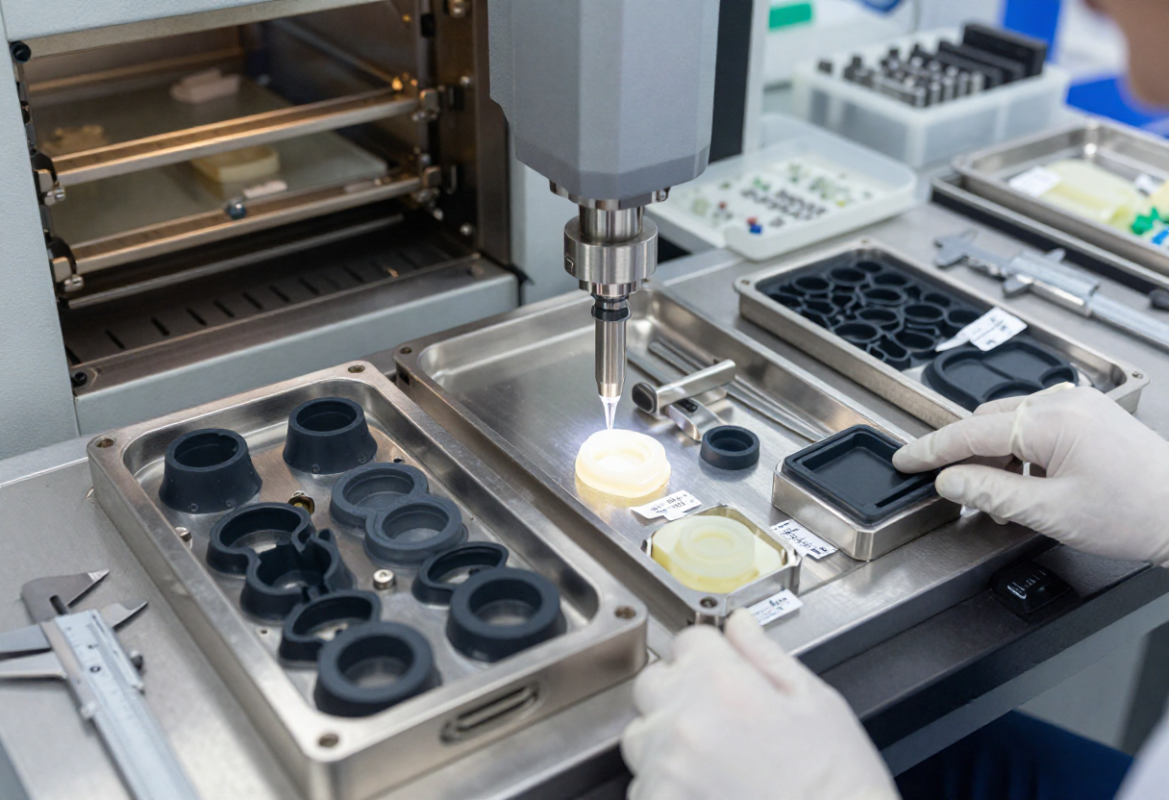
LSR & Rubber Molds
Injection Mold Capabilities
Key features
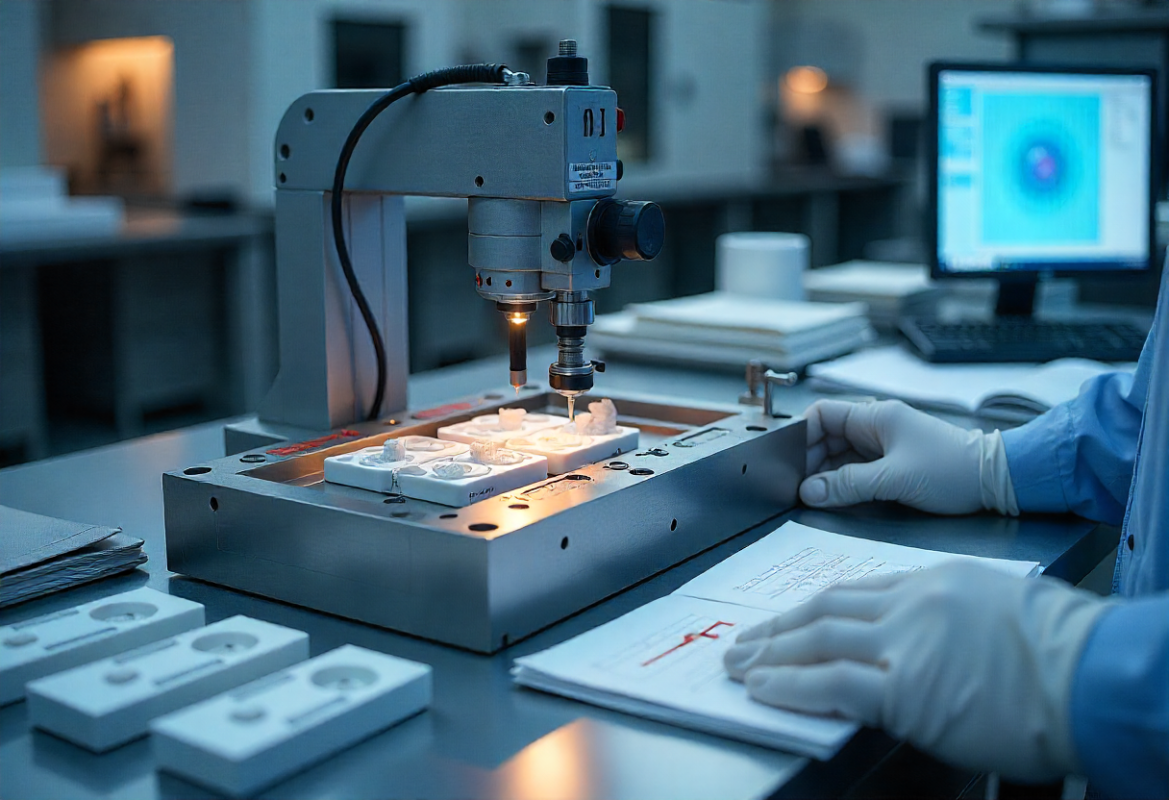
Tryout & validation
Die Casting Die Capabilities (Aluminum / Zinc)
Process & tooling features
Rubber & LSR Mold Capabilities
Highlights
- Metering and shot traceability for LSR process control
- Insert & overmold capabilities combining elastomer with rigid substrates
- Cleanroom molding readiness and medical‑grade tooling options
Extrusion Die Design & Tooling
Capabilities
- Co‑extrusion for multi‑durometer or bonded profiles
- Die maintenance programs and spare landings
- Cut‑to‑length automation and downstream machining integration
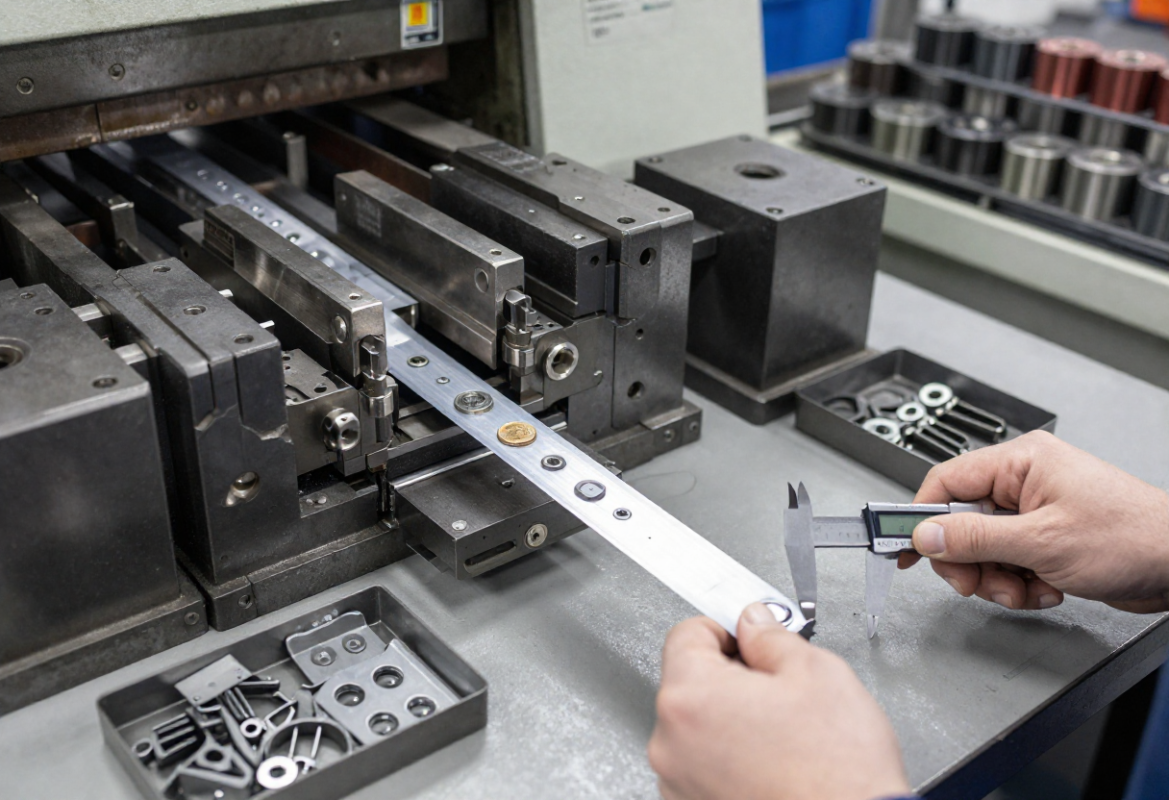
Progressive & Transfer Stamping Tooling
Engineering focus
- Strip & blank optimization, material utilization
- Progressive station design to balance forming and reduce scrap
- In‑die quality checks and automated ejection systems
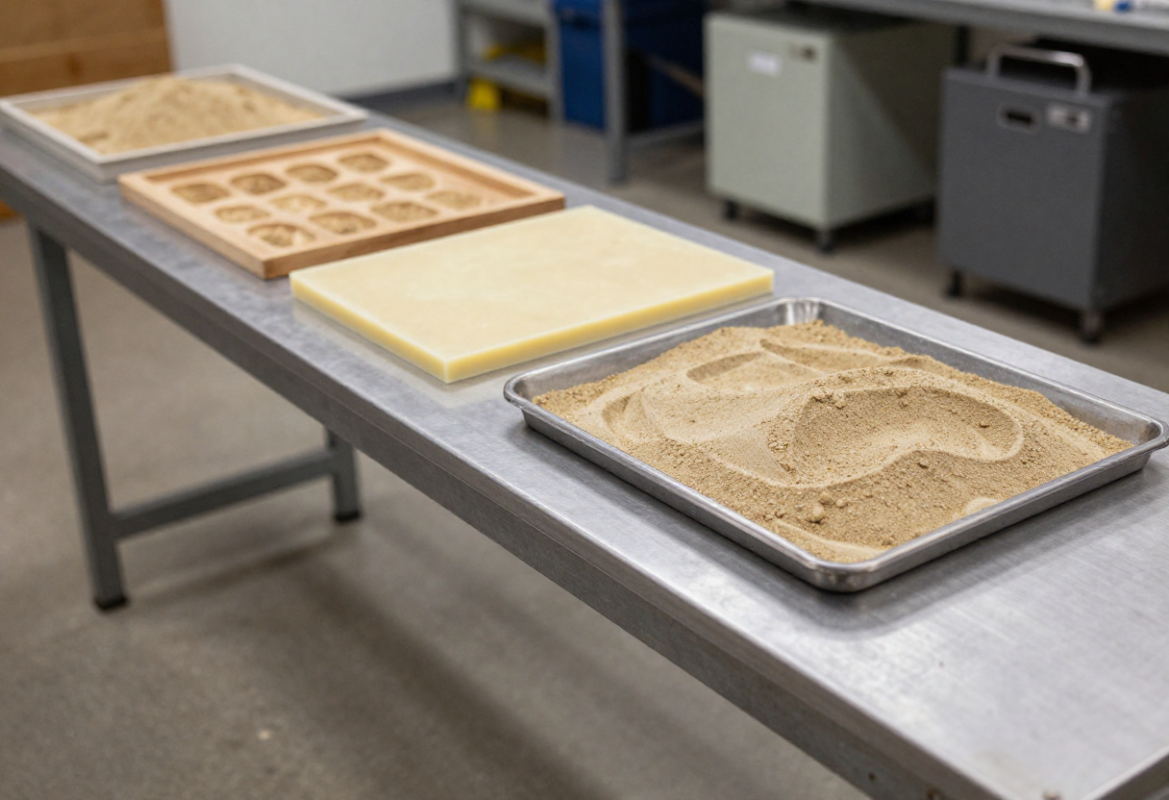
Casting Patterns & Forging Dies
Additions
- Investment & sand pattern fabrication with rapid prototyping
- Forging die flow and flash trimming plan with heat treatment post‑process
- NDT readiness (CT/X‑ray and ultrasonic) for critical castings
Jigs, Fixtures & Welding / FSW / Laser Fixtures
Typical features
- Quick change pallets, locator pins and datum references
- Integrated temperature or pressure sensors for process monitoring
- Robotic end‑effector interfaces and safety interlocks
Tool Life, Maintenance & Repairs

Preventative maintenance
Regular dimensional checks, coolant channel cleaning, polish cycles and functional run checks recorded in tooling logs and recommended PM intervals tied to shot counts
Repair & refurbishment
EDM, welding rebuilds, recoating (TiCN/TiN), re‑hardening and resurfacing to restore tool functionality and extend lifecycle.
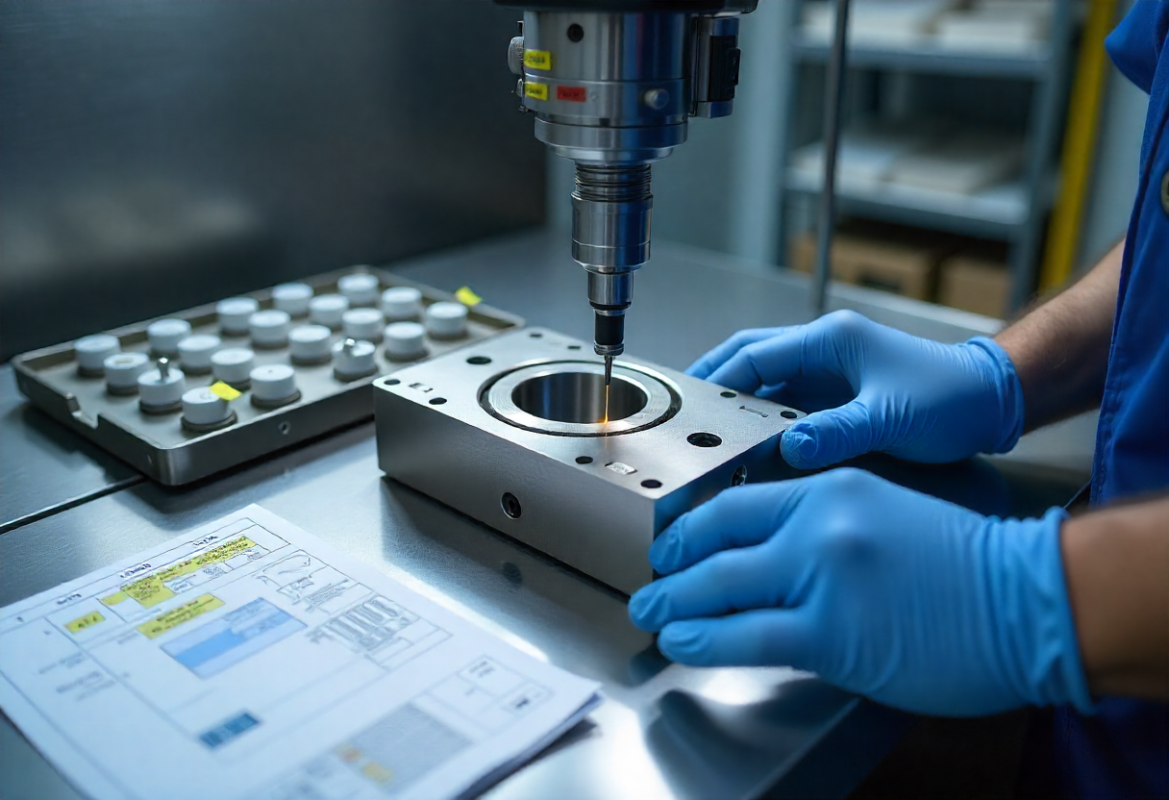
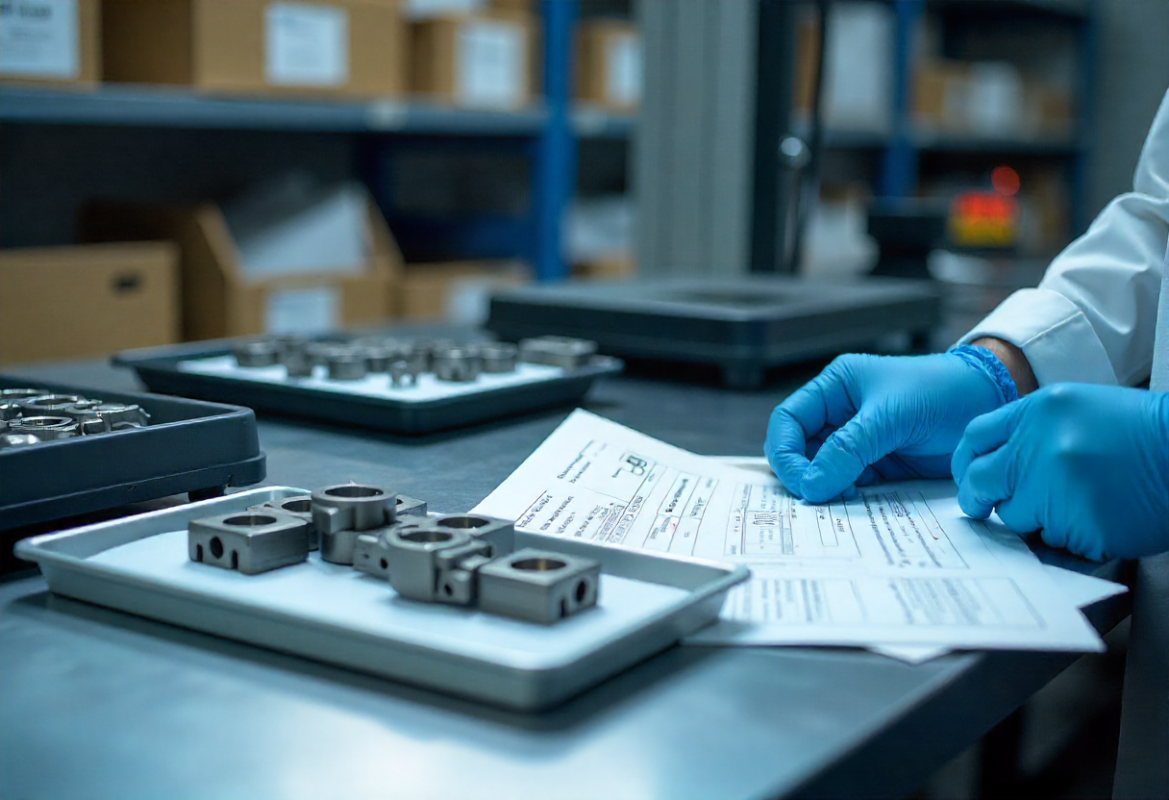
Tryout, First Article & Quality Gates
Typical tryout deliverables
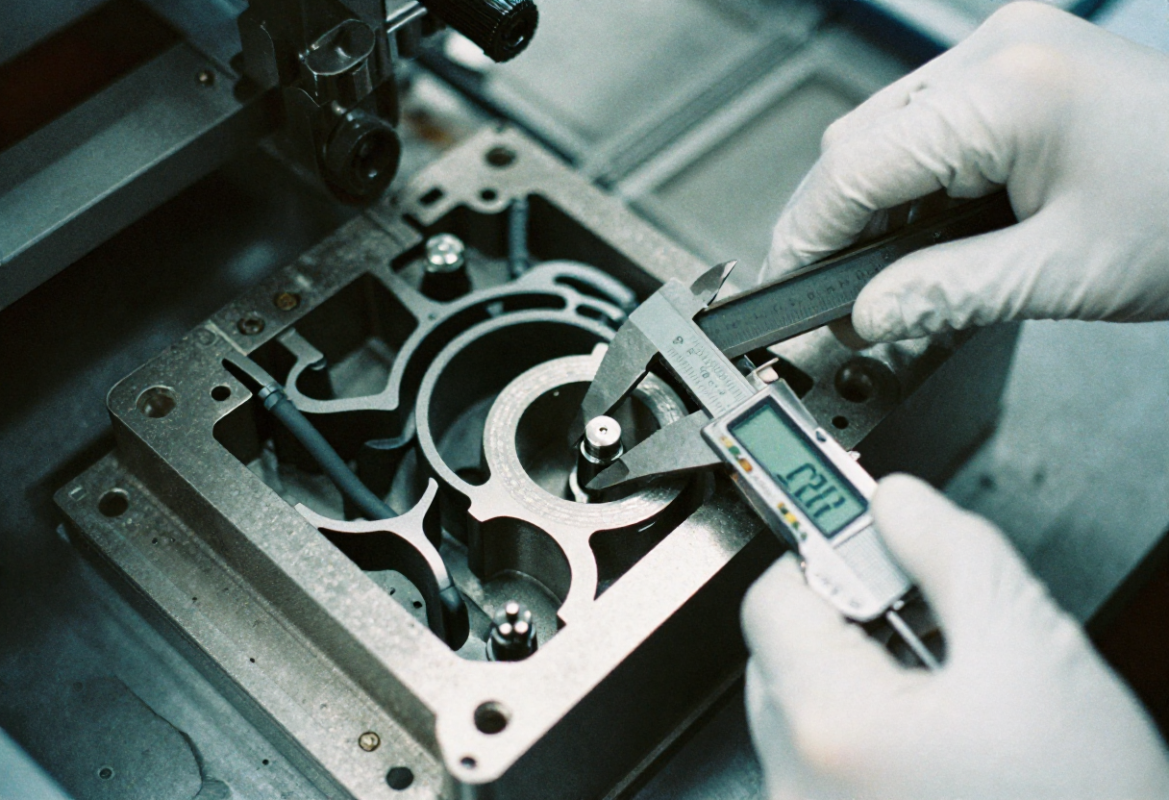
- FAI report with dimensional CMM data
- Sample gallery and surface finish verification
- Process window and initial SPC plan
- Tool acceptance checklist and maintenance recommendations
Tool Materials & Surface Treatments
Standard tool steels (P20, H13, S7) are selected per application with nitriding or cryo treatments where beneficial. Surface coatings (TiN, TiCN) and nickel plating for cooling passages increase wear resistance and corrosion protection. We specify treatments based on run rates, abrasive plastics and environmental exposure.
P20
General purpose, pre‑hardened steels for injection mold bases
H13
Hot work steel for core/cavity demanding thermal cycles
S7
Shock resistant tool steel for progressive dies and impact work
Coatings
TiN/TiCN, DLC, nickel plating for channels and wear surfaces
Quality, Testing & Inspection
Regulatory & traceability
Finishing, Decoration & Assembly
Packaging & global fulfillment
Tooling Cost Models & Amortization
| Tool Type | Typical Tool Cost | Shot Life / Notes |
|---|---|---|
| Aluminum prototype mold | Low (USD thousands) | Quick turn; limited life; best for validation |
| Hardened steel injection mold | Medium–High (USD tens to hundreds of thousands) | High shot life; suited for long runs & multi-cavity |
| Die casting die | High (USD tens to hundreds of thousands) | Requires service; vacuum options increase cost |
| Progressive stamping die | High (USD tens to hundreds of thousands) | Optimized for millions of parts/year |