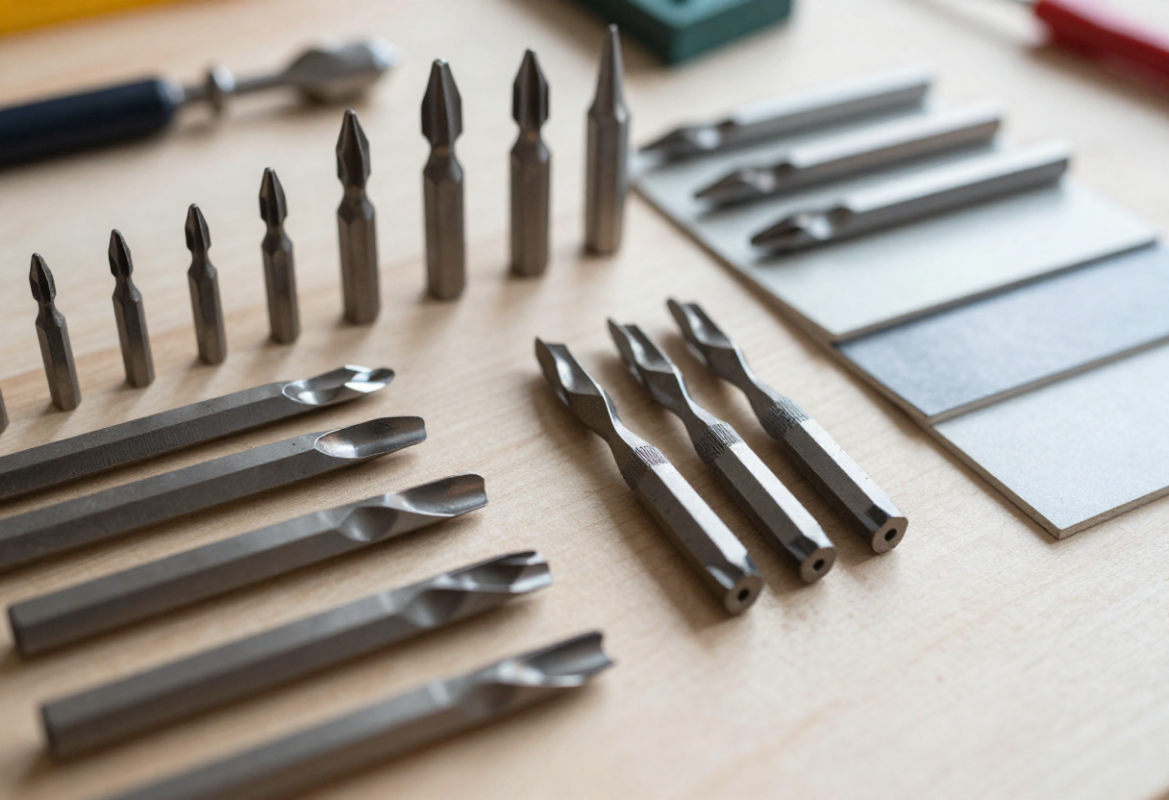
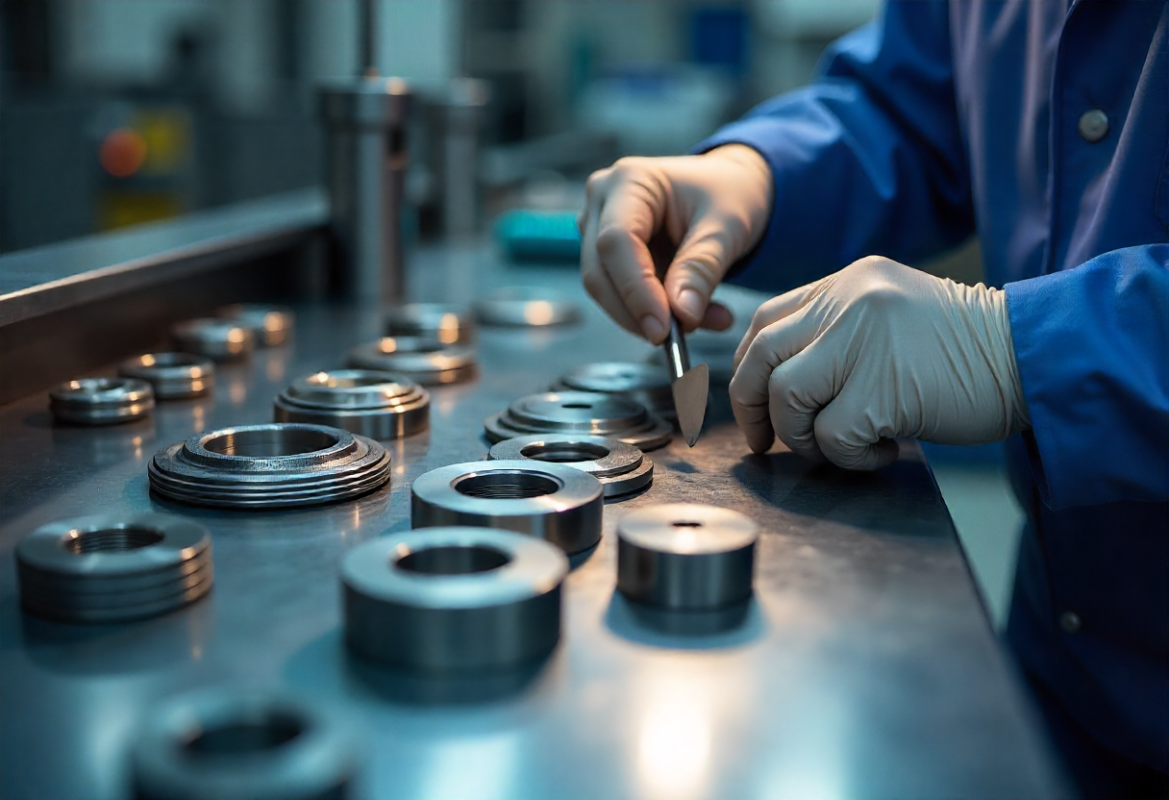
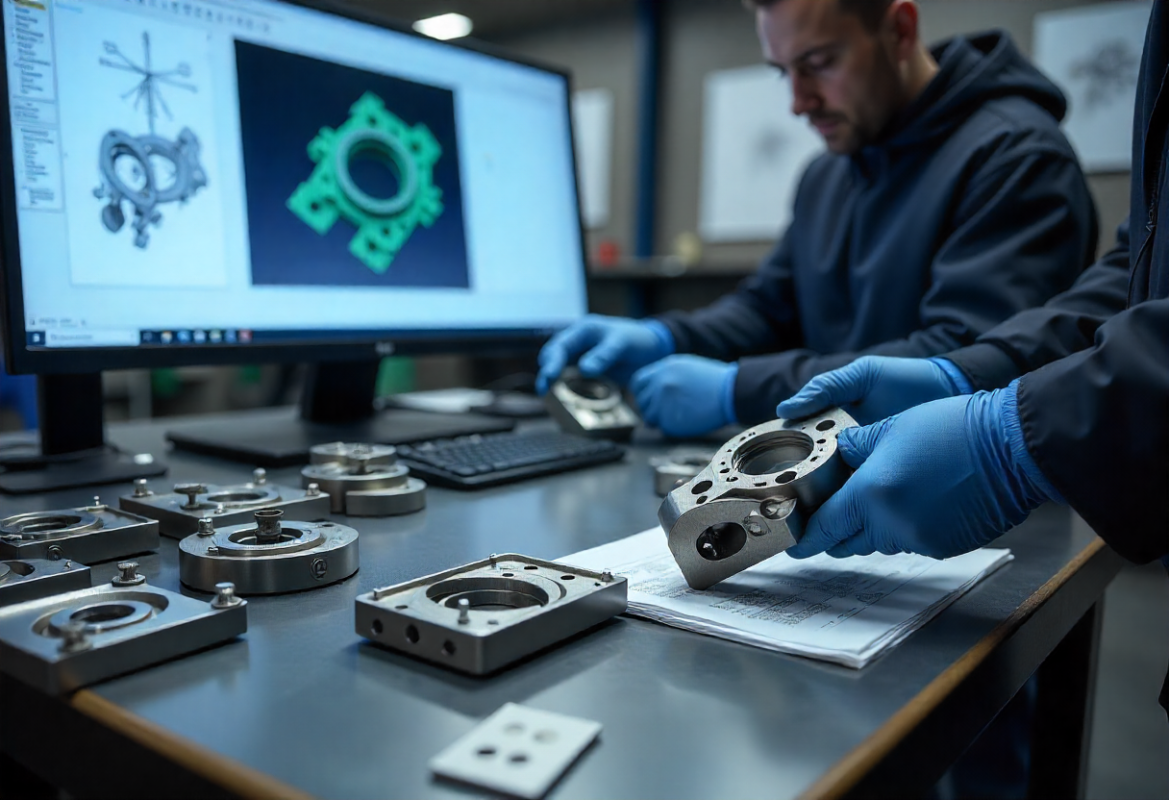
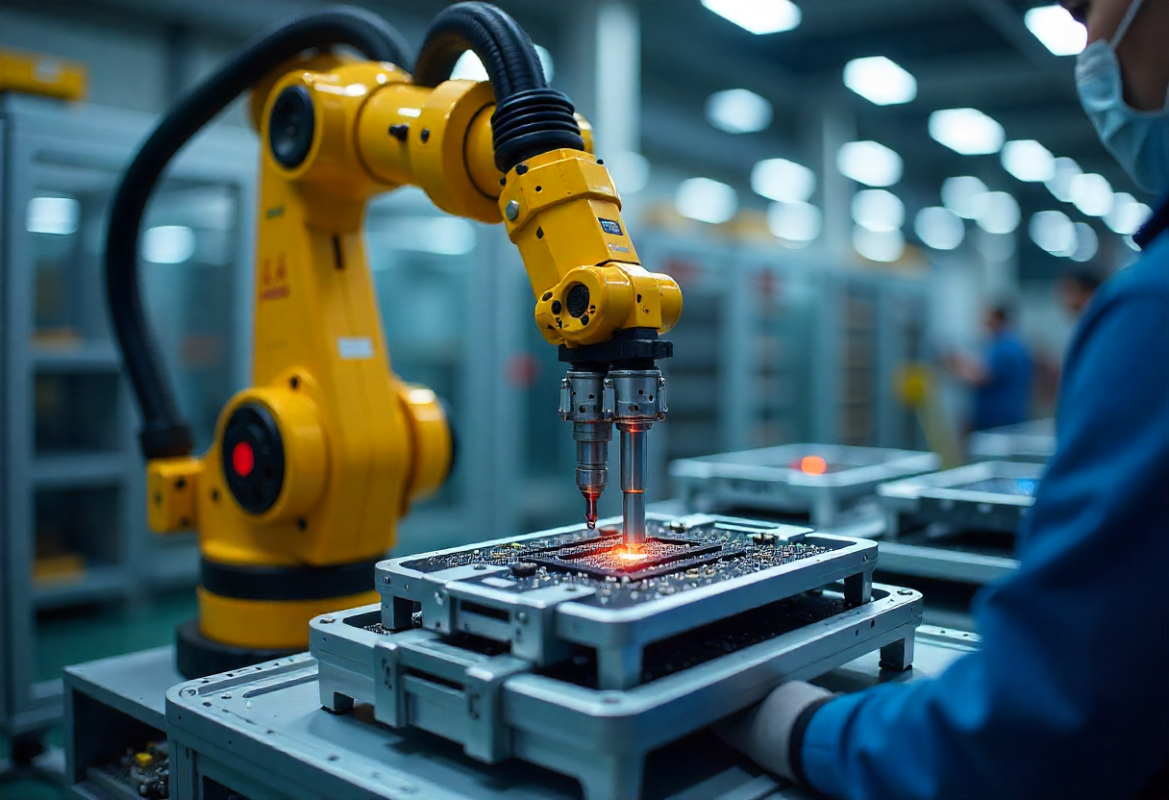
We provide end‑to‑end CNC services from prototype components to high‑volume production: multi‑axis milling, precision turning, live‑tooling, micro‑machining, and automated lights‑out cells. Our engineering team optimizes fixtures, cutting strategies and materials to meet dimensional tolerances, surface finish and cycle‑time objectives.
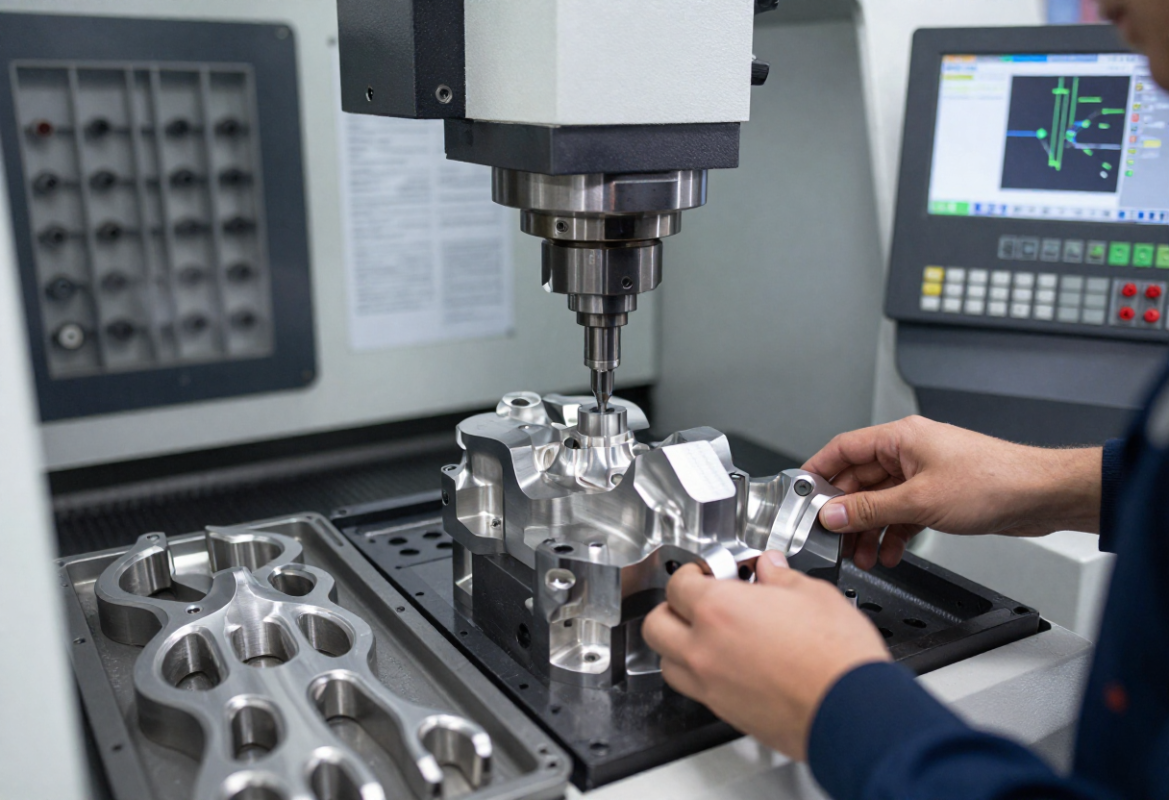
Simultaneous 5‑axis machining for complex surfaces, undercuts and single‑setup finishes that reduce secondary ops and tighten datums.
Precision Turning & Mill‑Turn Centers
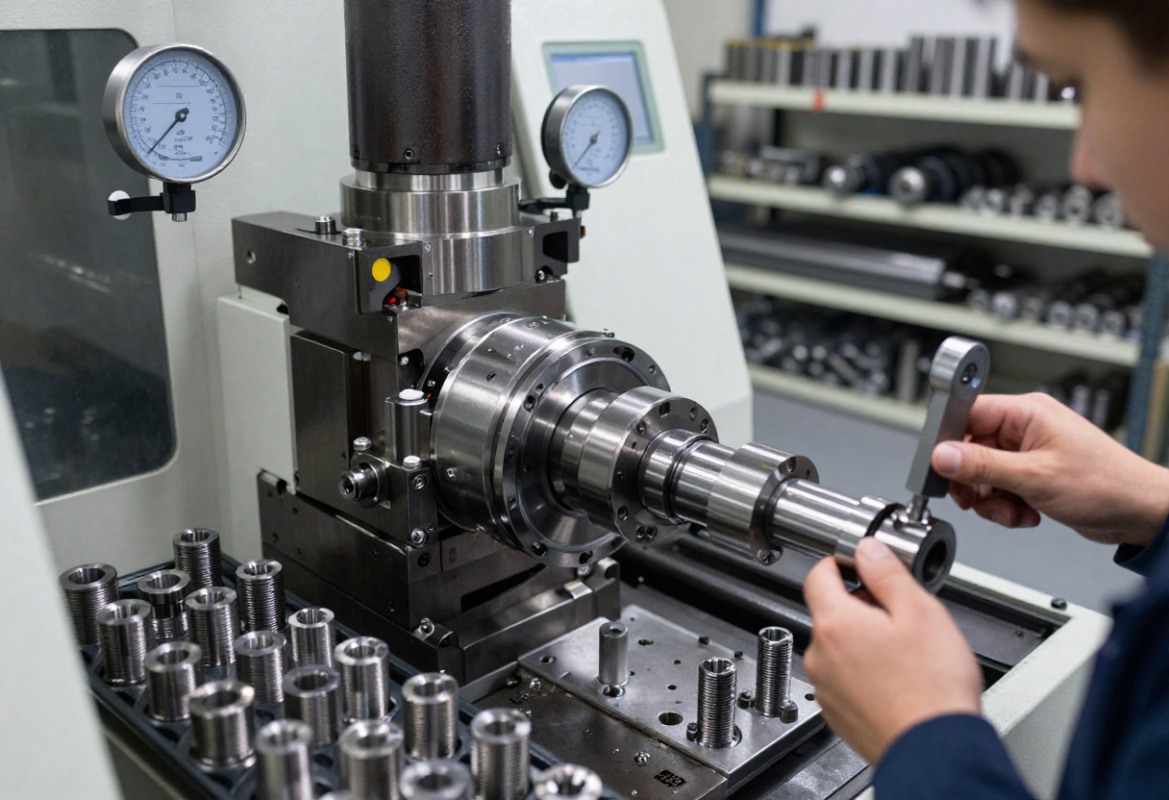
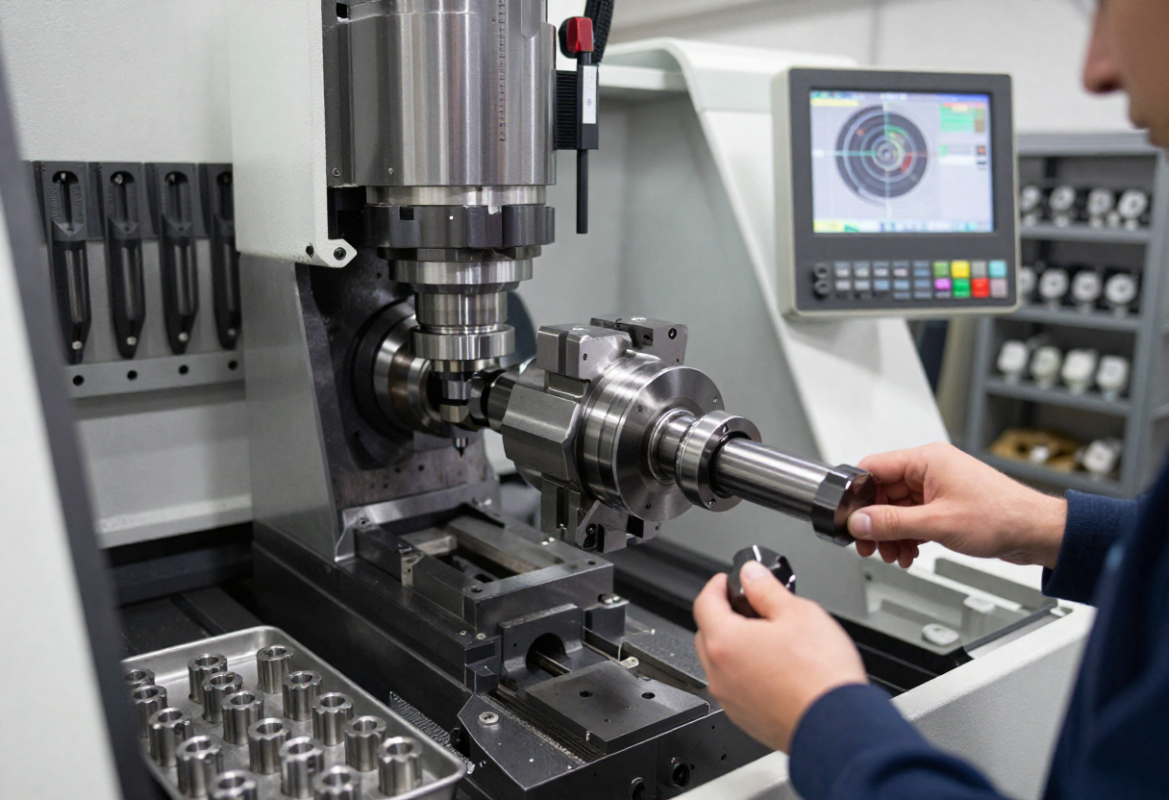
Multi‑spindle and mill‑turn centers with live tooling for combined milling/turning in one clamping — reduces cycle time and improves concentricity.
Automation & Lights‑Out Production
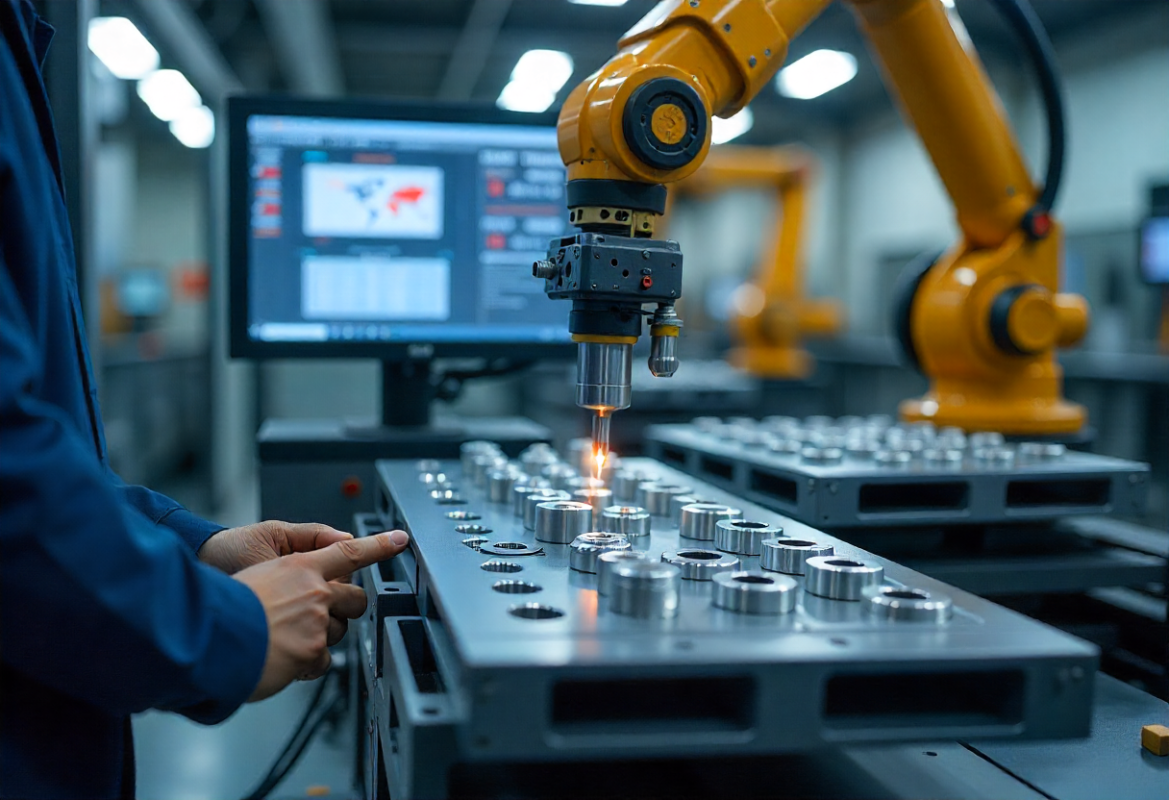
Palletized fixtures, robotic load/unload, bar‑feed systems and cell supervision for high throughput and consistent quality on large runs.
CNC Capabilities
Multi‑Axis Milling
3, 4 and 5‑axis machining for sculpted surfaces, plunge milling and efficient toolpaths for complex parts.
Precision Turning
2‑ and multi‑spindle turning centers with live tooling, sub‑spindle and bar feed for high volume and complex turned features.
Mill‑Turn & Hybrid
Complete mill‑turn cellular machining to reduce setups and improve concentric tolerances.
High‑Speed & Micro‑Machining
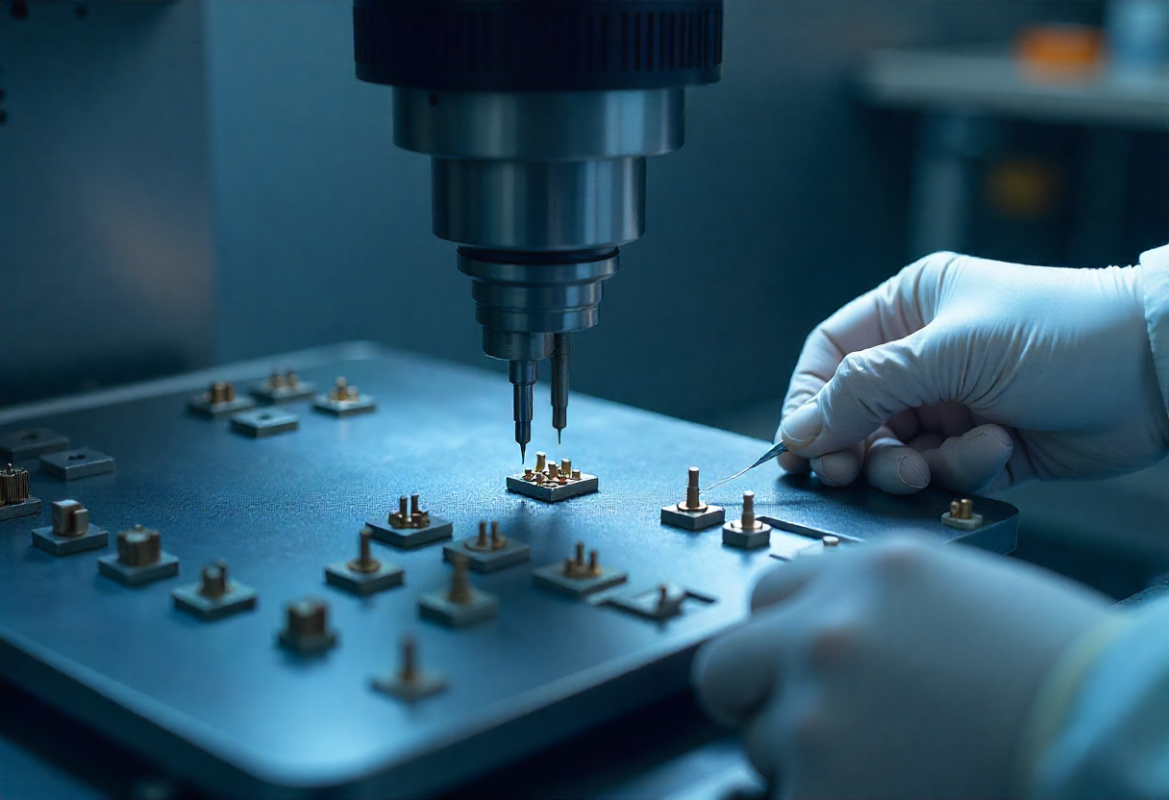
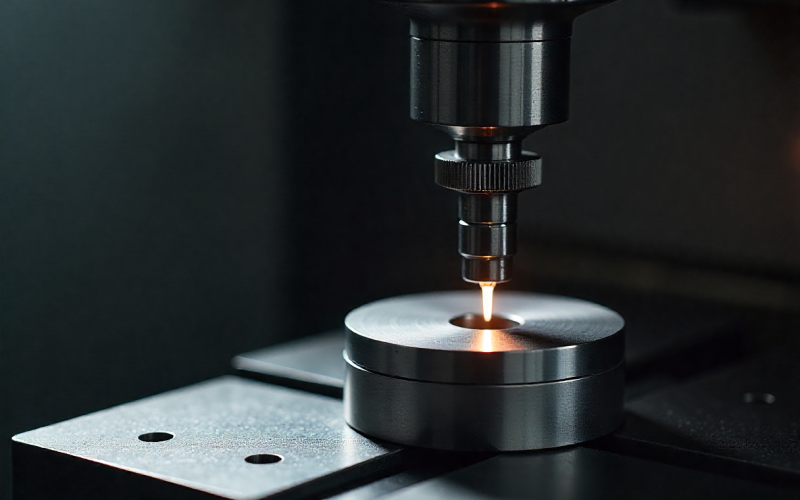
High RPM spindles and small‑tool strategies for micro features and fine finishes.
Materials
Aluminum, stainless, steels, copper/brass, titanium, plastics (POM, PEEK), and exotic alloys with specialized tooling.
Surface & Secondary Ops
Surface finishing, deburring, anodize prep, plating fixtures and post‑machine inspection.
Engineering, Fixturing & DFM for Machining
We review parts for machinability, define clamping and fixture strategies, propose feature simplifications and recommend run‑to‑tool strategies to minimize cost. Early DFM reduces cycle time, tool wear and secondary operations.
Common DFM recommendations
Consolidate features into fewer setups using multi‑axis machining when possible
Specify fillets where possible — tiny internal radii multiply tool time
Design datums for stable fixturing and add sacrificial zones for threaded holes
Avoid excessive thin walls — add ribs or increase thickness for rigidity
Automation, Robotics & Digital Manufacturing
We design automation into production solutions: robotic load/unload, vision alignment, automated inspection, palletized quick‑change systems and MES integration. Digital manufacturing tools (MES, SPC, OEE dashboards) provide traceability, per‑unit records and predictive maintenance triggers for tooling and equipment.
Typical integrations
Robot cells with vision guided part placement and torque/force feedback
Automated test fixtures for ICT/FCT and burn‑in racks
MES connectivity for serialized traceability and lot reporting
Tolerances, Surface Finish & Materials Guidance
Tolerances depend on feature, material and process. We provide achievable tolerance bands after review and will produce capability studies for critical dims.
Achievable via cutting parameters and finishing passes
Metrology & Quality Assurance
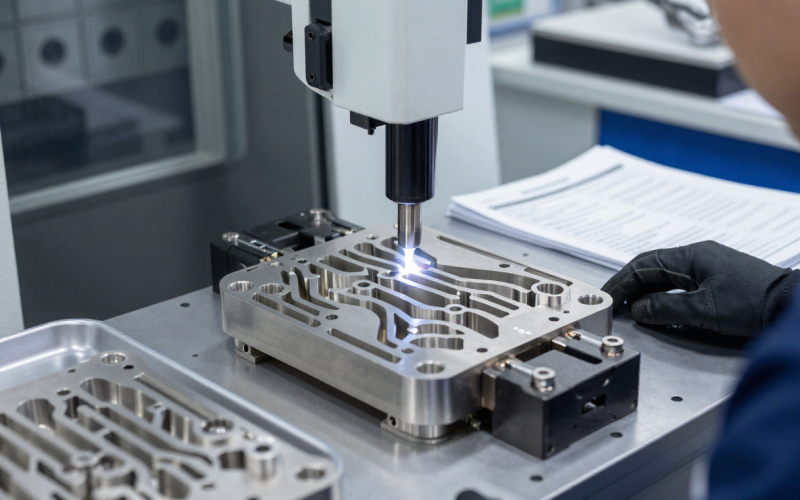
We integrate in‑process inspection and final verification with CMM, optical scanning and contact gauging. Capability studies (Cp/Cpk) are performed during pilot runs and sample production.
Available metrology
Bridge & portable CMMs, tactile & scanning probes
Optical 3D scanning for freeform geometry
Surface roughness, hardness, and microsectioning for material verification
Quality processes
Incoming material inspection with MTR linkage
First article inspection (FAI), PPAP packages for production release
SPC dashboards and per‑lot inspection reports
Scaling to Volume — Automation & Cell Design
For higher volumes we design palletized fixtures, robotic load/unload, bar feeder turning and multi‑spindle cells to reduce per‑part cost and ensure repeatability. Lights‑out cells allow overnight production and optimized utilization.
Cell features
Quick‑change pallets and kinematic locators for repeatability
Robot integration with vision and force sensors for reliable handoffs
Bar‑feed and multi‑spindle turning for continuous high throughput
Materials & Cutting Tool Strategies
Tooling strategy is matched to material: coated carbide for steels and stainless, PCD/PCBN for high‑volume aluminium or abrasive composites, special coolants for titanium and nickel alloys, and optimized feed/speed for plastics to avoid melting.
Practical initiatives
Aluminum
High speeds, light finishes, carbide tools with Al‑specific coatings.
Aluminum
High speeds, light finishes, carbide tools with Al‑specific coatings.
Aluminum
High speeds, light finishes, carbide tools with Al‑specific coatings.
Capacity, Lead Times & Scalability
Lead times vary by process, complexity and tooling. Rapid prototypes can be delivered in days; prototype tooling 1–4 weeks; production tooling 6–20+ weeks. We scale using automated lines, multi‑shift operations and partner networks to meet high volume demands while maintaining quality.
Process
Typical Lead Time
Notes
Prototypes (3D / CNC)
Days – 2 weeks
Quick form/fit validation
Prototype tooling (aluminum)
1–4 weeks
Low shot life for validation
Production tooling (molds/dies)
6–20+ weeks
Depends on complexity & heat treat
Electronics build & test
4–12 weeks (NPI)
PCB lead time critical path
Representative CNC Projects
High‑Precision Cold Plate
5‑axis milled cold plate with tight sealing datums, post‑CMM inspection and FSW weld fixture integration for thermal module assembly.
Mill‑Turn Automotive Connector
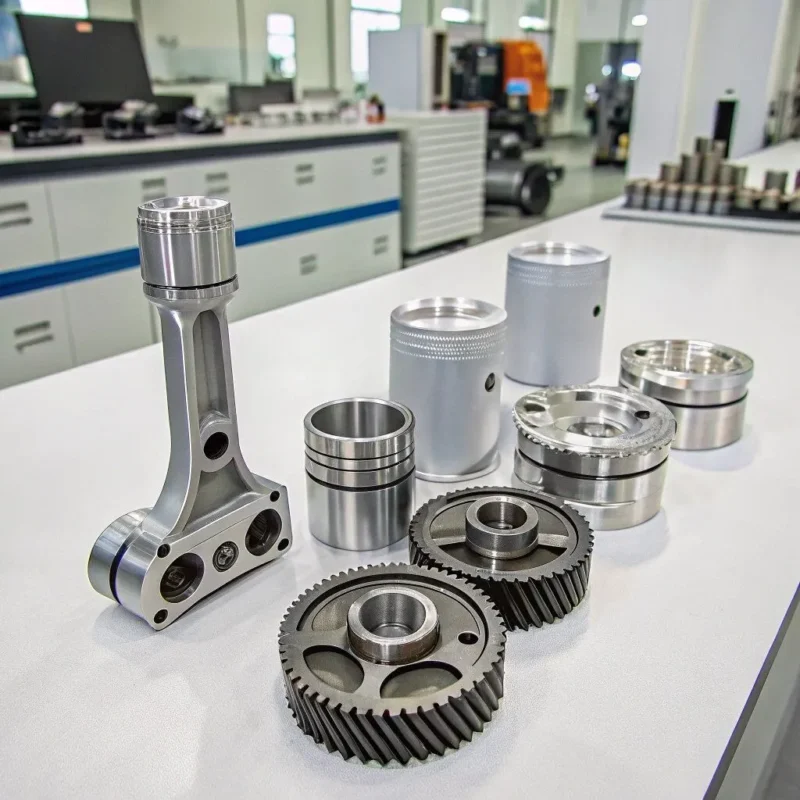
Complex turned and milled connector with integrated threading and plating allowance — produced on mill‑turn cell with Cpk studies for critical concentricity.
Frequently Asked Questions
What file formats do you accept for quoting and CAM?
How do you minimize thermal distortion for tight datums?
Can you machine very small parts or micro features?
Yes — we have micro‑machining capabilities (small tool diameters, high RPM) and specialized fixturing to handle small, delicate parts.
Do you handle material procurement and MTRs?
Yes — we procure material per spec and provide Material Test Reports (MTR) and lot traceability as required for regulated industries.
How do you minimize thermal distortion for tight datums?
We use stress‑relief, chilled fixtures, balanced machining strategies, and in‑process probing to control thermal effects and maintain datums within tolerance.
Get a CNC Quote
Upload your CAD, specify material and target volume. We’ll return manufacturability feedback, suggested fixturing, cycle estimates and a quote — typically within 24 business hours.